Textile
What are "Abrasive Fabrics" - Definition & Explanation
Last Updated on: 23-Oct-2024 (1 year, 6 months, 10 days ago)
Help Us Grow

Abrasive Fabrics: Enhancing Industrial Polishing with Durable Cotton Solutions


abrasive-fabrics
abrasive-fabrics-1
abrasive-fabrics-2

Abrasive Fabrics: Essential Textiles for Industrial Polishing Applications

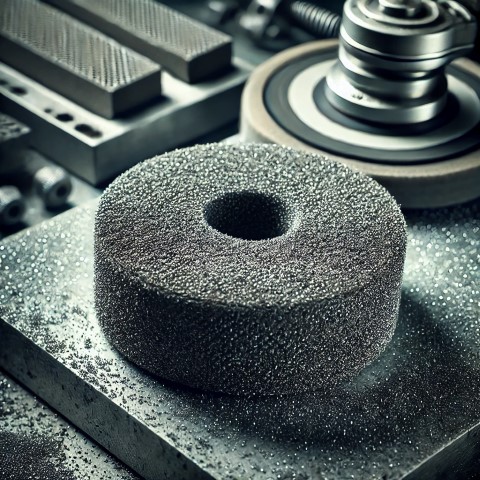
Abrasive fabrics are specialized textiles employed in industrial polishing processes to refine, smooth, or finish surfaces. These fabrics serve as backing materials for abrasive agents like emery, carborundum, or silicon carbide, which are applied to their surfaces to create highly functional tools. Their application spans across multiple industries, such as metalworking, automotive production, and furniture manufacturing, where precise polishing and surface refinement are critical.

Typically, these fabrics are produced using durable cotton textiles like sheetings, drills, and twills. Each type of fabric offers a unique combination of strength, flexibility, and compatibility with the abrasive agents used. The purpose of the abrasive fabric is to act as a stable base for the abrasive grit, enabling efficient mechanical polishing. Beyond polishing metals, these fabrics find use in the sanding of wood surfaces, shaping of plastics, and fine-tuning delicate surfaces like ceramics and glass. The ability to balance abrasiveness and structural integrity makes these fabrics invaluable in manufacturing and finishing processes.

Types of Abrasive Fabrics Used in Industry

Abrasive fabrics can vary based on their weave patterns, material composition, and intended use. Below is a detailed exploration of the most common types employed in industrial applications.

  1. Cotton Sheeting Fabrics
    1. Description: Sheeting fabrics are plain-woven cotton textiles known for their smooth surface and ability to absorb abrasive coatings evenly.
    2. Uses: These are commonly used as backings for general-purpose abrasive applications, including fine metal polishing and light sanding tasks.
    3. Advantages: Sheeting offers good flexibility and coverage, making it suitable for surfaces that require both precision and consistency.
  2. Drills for Heavy-Duty Abrasive Applications
    1. Description: Drill fabrics are tightly woven cotton textiles with a diagonal weave pattern that adds durability and strength.
    2. Uses: Drills are typically employed in high-tension polishing tasks, such as grinding metal edges or heavy sanding of wood.
    3. Advantages: Their tensile strength makes them ideal for abrasive tools used on industrial machines that operate under intense friction and pressure.
  3. Twill Fabrics for Precision Work
    1. Description: Twill fabrics, with their distinctive diagonal weave, offer both durability and softness.
    2. Uses: These fabrics are preferred in precision polishing tasks, such as the fine sanding of ceramics or polishing fragile surfaces that require a delicate touch.
    3. Advantages: Twill’s smooth texture helps reduce scratches on sensitive surfaces while maintaining effective abrasion.

Production Process of Abrasive Fabrics

The manufacturing of abrasive fabrics involves a series of specialized steps to ensure the grit adheres firmly to the textile surface.

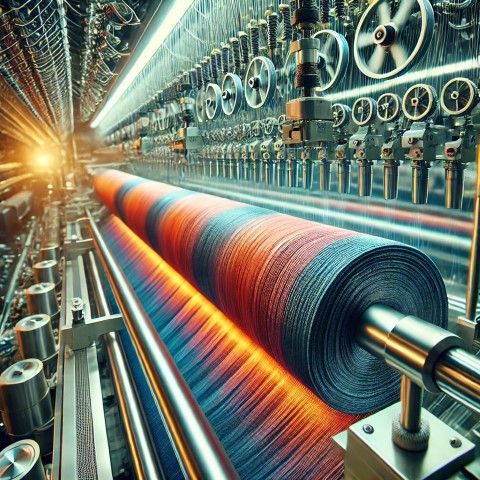
  1. Weaving the Fabric: The base textile, such as cotton sheeting or drill, is woven into the desired structure, ensuring it meets the strength requirements for industrial use.
  2. Applying the Abrasive Agent: Abrasive materials such as emery, carborundum, or aluminum oxide are coated onto the fabric surface using adhesives that can withstand high friction.
  3. Heat Treatment: The coated fabric undergoes a heat treatment process to cure the adhesive, ensuring the abrasive grit remains bonded during use.
  4. Cutting and Shaping: The finished fabric is cut into sheets, rolls, or disks depending on the intended application.

This structured production process ensures that the abrasive fabrics deliver consistent performance even under extreme working conditions.

Applications of Abrasive Fabrics Across Industries

Abrasive fabrics are employed in a variety of industrial and artisanal processes. Below is an exploration of the key industries that rely on these materials.

  1. Metalworking Industry
    1. Application: Used in the polishing and grinding of metal surfaces to achieve smooth finishes or remove imperfections.
    2. Example: Abrasive sheets are used for deburring metal edges after welding or shaping.
  2. 2. Woodworking and Furniture Production
    1. Application: Helps sand wooden surfaces during the preparation and finishing stages of furniture manufacturing.
    2. Example: Twill-backed abrasive sheets are used to smooth out wooden furniture components before varnishing.
  3. Automotive Industry
    1. Application: Employed in the sanding and polishing of vehicle parts during manufacturing and repair.
    2. Example: Drills with carborundum grit are used to polish car bodies before painting.
  4. Ceramics and Glass Polishing
    1. Application: Fine abrasive fabrics are utilized to smooth ceramic and glass surfaces, ensuring precision in delicate applications.
    2. Example: Twill-backed abrasive pads polish intricate glass patterns without causing damage.

Advantages of Abrasive Fabrics for Industrial Use

Abrasive fabrics offer several key benefits that make them a staple in industrial finishing processes:

  • High Durability: The strong textile base ensures long-lasting performance under heavy use.
  • Versatility: Available in various grit levels and fabric types, catering to a wide range of polishing needs.
  • Consistency: These fabrics deliver consistent abrasion across the entire surface, resulting in uniform finishes.
  • Compatibility: Effective with multiple abrasive agents, including emery, aluminum oxide, and silicon carbide.

Handling and Maintenance Tips for Abrasive Fabrics

Proper handling of abrasive fabrics ensures they maintain optimal performance over time. Below are practical tips for their care:

  • Storage: Store abrasive fabrics in dry and cool environments to prevent adhesive degradation and grit detachment.
  • Cleaning: If reusable, remove debris and particles by gently brushing the surface after each use. Avoid water exposure unless explicitly recommended.
  • Inspection: Regularly inspect the fabric for wear and tear, especially in industrial settings where high friction is involved. Replace fabrics that show signs of grit loss or fraying.

Key Manufacturers and Suppliers of Abrasive Fabrics

Several leading manufacturers and suppliers provide high-quality abrasive fabrics to meet the needs of various industries:

  • 3M Company: Known for its abrasive solutions used in metalworking and automotive sectors.
  • Saint-Gobain Abrasives: Offers a wide range of abrasive fabrics designed for both industrial and artisanal applications.
  • Klingspor Abrasives: Specializes in coated abrasives with a focus on precision polishing and sanding tools.
  • Norton Abrasives: Provides solutions for heavy-duty grinding and fine polishing, known for their durability and performance.

Abrasive Fabrics: A Critical Component of Industrial Efficiency

Abrasive fabrics are essential tools in modern manufacturing, ensuring that surfaces are polished to precise standards. Whether in metal finishing, automotive production, woodworking, or glass polishing, these fabrics offer a unique combination of strength, flexibility, and effectiveness. Their role extends beyond industrial processes, influencing product quality and consistency.

The evolution of abrasive fabrics reflects advancements in both textile engineering and industrial technology. As industries continue to demand better finishing solutions, manufacturers are exploring new grit technologies and fabric innovations to enhance performance. The versatility of abrasive fabrics, combined with their ability to meet specialized needs, ensures their continued relevance in diverse industries. In conclusion, these fabrics are an invaluable resource, driving efficiency, precision, and quality across sectors.


— TGA StaffTGAcademy Staff Writer
Abrasive Fabrics
A general term for cotton fabrics used as backings for various abrasive and polishing agents. Usually sheetings and drills are employed extensively and twills in smaller quantities. The fabric is coated on one side with emery carboraundum or other such abrasive grit. These are largely used on industrial machine polishing of metals.

— Kavya IyerKavya Iyer is a textile student with a strong academic background in fiber technology and a growing reputation in the field. Currently pursuing her Master’s in Textile Design, she has already completed internships at several notable design studios, where she worked on developing sustainable fabrics. Kavya's innovative approach to combining natural dyes with modern fabrics has won her accolades, including a prestigious student award for emerging textile designers.

Note: This content is for informational purposes only. Please read our full disclaimer for more details.

Frequently Asked Questions

Abrasive fabrics are typically made from cotton, polyester, or blended textiles to meet varying industrial needs. Cotton fabrics, like twills and drills, provide good flexibility and are favored in lighter polishing applications, especially where smoothness is essential. Polyester fabrics offer higher durability, tensile strength, and resistance to heat, making them ideal for high-pressure tasks such as metal grinding.

Blended fabrics—combinations of cotton and polyester—offer the benefits of both materials, ensuring flexibility without compromising strength. These blends are frequently used in multi-purpose abrasive belts where flexibility, adhesion, and durability are equally required for high-performance sanding and polishing tasks.

The grit size defines the level of abrasiveness, with coarse grits used for aggressive material removal, such as metal grinding. Finer grits, like aluminum oxide, are ideal for smoothing surfaces, including wood and plastics, ensuring precise finishing.

The type of abrasive material also impacts performance. Silicon carbide grits offer sharper cutting abilities and are preferred for polishing hard metals, while emery and zirconia alumina provide long-lasting abrasion. Choosing the right grit ensures the fabric achieves the intended result efficiently​.

Abrasive fabrics are essential in metalworking, automotive, woodworking, and aerospace industries. In metalworking, they are used for deburring metal parts after cutting and polishing welds to smooth surfaces. Automotive industries rely on abrasive belts for sanding body panels before painting, ensuring a flawless finish.

In woodworking, fine abrasive fabrics prepare surfaces by removing roughness and enhancing the grain, especially in furniture-making. Aerospace applications use specialized abrasive pads to polish precision parts, where high performance and smooth finishes are crucial​.

Manufacturers use high-performance adhesives to bond the abrasive grit securely to the backing fabric, ensuring durability under heavy use. Additionally, advanced heat-setting and electrostatic coating processes increase grit adhesion, preventing detachment even during prolonged grinding.

The fabric’s weave also plays a role. Tight weaves in drill and twill fabrics provide enhanced strength, reducing the chance of fraying during intense applications. These production methods help abrasive fabrics maintain functionality in high-friction environments​.

Abrasive fabric provides greater durability and flexibility compared to sandpaper, making it suitable for repetitive use in high-pressure grinding applications. Fabric-backed abrasives can withstand wet environments, while standard sandpaper tends to degrade when exposed to moisture.

Additionally, abrasive fabrics are more adaptable to complex shapes and surfaces, thanks to their flexibility, ensuring even contact during polishing. Sandpaper, in contrast, is limited to lighter tasks, such as fine sanding or finishing coats on wood.

When using abrasive fabrics, workers should wear protective equipment, such as goggles and gloves, to guard against metal shavings and sharp grit particles. In high-friction grinding operations, dust masks are necessary to prevent inhalation of fine particles.

Additionally, it is recommended to regularly inspect abrasive belts and pads for wear and tear. Overused abrasive tools can lose effectiveness, increasing the risk of accidents by causing unexpected friction or slippage during operation.

Abrasive fabrics can be cleaned with brushes to remove debris and dust that accumulate during use, prolonging their life. For wet sanding applications, fabrics should be rinsed and dried properly to prevent adhesive breakdown.

In industrial environments, regular inspections help identify worn-out sections that need replacement, preventing damage to the workpiece. Storing abrasive fabrics in dry, climate-controlled environments also reduces the risk of moisture damage, ensuring consistent performance over time​.

To address sustainability, manufacturers have begun using water-based adhesives and low-emission coating processes, reducing the environmental impact of production. Some companies also focus on producing biodegradable backings to promote eco-friendly disposal of used abrasive materials.

Recycling programs for used abrasive fabrics are also gaining traction. In these programs, spent abrasives are collected, reprocessed, and repurposed, reducing waste and contributing to circular manufacturing models.

Blending polyester and cotton fibers creates a fabric that combines the strength and flexibility of both materials, ensuring long-lasting performance. Polyester fibers offer dimensional stability and heat resistance, while cotton enhances adhesion to abrasive coatings, ensuring the grit stays bonded even under high stress.

These blends are especially useful in applications requiring precise control over surface finishes, such as in polishing aerospace components. The versatility of blended fabrics makes them ideal for multi-purpose abrasive tools, increasing their utility across industries.

Innovations such as ceramic abrasives are transforming the industry, offering longer-lasting performance than traditional materials like aluminum oxide. Additionally, endless abrasive belts are being introduced, allowing seamless operation and reducing downtime in industrial settings.

Digital technology is also making an impact. Some abrasive fabrics now feature integrated sensors to monitor wear and performance, ensuring optimal usage. These advancements are helping industries achieve more efficient and sustainable production processes.

Some more terms:

Tenacity Defined: How Fiber Strength Determines Fabric Durability

Tenacity Defined: How Fiber Strength Determines Fabric Durability

17-May-2024 • by Aisha Bhatia
Textile

Tenacity is a term used in textiles to describe the strength of a fiber. It refers to the ability of a fiber to resist breaking or stretching when it is subjected to tension or stress. In other...

Read about Tenacity
Hopsack Weave: Combining Strength with a Unique Open Texture

Hopsack Weave: Combining Strength with a Unique Open Texture

10-Jun-2024 • by Meera Nair
Textile

Hopsack weave is a type of textile weave that is characterized by its distinctive basket-like texture. It is a simple but versatile weave that is used in a wide range of textile applications,...

Read about Hopsack
Shirttail Hem: Blurring the Line Between Formal and Casual

Shirttail Hem: Blurring the Line Between Formal and Casual

26-Apr-2024 • by Vikram Singh
Textile

Shirttail hem is a type of hemline used in the construction of shirts and blouses, where the front and back hemlines are curved, resembling the shape of a shirttail. The shirttail hem is named so...

Read about Shirttail Hem
Catalysts in Textile Dyeing: Enhancing Color Quality and Efficiency in Fabric Production

Catalysts in Textile Dyeing: Enhancing Color Quality and Efficiency in Fabric Production

05-May-2024 • by Tanya Bhatt
Textile

In the context of textiles, a catalyst refers to a substance or agent that speeds up or facilitates a chemical reaction without being consumed or permanently altered in the process. Catalysts play a...

Read about Catalyst

Add a definition
Add a definition for a textile term that you know about! Send us an email & tell us:
  • The term you want to define
  • Its definition in 500 words or less
  • Attach an image if necessary.
  • Optionally, tell us about yourself in 200 words or less!

Companies for Abrasive fabrics:
If you manufacture, distribute or otherwise deal in Abrasive fabrics, please fill your company details below so that we can list your company for FREE! Send us the following details:
  • Company name
  • Company address
  • Attach a logo, if necessary.
  • Optionally, tell us about yourself in 200 words or less!

Did you know this fact?
Italian textile companies are known for their ability to produce unique and innovative fabrics, often setting new trends in the industry.
(s) TextileGlossary.com Some rights reserved. • SitemapDisclaimer