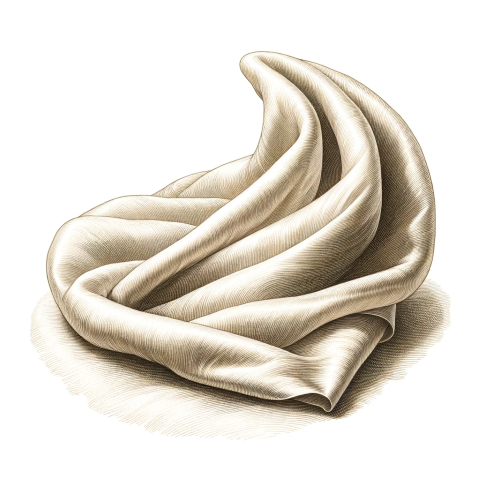
Chinchilla, both an animal and a textile term, holds a particular charm and significance in the world of fashion and fabrics. The term primarily refers to the ultra-soft and dense fur of the chinchilla rodent native to South America but also refers to fabrics designed to mimic these characteristics.
Chinchilla: A Brief HistoryHistorically, the chinchilla has been admired for its fur since the time of the ancient Inca civilization. However, it wasn't until the late 19th and early 20th centuries that chinchilla fur really gained popularity in the fashion world, leading to a boom in chinchilla fur farming. The demand for chinchilla fur also spurred the creation of chinchilla-like textiles made from synthetic materials or other types of fur, providing a more affordable and ethical alternative to genuine chinchilla fur.
- Genuine Chinchilla Fur: This is the fur directly obtained from the chinchilla rodent. It is incredibly soft and dense, with a unique bluish-grey color.
- Faux Chinchilla: This is a type of synthetic fur designed to replicate the look and feel of real chinchilla fur. It is typically made from materials like acrylic and polyester.
- Chinchilla Finish: This refers to other types of textiles, such as cotton or wool, that have been processed to give them a soft, dense feel reminiscent of chinchilla fur.
- Real chinchilla fur requires careful handling and should be stored in a cool, dry place away from heat and light.
- Faux chinchilla and chinchilla finish textiles are typically more durable, but they should still be washed carefully to maintain their texture.
- It's recommended to seek professional cleaning services for chinchilla textiles, especially genuine chinchilla fur.
- Kopenhagen Fur: Denmark's Kopenhagen Fur is renowned as one of the global leaders in fur auctioning, specializing in a vast range of fur types, including chinchilla. The company is recognized for its commitment to animal welfare, working exclusively with certified fur farmers who follow strict regulations. They emphasize transparency, sustainability, and quality in their operations. Kopenhagen Fur is a chief supplier to luxury fashion brands, ensuring that chinchilla fur is ethically sourced and meticulously graded for its superior quality.
- Chanel: As a globally influential fashion brand, Chanel has long included chinchilla fur in its range of luxurious materials. The French brand, founded by Gabrielle Chanel in 1910, has a history of utilizing chinchilla fur in their exquisite haute couture and ready-to-wear collections. The brands use of chinchilla fur underscores its opulence and status, while also stirring controversy in the debate over fur in fashion.
- Neiman Marcus: Neiman Marcus, an upscale American department store founded in 1907, offers a variety of chinchilla fur products. These include luxurious coats, elegant wraps, and accessories. The company caters to a high-end market and is known for its extravagant offerings. While chinchilla is only one part of their extensive product line, it is notable for its ultra-luxurious nature. Their items are sourced from quality suppliers, ensuring a high standard of luxury and craftsmanship.
- Guivier: Guivier, a UK-based fur retailer, is noted for its extensive collection of chinchilla fur items, predominantly coats and jackets. The company has built a reputation for selling high-quality fur products and are respected for their craftsmanship. Each piece is carefully crafted, emphasizing the unique texture and color of chinchilla fur. Guivier continues to be a significant user of chinchilla fur, attesting to the material's enduring popularity in the fashion industry.
- Fendi: An Italian luxury fashion house founded in 1925, Fendi is renowned for its creative use of fur in its collections, with chinchilla being one of the most prestigious materials used. Known for its master furriers and innovative designs, Fendi uses chinchilla fur in various products, including clothing and accessories. Despite facing scrutiny over the use of fur, the brand maintains that their sourcing is ethical and sustainable.
- Clothing: Due to its soft texture and dense hair, chinchilla fur is often utilized in high-end clothing, including coats, jackets, and wraps. Its distinct and luxurious appeal makes it highly sought-after in the fashion industry. The synthetic variant, faux chinchilla, is also a popular choice for clothing items due to its affordability and ethical considerations.
- Accessories: Chinchilla fur is often used in the creation of luxurious accessories, such as hats, scarves, gloves, and even handbags. The distinctive feel and appearance of the fur add a touch of sophistication and elegance to these items. Again, faux chinchilla fur serves as a commonly used alternative for such accessories.
- Home Dcor: In addition to fashion, chinchilla textiles are also applied in home dcor items. Throw pillows, blankets, and even furniture coverings can be crafted from chinchilla fur or its synthetic imitations, bringing a sense of luxury and comfort to interior spaces.
In sum, chinchilla, whether authentic or replicated, continues to captivate with its extraordinary softness and density, adding a touch of luxury and elegance to the world of textiles. Its presence, from the fashion runway to home dcor, testifies to its versatile and enduring appeal. Brands like Kopenhagen Fur, Chanel, Neiman Marcus, Guivier, and Fendi recognize the value of this unique material and continue to employ it in their offerings, albeit amidst ongoing discussions about sustainability and ethics in the use of fur.
Despite the challenges, chinchilla remains a testament to the timeless pursuit of luxury, comfort, and tactile pleasure in textiles. As we look to the future, the lessons from chinchilla's past and present can guide us towards more sustainable and ethical practices without compromising the quality that chinchilla textiles have come to symbolize.
— Kavya IyerKavya Iyer is a textile student with a strong academic background in fiber technology and a growing reputation in the field. Currently pursuing her Master’s in Textile Design, she has already completed internships at several notable design studios, where she worked on developing sustainable fabrics. Kavya's innovative approach to combining natural dyes with modern fabrics has won her accolades, including a prestigious student award for emerging textile designers.

 Share on X