Share on X

Coif: A Comprehensive Exploration of Its Historical and Cultural Significance
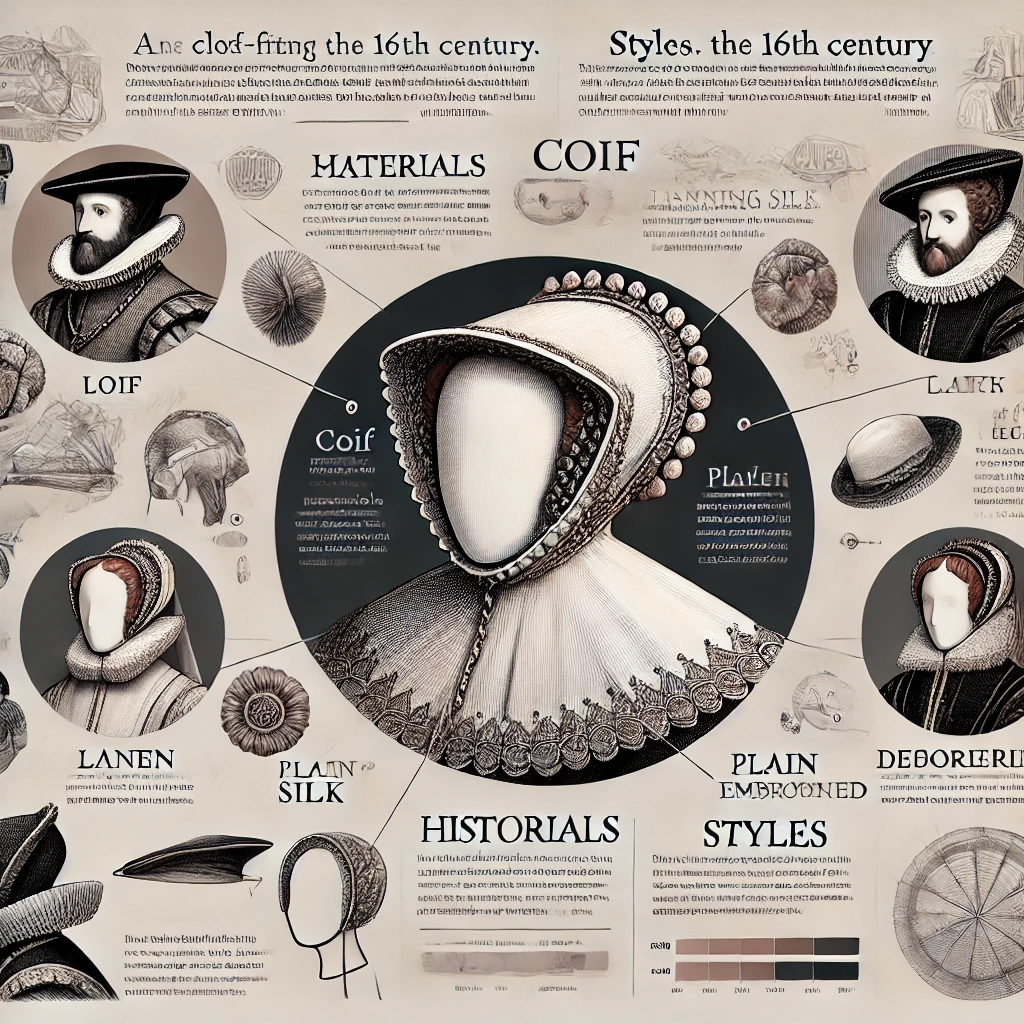
The coif is a closely fitted cap that has been worn by men, women, and children throughout history, particularly during the medieval and early modern periods. Originating in Europe, the coif served both practical and symbolic purposes, offering protection, modesty, and, in some cases, status. This article delves into the history, materials, construction, and cultural significance of the coif, providing an in-depth understanding of this essential historical garment. It also examines its various applications in modern times, from historical reenactments to fashion.
The History of the Coif
The coif has a rich history that spans centuries, evolving from a simple head covering to a fashionable accessory in certain periods.
- Early Use: Coifs first became prominent during the Middle Ages (5th to 15th centuries) as a practical head covering for both men and women.
- 16th Century: By the Tudor and Elizabethan periods, coifs became more elaborate, often embroidered with intricate patterns and worn as a status symbol by wealthy women.
- Military Use: Coifs were also worn under helmets by knights and soldiers to provide extra padding and protection during battles, further highlighting their versatility.
- Religious Symbolism: In some religious communities, the coif symbolized modesty and piety, particularly among nuns and monks.
Materials and Construction of the Coif
The materials used to create coifs varied according to the wearer's social class and the garment's intended purpose. Coifs were constructed to be durable and comfortable, providing protection against the elements while remaining functional.
- Linen: The most common material for coifs, linen was prized for its breathability and comfort. Linen coifs were particularly popular among lower and middle-class individuals.
- Silk: Wealthy individuals often wore coifs made from luxurious fabrics such as silk, which were frequently embroidered with gold or silver thread.
- Wool: Wool coifs were commonly worn by soldiers as an underlayer beneath their helmets to provide warmth and cushioning.
- Leather: In certain military contexts, leather coifs were used for additional protection, particularly in early forms of combat.
Construction Methods:
- Simple Patterns: Coifs were often constructed from two to three pieces of fabric, sewn together to fit the shape of the head snugly.
- Embroidery and Embellishments: Higher-status coifs featured elaborate embroidery, including floral designs, initials, and symbols denoting the wearer’s family or status.
Styles and Variations of the Coif
Throughout history, the coif has been adapted into various styles, each with distinct cultural or practical significance.
- Plain Linen Coifs
- Description: Basic, undecorated coifs were worn by peasants, artisans, and children. They offered protection against the cold and dirt in outdoor environments.
- Usage: Primarily practical, these coifs were often paired with other head coverings such as hoods or hats for additional warmth.
- Embroidered Coifs
- Description: Embroidered coifs became popular among the English nobility in the 16th and 17th centuries. These coifs were elaborately decorated with designs such as flowers, animals, and heraldic symbols.
- Usage: Worn by women as part of formal dress, embroidered coifs were often matched with a veil or hood and served as a symbol of wealth and status.
- Military Coifs
- Description: Used by soldiers and knights, military coifs were worn under helmets to offer protection and padding during combat. They were usually made of linen or wool.
- Usage: Military coifs helped to prevent chafing from metal helmets and provided an extra layer of warmth.
- Children’s Coifs
- Description: Children frequently wore coifs for protection against the elements and as a modesty garment. These coifs were usually plain and made of linen.
- Usage: Worn daily, children’s coifs were practical and functional, providing warmth and comfort.
The Cultural Significance of the Coif
The coif carried significant cultural weight in different historical contexts, particularly in relation to gender, social status, and religion.
- Gender and Social Status: For women, the coif often symbolized modesty, particularly in religious settings. Coifs were commonly worn by both common women and members of the aristocracy, although the materials and embellishments distinguished the wearer’s social class.
- Religious Associations: The coif was an essential garment for members of religious orders, such as monks and nuns, symbolizing piety and a life of simplicity. The plain, undecorated design of the coif in this context emphasized humility.
- Fashion and Status: Among the aristocracy and the wealthy, coifs became a fashionable accessory, adorned with intricate embroidery, lace, and embellishments. The designs on coifs could reflect the wearer’s wealth, family lineage, or personal achievements.
Modern Applications of the Coif
Although the coif is no longer a common everyday garment, it continues to have relevance in various modern contexts.
- Historical Reenactments: The coif is frequently worn by participants in medieval or Renaissance reenactments, where it serves as an authentic accessory for creating historically accurate costumes.
- Fashion: Contemporary fashion designers occasionally draw inspiration from historical garments like the coif, incorporating its shapes and designs into modern headwear.
- Theater and Film: Coifs are used in costume design for historical dramas and plays set in medieval or Renaissance periods to ensure authenticity in character portrayal.
- Religious Use: Some religious communities continue to use coifs as part of their traditional habits, reflecting the garment's longstanding association with modesty and piety.
Maintenance and Care for Coifs
Caring for coifs, particularly those made from delicate materials, requires attention to detail to ensure their longevity.
- Linen Coifs: Wash linen coifs by hand or on a gentle machine cycle with mild detergent. Air-dry to prevent shrinking.
- Embroidered Coifs: These should be cleaned carefully, avoiding vigorous washing. Hand washing in cool water is recommended to preserve the embroidery.
- Woolen Coifs: Wool coifs should be hand-washed in cold water with wool-specific detergent to prevent shrinking or felting.
- Storage: Store coifs flat in a cool, dry environment, away from direct sunlight to prevent fabric deterioration.
Major International Manufacturers and Users of Coif in Textiles
Coifs, historically significant garments, have continued relevance in modern contexts, especially in costume design, reenactments, and religious attire. Several manufacturers and organizations specialize in producing coifs, focusing on historical accuracy, craftsmanship, and sustainable practices. Below are five key international manufacturers and users of coifs in the textile industry.
- The Tudor Tailor
- Headquarters: United Kingdom
- Overview: The Tudor Tailor is a renowned historical costume company that specializes in recreating garments from the Tudor and Elizabethan periods, including coifs. Their products are known for their historical accuracy and attention to detail.
- Specialization: Coifs for historical reenactments, museums, and theater productions, with an emphasis on using authentic materials such as linen and silk.
- Sustainability: The company follows eco-friendly practices by sourcing natural, sustainable fabrics and using traditional sewing techniques.
- Sofissa Historical Clothing
- Headquarters: Germany
- Overview: Sofissa is a historical clothing manufacturer with a focus on medieval, Renaissance, and early modern garments, including coifs. They cater to the reenactment community and theater productions across Europe.
- Specialization: Handcrafted coifs with options for custom embroidery and period-accurate fabrics.
- Sustainability: Sofissa uses sustainable, locally sourced linen and organic cotton to produce eco-friendly garments.
- Atelier Vortex
- Headquarters: France
- Overview: Atelier Vortex is a luxury historical costume designer specializing in Renaissance and Baroque fashion. Their coifs are highly sought after for historical reenactments, theater, and film productions.
- Specialization: Custom-made, intricately embroidered coifs using high-quality fabrics such as silk, satin, and fine linen.
- Sustainability: Atelier Vortex emphasizes the use of ethically sourced materials and traditional handcrafting methods, ensuring minimal environmental impact.
- Medieval Design
- Headquarters: Italy
- Overview: Medieval Design is an Italian company focused on producing medieval and Renaissance costumes, including coifs. Their products are commonly used in historical festivals, reenactments, and educational programs.
- Specialization: Offering a wide range of coif designs, from simple linen coifs for peasants to elaborately decorated coifs for the nobility.
- Sustainability: The company practices eco-friendly manufacturing by using sustainable textiles like organic wool, hemp, and linen.
- Holy Rood Guild
- Headquarters: USA
- Overview: The Holy Rood Guild specializes in creating religious vestments and accessories, including coifs, for monastic communities and religious orders. Their coifs are designed with both functionality and religious significance in mind.
- Specialization: Coifs made from high-quality linen and cotton, designed for religious communities and individuals seeking traditional head coverings.
- Sustainability: The company is committed to using fair trade, sustainable fabrics, and supporting artisanal craftsmanship.
The Enduring Legacy of the Coif in Historical Fashion
The coif remains a garment of historical significance, with its origins rooted in practicality and evolving into a symbol of social status, religious devotion, and fashion. Its continued presence in reenactments, theater, and fashion highlights the coif's adaptability and enduring legacy. As a simple yet versatile head covering, the coif has transcended its original function, becoming a lasting representation of the cultural and social dynamics of the periods in which it was worn.
While coifs are no longer a common element of daily dress, their influence can still be seen in modern headwear designs, where historical styles often serve as inspiration for contemporary fashion. The coif, with its long history and various adaptations, offers valuable insights into the intersection of practicality, social identity, and aesthetic expression in clothing.
As we look to the future, the coif’s place in historical fashion will continue to inspire designers, historians, and reenactors alike. Its role in shaping the evolution of headwear highlights its significance beyond its time, serving as a reminder of the ways in which simple garments can hold complex cultural meanings.