The concept of Cotton Count emerged with the industrialization of the textile industry during the 18th century. It refers to the fineness or thickness of a yarn, which is determined by the length and weight of the cotton. Originally, it was developed in the United Kingdom and signified the number of hanks (840-yard length units) of cotton that a pound of wool could spin. Consequently, the higher the count, the finer the yarn.
Keep the cotton count in mind when determining fabric weight and texture. Lower counts result in heavier, coarser fabrics, while higher counts produce finer, lighter fabrics.
Consistency in cotton count is crucial for maintaining fabric quality.
Ensure the count is suitable for the intended end-use of the fabric. High count fabrics are better suited for luxury apparel, while lower counts are often used in home textiles.
Brooks Brothers: This well-known American apparel brand is notable for its high-quality cotton shirts, which often use high-count cotton for a smooth, luxurious feel.
Egyptian Cotton: As a producer of some of the world's finest cotton, Egyptian Cotton creates high-count yarns renowned for their softness and durability.
Supima: A non-profit organization in the USA, Supima promotes the use of superior Pima cotton, known for its extra-long staple fibers that produce high-count yarns.
Arvind Ltd: Arvind Ltd, a leading textile manufacturer in India, makes extensive use of cotton count in their fabric production, particularly for their denim products.
Lakshmi Mills: One of India's oldest textile companies, Lakshmi Mills uses cotton count as a key quality parameter in their yarn and fabric production.
Apparel: In the apparel sector, cotton count plays a significant role in determining fabric quality, texture, and durability. High-count fabrics are often used in luxury garments.
Home Textiles: Cotton count is essential in home textiles such as bed linens and towels, where the softness and durability of the fabric are key considerations.
Industrial Textiles: In industrial applications, the cotton count can impact the strength and functionality of textiles.
The concept of Cotton Count, which originated with the industrialization of the textile industry, continues to play an integral role in the production of textiles today. As a measure of yarn fineness, cotton count is a key determinant of the quality, texture, and durability of fabric. From high-end apparel to home textiles and industrial applications, it remains a fundamental parameter for textile manufacturers and users alike. Ensuring consistency in cotton count and selecting the appropriate count for the intended fabric use are crucial aspects of textile quality control. Despite the advent of synthetic fibers and blends, the importance of cotton count in the textile industry continues to be emphasized, testament to its enduring relevance and value. Future developments in textile technology and manufacturing are likely to further refine the precision and application of cotton count, reinforcing its status as a cornerstone of textile quality.
Additional definition by Ishita Vaidya
Cotton Count
The yarn numbering system based on length and weight originally used for cotton yarns and now employed for most staple yarns spun on the cotton, or short-staple, system. It is based on a unit length of 840 yards, and the count of the yarn is equal to the the number of 840-yard skeins required to weight 1 pound. Under this system, the higher the number, the finer the yarn.
— Ishita VaidyaIshita Vaidya is a textile designer with 5 years of experience specializing in digital textile printing and fabric manipulation. A graduate of Pearl Academy, Ishita has a unique ability to blend traditional Indian motifs with contemporary patterns, creating designs that are both innovative and commercially successful. Her work has been featured in several high-profile fashion shows, and she is considered a rising talent in the textile design industry.
Note: This content is for informational purposes only. Please read our full disclaimer for more details.
Plaid is a textile pattern characterized by a crisscrossing of horizontal and vertical lines of different widths and colors, forming squares or rectangles of different sizes. It is a traditional...
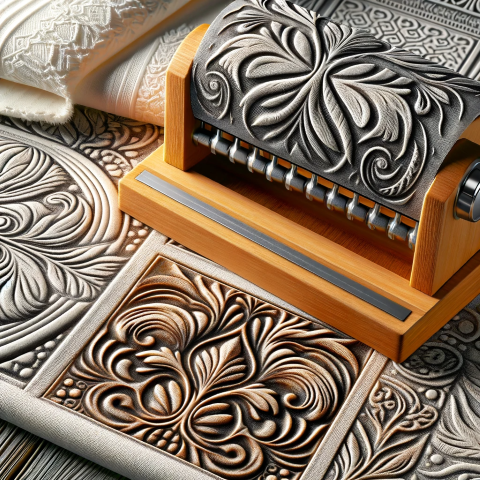
Embossing is a technique used in textiles to create a raised or three-dimensional pattern on a surface. It is achieved by pressing a design into the surface of a material using heat and pressure,...
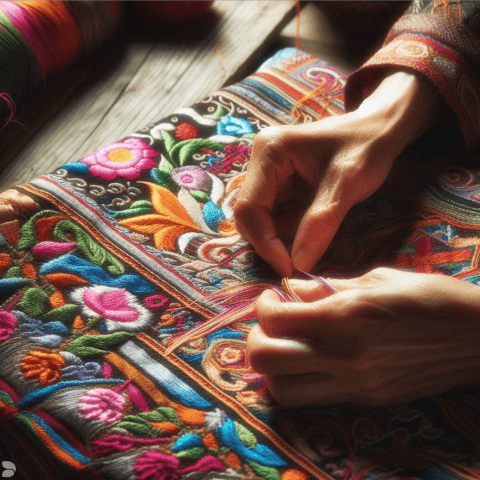
In the realm of textiles, embroidery refers to the artful technique of embellishing fabric using needle and thread. It involves creating intricate designs, patterns, or images by stitching thread...
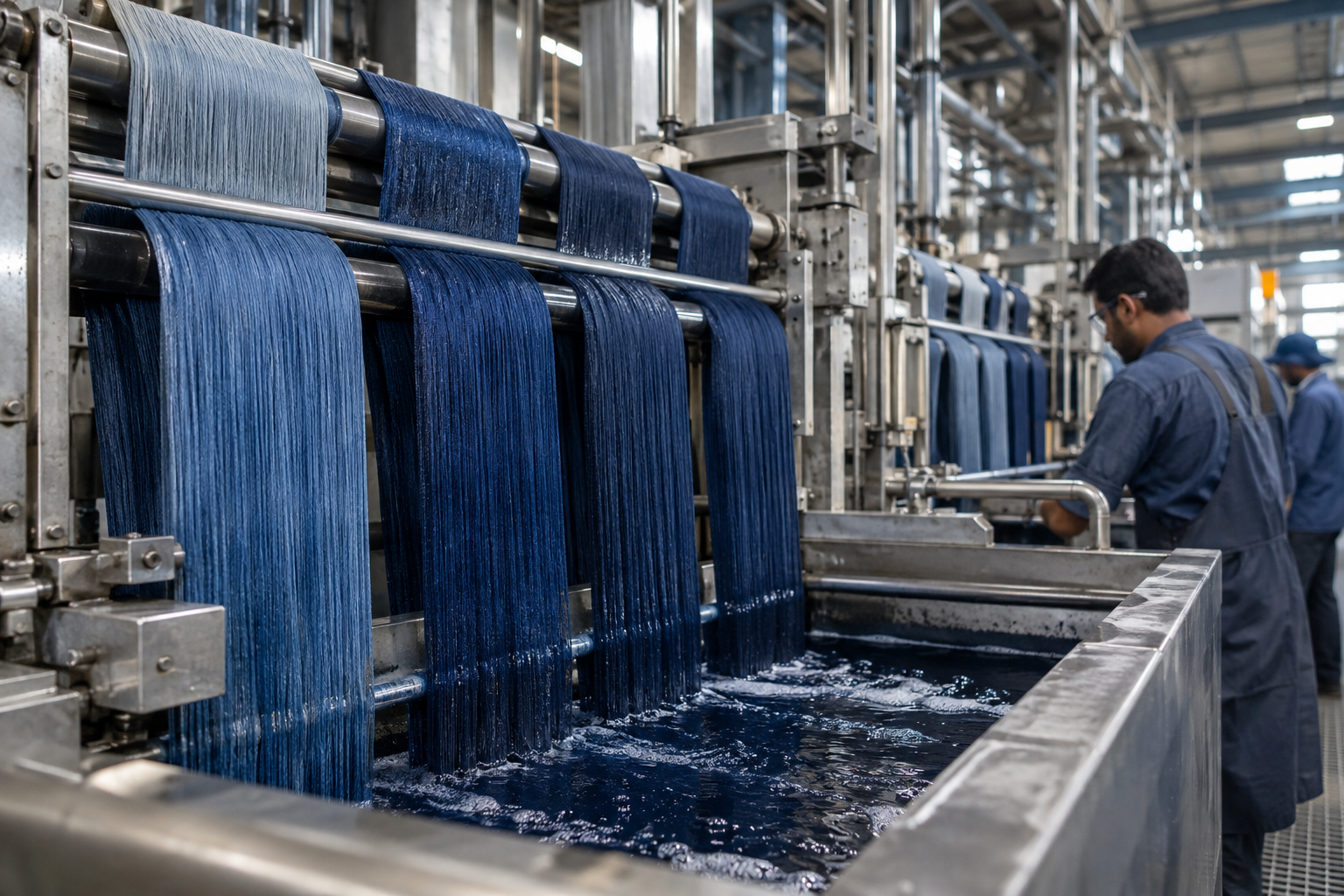
Indigo is one of the most recognizable textile colorants in the world, yet the expression indigo dyed describes far more than a particular shade of blue. In textile technology, it normally means that...

 Share on X