Share on X
Grain in the Textile Industry: Understanding Fabric Structure and Quality
In the textile industry, "grain" refers to the internal arrangement of fibers and the direction of the weave in a woven fabric. It is a critical aspect that influences the fabric's appearance, durability, drape, and overall performance. Understanding fabric grain is essential for various stages of textile production, from weaving and cutting to sewing and garment construction. This article delves into the concept of grain, its types, and its significance in textile manufacturing and design, offering insights into how grain affects the quality and functionality of fabrics.
Types of Grain in Fabrics
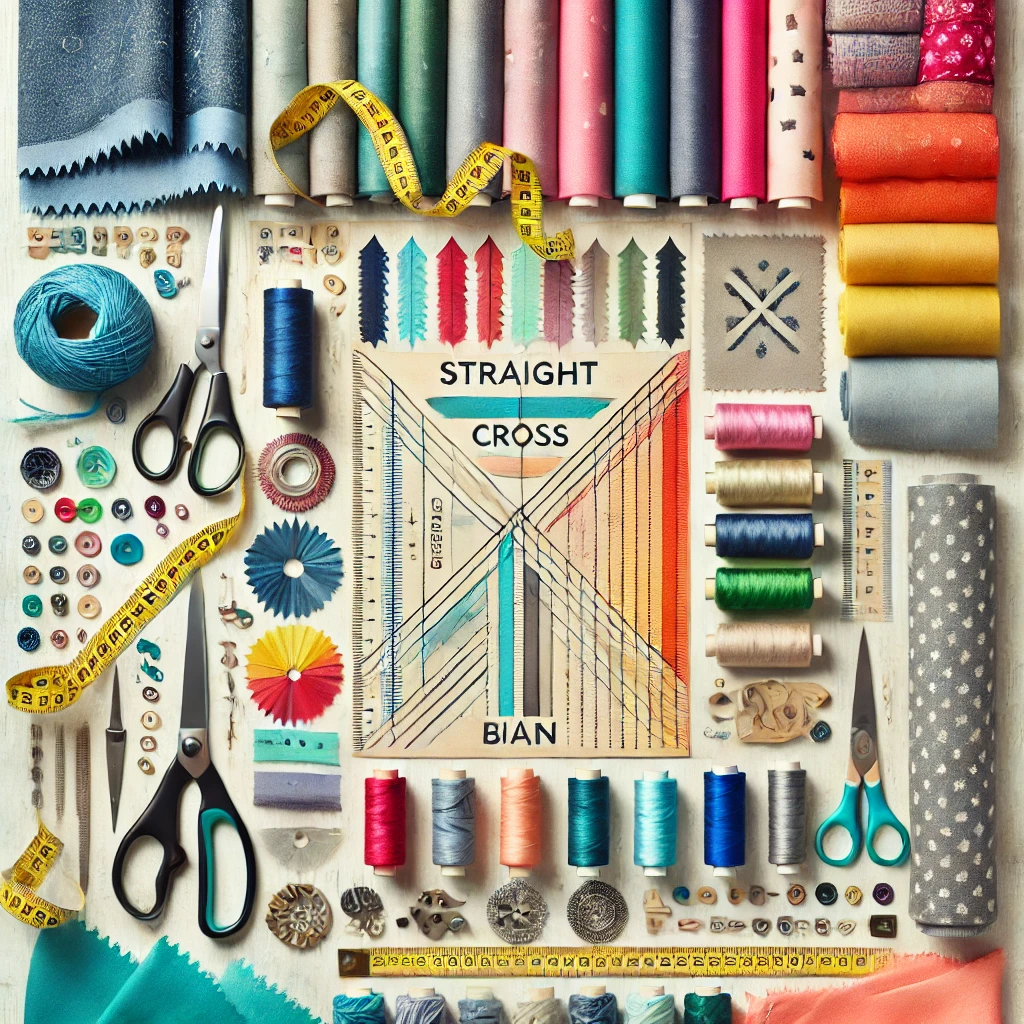
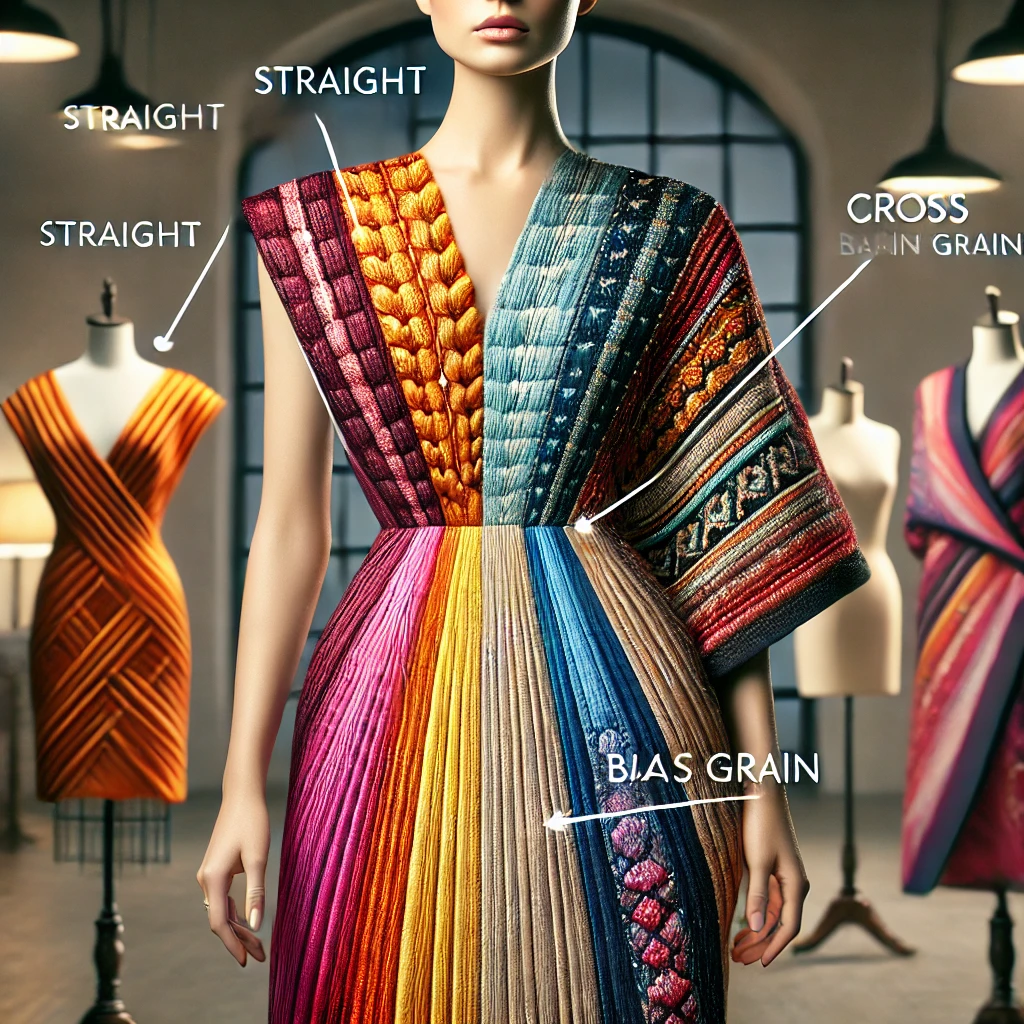
Grain in fabrics can be categorized into different types based on the direction of the fibers and weave. Each type of grain plays a unique role in determining how the fabric behaves and performs in different applications.
- Straight Grain (Lengthwise Grain)
- Definition: Straight grain, also known as lengthwise grain, runs parallel to the fabric's selvage (finished edge). It aligns with the warp threads in woven fabrics.
- Characteristics: This grain offers the greatest strength and stability in the fabric. It is less likely to stretch and is often used as a reference line when cutting patterns.
- Applications: Straight grain is typically used in garment construction to ensure that clothing hangs properly and retains its shape. It is especially important in areas requiring structure, such as waistbands and hems.
- Cross Grain (Crosswise Grain)
- Definition: Cross grain runs perpendicular to the fabric's selvage, aligning with the weft threads in woven fabrics.
- Characteristics: Fabrics along the cross grain have a slight give or stretch compared to the straight grain. This grain is less stable than the straight grain but still provides some structure.
- Applications: Cross grain is often used in garment areas that require some flexibility, such as sleeves and necklines. It can also be used for design elements like horizontal stripes or patterns.
- Bias Grain
- Definition: Bias grain refers to the diagonal direction of the fabric, typically at a 45-degree angle to the straight and cross grains.
- Characteristics: Bias grain offers the most stretch and flexibility, allowing the fabric to drape and move fluidly. This characteristic makes it more delicate and prone to stretching out of shape if not handled correctly.
- Applications: Bias grain is commonly used in fashion for creating garments that require a flowing, form-fitting silhouette, such as bias-cut dresses and skirts. It is also utilized in creating bias tape for binding edges and seams.
Importance of Grain in Fabric Construction
Grain plays a crucial role in the construction and final appearance of fabric-based products. Its impact is seen in several aspects of textile manufacturing and design.
- Cutting and Pattern Placement
- Straight and Cross Grains: Aligning patterns with the straight or cross grain ensures that garments retain their intended shape and fit. Misaligned patterns can result in distorted seams and uneven hemlines.
- Bias Grain: When a garment pattern is cut on the bias, it requires careful handling to maintain the fabric's drape and stretch properties. Cutting on the bias creates a unique fit and flow but demands precision to avoid stretching or warping.
- Drape and Fit
- Straight Grain: Provides a structured drape, contributing to a garment's ability to hang smoothly and maintain a tailored look.
- Bias Grain: Enhances drape, creating fluid and body-contouring shapes. This is particularly important in evening wear and fashion garments that emphasize movement.
- Fabric Performance and Durability
- Straight Grain: Offers the strongest and most durable fabric orientation, making it ideal for areas subject to wear and tear.
- Cross Grain: Provides moderate durability and some flexibility, suitable for parts of the garment requiring movement.
- Bias Grain: While offering beautiful drape, the bias grain can be less durable and may require reinforcement in areas prone to stress.
Applications of Fabric Grain in the Textile Industry
Understanding fabric grain is vital in various textile industry sectors, from apparel production to interior design.
- Apparel Manufacturing
- Garment Construction: Ensuring patterns align with the correct grain is essential for the garment's fit, appearance, and longevity. For example, pants and skirts are often cut along the straight grain to ensure they hang correctly.
- Design and Aesthetics: Bias-cut garments are a popular design choice for achieving a fitted and flattering silhouette, offering a flowing look that enhances the fabric's natural drape.
- Home Textiles
- Curtains and Drapes: For curtains, the straight grain is used to maintain structure and prevent sagging. The fabric's grain ensures that the curtains fall evenly and retain their shape over time.
- Upholstery: Upholstery fabrics are typically cut on the straight grain to provide durability and maintain a uniform appearance on furniture.
- Quilting and Crafting
- Quilting: In quilting, grain alignment affects the quilt's stability and appearance. Quilt blocks are usually cut on the straight or cross grain to avoid stretching and distortion.
- Crafting: For fabric crafts that require flexibility, such as making bias tape or fabric flowers, the bias grain is often utilized for its stretch and pliability.
Tips for Working with Fabric Grain
Proper handling of fabric grain is essential for achieving professional and durable textile products.
- Pattern Alignment: Always align the pattern with the fabric grain, following the grainline markings on the pattern. This ensures that garments fit correctly and maintain their intended shape.
- Marking the Grain: Use chalk or fabric markers to indicate the grain direction on fabric pieces before cutting, especially when working with bias cuts or patterned fabrics.
- Stabilizing Bias Cuts: When cutting on the bias, handle the fabric gently and consider using stabilizing techniques, such as stay stitching, to prevent stretching and distortion.
- Grain Checking: To check the grain alignment, fold the fabric along its selvage edges. If the fabric edges meet evenly without twisting, the fabric is on the grain.
Grain's Impact on Fabric Quality and Design
The grain of a fabric significantly impacts its quality, design, and usability across different textile applications. Proper grain alignment ensures that garments and textile products not only fit well but also exhibit enhanced durability and aesthetic appeal. In fashion design, the choice of grain can transform the look and feel of a garment, from the structured lines of a tailored suit to the fluid drape of a bias-cut gown.
Moreover, grain influences how fabrics perform during wear and care. A garment cut on the straight grain will generally hold up better to daily use and laundering, while bias-cut fabrics may require special care to maintain their integrity. The strategic use of grain in textile design is a testament to the complexity and artistry involved in fabric construction, highlighting the importance of this concept in the textile industry.