Share on X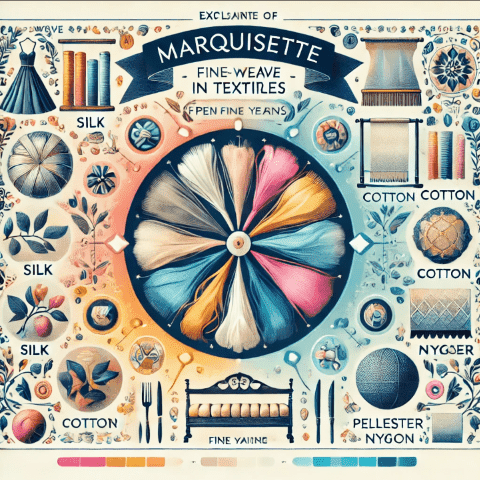
Marquisette Explained: From French Aristocracy to Modern Textile Marvel
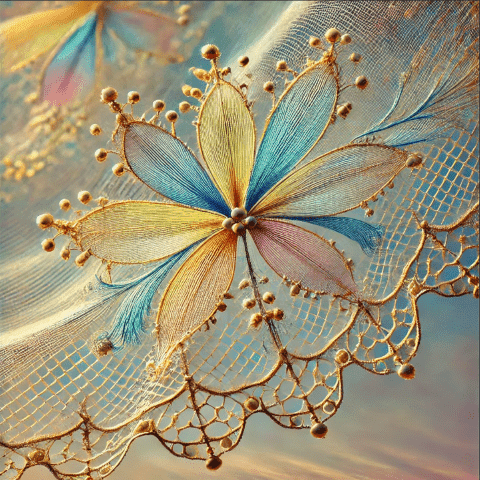
Marquisette is a delicate and sheer fabric commonly used in the textile industry. It is characterized by its open-weave structure, fine yarns, and lightweight nature. This fabric is known for its translucency, which allows for a subtle play of light and provides a graceful and ethereal quality to garments and home textiles.
History and Origin
The origins of Marquisette can be traced back to France in the 18th century. The name "Marquisette" is believed to have been derived from the French word "marquise," which refers to a noblewoman or the wife of a marquis. The fabric was initially created for the aristocracy and was associated with luxury and elegance.
In its early days, Marquisette was made using silk yarns, which added to its opulence and exclusivity. However, with advancements in textile manufacturing, Marquisette began to be produced using a variety of fibers, including cotton, polyester, rayon, and nylon. This diversification made the fabric more accessible to a wider range of consumers.
Types of Marquisette
Marquisette fabric comes in various types, each with its own unique characteristics:
- Silk Marquisette: Traditional Marquisette was originally made from silk yarns, offering a luxurious and lustrous appearance. Silk Marquisette is prized for its smooth texture and delicate drape.
- Cotton Marquisette: Cotton Marquisette is a popular choice due to its breathability and softness. It is often used for lightweight summer clothing, curtains, and other home textiles.
- Polyester Marquisette: Polyester Marquisette is known for its durability and wrinkle resistance. It is frequently used in apparel, particularly for flowy dresses and blouses.
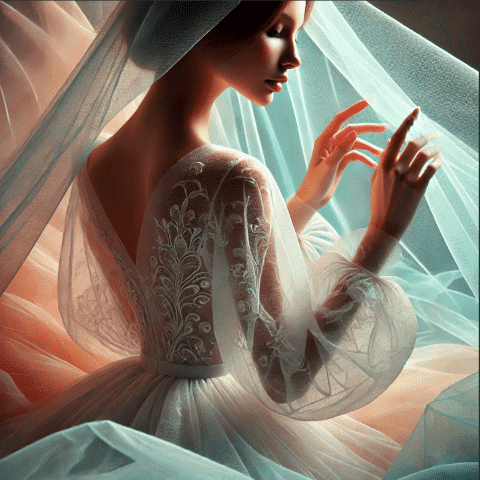
- Nylon Marquisette: Nylon Marquisette offers a delicate and sheer appearance while providing added strength and elasticity. It is commonly used for bridal veils and elegant eveningwear.
Tips in Handling Marquisette
Handling Marquisette fabric requires delicate care due to its delicate nature. Here are some tips to ensure proper handling:
- Handwashing: It is recommended to hand wash Marquisette fabric using mild detergent and cold water. Avoid wringing or twisting the fabric, and gently squeeze out excess water.
- Drying: After washing, lay the fabric flat on a clean towel and gently reshape it. Avoid hanging or using a dryer, as the weight of the fabric can cause stretching or distortion.
- Ironing: If necessary, iron Marquisette on a low heat setting, using a pressing cloth to protect the fabric. Avoid excessive heat, as it can damage the delicate fibers.
- Storage: When storing Marquisette fabric, ensure it is clean and completely dry. Avoid folding it with heavy or textured fabrics to prevent creasing. Ideally, roll the fabric or store it flat to maintain its smooth appearance.
Top International Users and Manufacturers
Marquisette fabric is utilized by several international users and manufacturers known for their expertise in producing exquisite textiles. Here are some notable examples:
- Gucci: Gucci, a renowned luxury fashion brand, incorporates Marquisette fabric in its collections, adding a touch of delicacy and elegance to their designs.
- Valentino: Valentino, a leading Italian fashion house, often features Marquisette in their ethereal and romantic creations, emphasizing its sheer and airy qualities.
- Chlo: Chlo, a French luxury fashion brand, frequently uses Marquisette fabric to create lightweight and feminine garments, enhancing their signature bohemian aesthetic.
- Oscar de la Renta: The prestigious fashion brand Oscar de la Renta incorporates Marquisette fabric in their collections, showcasing its delicate and graceful characteristics in their high-end designs.
- Elie Saab: Elie Saab, a Lebanese fashion designer, utilizes Marquisette fabric to craft ethereal and enchanting couture gowns, highlighting its sheer and flowing qualities.
Conclusion
Marquisette fabric has a rich history dating back to the 18th century, initially associated with luxury and exclusivity. Over time, it has evolved to become more accessible, thanks to advancements in textile manufacturing. Today, Marquisette is available in various types, including silk, cotton, polyester, and nylon, each with its own distinct characteristics. Proper handling is essential to maintain the delicate nature of Marquisette fabric. Internationally renowned fashion houses such as Gucci, Valentino, Chlo, Oscar de la Renta, and Elie Saab are among the top users and manufacturers of Marquisette, incorporating it into their designs to evoke a sense of grace, elegance, and ethereal beauty.