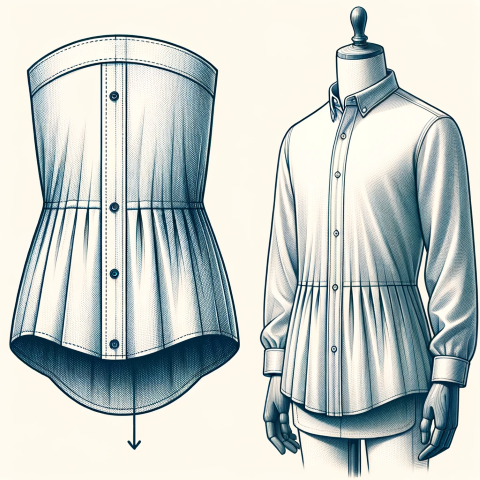
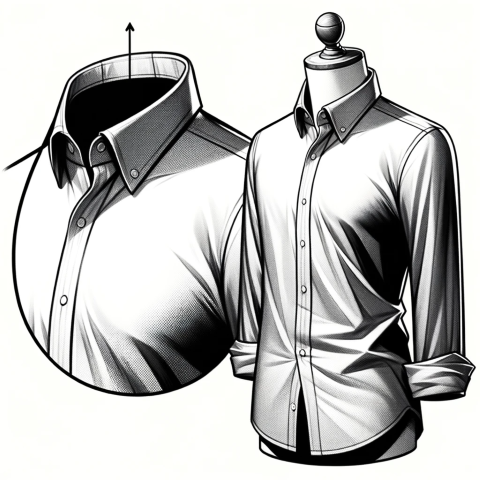
In the world of fashion and textile, a shirttail hem is a distinct feature often associated with casual and relaxed clothing. The name derives from its resemblance to the curved hem typically found on men's dress shirts. The origins of the shirttail hem are deeply entwined with the evolution of shirts themselves. Since the Middle Ages, when shirts were considered undergarments, the hem had a practical purpose of providing ease of movement. However, it was not until the 19th and 20th centuries, when clothing became more casual and shirts were worn untucked, that the shirttail hem gained popularity for its stylish yet relaxed look.
Brooks Brothers: An American brand known for its quality dress shirts, many of which feature a classic shirttail hem.
Hugo Boss: The German luxury fashion house uses shirttail hems in both their men's and women's lines to bring a relaxed elegance.
UNIQLO: This Japanese casual wear designer incorporates shirttail hems in various clothing items, from casual shirts to dresses.
ASOS: A British online retailer catering to the younger demographic, ASOS features a range of shirttail hems in their clothing, demonstrating the hem's contemporary appeal.
Zara: Spanish fast-fashion giant Zara has utilized shirttail hems in many of its designs, adding a modern twist to this classic feature.
Dress Shirts: The most traditional use, providing a polished look even when untucked.
Casual Shirts: The shirttail hem gives a relaxed and casual feel to shirts, making it ideal for leisure wear.
Dresses and Tunics: The high-low or stepped shirttail hem adds a stylish touch to women's dresses and tunics.
Active and Sportswear: The side-slit shirttail hem is often used in activewear for better movement.
In conclusion, the shirttail hem, despite its humble beginnings, has made a significant impact in the world of fashion. It has proven to be a timeless element that combines function and style. Whether you're dressing up for a formal event or going out for a casual day, chances are, you'll come across this versatile design feature.
Additional definition by Vikram Singh
Shirttail Hem
Shirttail hem is a type of hemline used in the construction of shirts and blouses, where the front and back hemlines are curved, resembling the shape of a shirttail. The shirttail hem is named so because it resembles the shape of the tail of a shirt.
The shirttail hemline is achieved by sewing a curved hemline on the front and back of the shirt. The front of the shirt is typically shorter than the back, creating a curved hemline. The shirttail hem is often used in casual shirts and blouses as it gives a relaxed and effortless look.
The shirttail hem is a versatile hemline that can be used in a variety of shirt styles, such as button-down shirts, tunic shirts, and casual blouses. It can be used in both men's and women's clothing and is popular in both casual and dressy styles.
Shirttail hem shirts are popular among many clothing manufacturers and designers, including J.Crew, Banana Republic, and Ralph Lauren. These designers often incorporate the shirttail hem into their clothing collections to give their garments a more relaxed and effortless look.
In addition to its aesthetic appeal, the shirttail hem also provides functional benefits. The curved hemline allows for a greater range of movement and flexibility, making it a popular choice for sports and outdoor activities.
Shirttail hemlines can be made from a variety of fabrics, including cotton, silk, and linen. The choice of fabric depends on the intended use of the garment and the desired level of comfort and breathability.
When it comes to styling, the shirttail hem can be dressed up or down depending on the occasion. For a casual look, it can be paired with jeans or shorts, while for a more formal look, it can be paired with trousers or a skirt. The shirttail hem can also be layered over a tank top or paired with a blazer for added warmth and style.
To care for a shirt with a shirttail hem, it is important to follow the care instructions provided by the manufacturer. Most shirttail hem shirts can be machine washed and dried, but some may require hand washing or dry cleaning to maintain their shape and color.
In conclusion, the shirttail hem is a popular hemline used in the construction of shirts and blouses. It is a versatile hemline that can be used in a variety of shirt styles and can be dressed up or down depending on the occasion. The shirttail hem provides both aesthetic and functional benefits and is popular among many clothing manufacturers and designers.
Note: This content is for informational purposes only. Please read our full disclaimer for more details.
Frequently Asked Questions
A shirttail hem is a specific type of hem commonly seen in shirts and blouses. It is characterized by a curved, often elongated, hemline that is shorter on the sides and longer in the front and back, resembling the tail of a shirt. This design contrasts with straight or even hems, which maintain a uniform length across the entire bottom of the garment. The shirttail hem gives garments a more casual and relaxed appearance, offering flexibility in styling, especially when the shirt is worn untucked.
The shirttail hem is highly versatile because it allows for multiple styling options. It can be worn untucked for a casual, laid-back look or tucked in for a more polished appearance. Its curved design also flatters different body types by elongating the torso and creating a balanced silhouette. Whether paired with jeans, trousers, or skirts, the shirttail hem adapts well to both casual and semi-casual outfits, making it a popular choice in a wide range of wardrobe staples like button-down shirts, tunics, and blouses.
Shirttail hems are most commonly found in casual and semi-casual tops, such as button-down shirts, blouses, and tunics. They are also popular in dresses and long shirts, particularly in designs that aim for a relaxed, flowy aesthetic. The hemline is a common feature in men's and women's fashion, offering a tailored yet casual look that works well with a variety of outfit combinations. Shirttail hems can also be seen in outerwear like jackets and coats, where the curved hem adds a unique design element.
The curved nature of the shirttail hem enhances the fit of a garment by providing more movement and flexibility around the hips. Unlike straight hems, which can feel restrictive or bulky when sitting or moving, the shirttail hem allows the fabric to drape more naturally. This design also accommodates different body shapes by offering extra coverage in the front and back, making it particularly flattering for people with wider hips or curvier body types. The rounded shape helps to balance proportions and elongate the figure, creating a more comfortable and tailored fit.
Wearing a shirttail hem untucked offers several advantages, particularly in terms of comfort and style. The elongated front and back provide additional coverage, which can be more flattering and forgiving than shorter or straight hems. The relaxed silhouette also allows for ease of movement, making it a popular choice for casual settings or for layering over other garments. Additionally, the curved hem adds visual interest, making even simple outfits appear more dynamic and stylish. This untucked style works especially well with fitted bottoms, as the loose top creates a balanced and effortless look.
A shirttail hem can be styled in various ways to suit different occasions. For casual wear, you can leave the hem untucked and pair it with jeans or leggings for a relaxed, easygoing look. For a more formal or business-casual setting, you can tuck in the front of the shirttail hem into tailored pants or a skirt, leaving the back untucked for a more modern, asymmetrical appearance. Layering a shirttail hem under a blazer or cardigan can also add a professional touch, making it suitable for office environments. The versatility of the hemline allows for both casual and polished outfits.
Shirttail hems are often used in garments made from lightweight, flowy fabrics such as cotton, linen, rayon, and silk. These fabrics allow the hem to drape gracefully, enhancing the curved silhouette of the design. Knit fabrics are also popular for shirttail hems in casual tops and tunics, offering stretch and comfort. In more structured shirts, like oxford button-downs, heavier cotton or cotton blends may be used to give the hem a more tailored look. The choice of fabric plays a crucial role in how the shirttail hem falls and how the garment can be styled.
The shirttail hem is popular in both men's and women's fashion because of its universal appeal and practicality. In men's fashion, it is commonly seen in button-down shirts, where the curved hem allows the shirt to be worn both tucked and untucked without looking overly formal or casual. For women, the shirttail hem is often used in blouses and tunics to create a flattering silhouette that can be dressed up or down. Its ability to offer additional coverage, combined with the ease of movement, makes it a functional yet stylish choice for both genders.
The shirttail hem affects the overall silhouette of an outfit by adding curvature and flow to the lower half of the garment. This hemline can elongate the body by drawing the eye vertically along the longer front and back, creating a balanced and proportionate look. The curved shape also adds a sense of movement to the outfit, making it appear less rigid than garments with straight hems. Whether tucked or untucked, the shirttail hem provides a dynamic visual element that can slim the waist, lengthen the torso, and enhance the overall shape of the body.
When wearing a shirttail hem in different climates, fabric choice and layering become important factors. In warmer climates, lightweight fabrics like cotton or linen work well with shirttail hems as they provide breathability and airflow, keeping the wearer cool. The longer hem can offer additional sun protection for the lower back and front. In cooler climates, shirttail hems can be layered under sweaters or jackets for added warmth, while still allowing for comfortable movement. The curved hemline also prevents bulkiness when layered, making it a versatile option for transitional weather.
Broadloom Explained: Why It's a Top Choice for Large Spaces Broadloom is a term used in the textile industry to refer to a type of carpet that is woven on a wide loom. Broadloom carpets are popular...
Pellon is a brand name that has become synonymous with a specific type of interfacing material used in the textile industry. Interfacing refers to a layer of fabric or material that is added to the...
Moleskin: An In-Depth Look at a Versatile Textile Moleskin, a unique and highly durable fabric, has a rich history and a significant place in the textile industry. Known for its dense weave and soft,...
Shorts: A Versatile and Essential Garment Shorts are a type of garment worn by both men and women, designed to cover the pelvic area and the upper part of the legs, usually extending down to the...

 Share on X