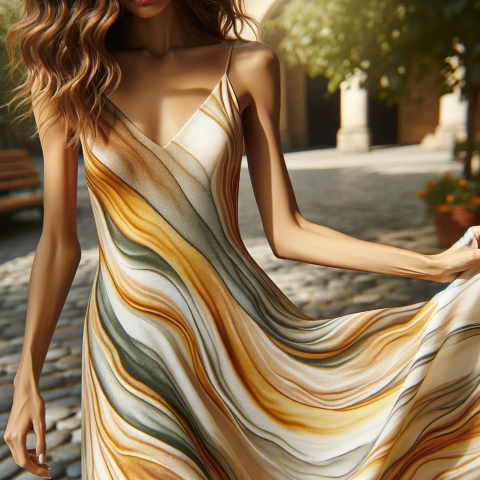
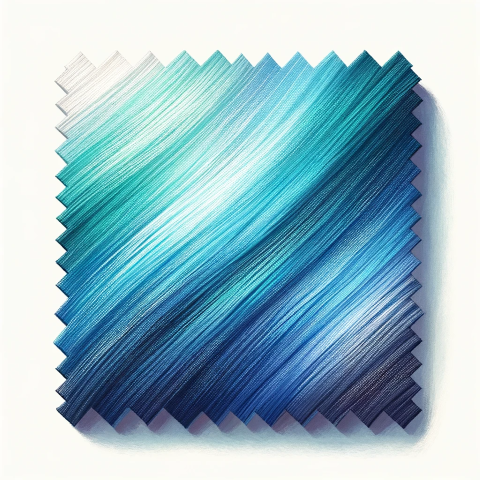
Variegated textiles are celebrated for their multi-tonal hues and the unique visual effects they impart. The term "variegated" itself originates from the Latin 'variegatus', meaning to be made of various kinds or colors. This type of textile is distinguished by its use of different colors in yarns or fibers to create patterns or effects that are not uniform, but rather, diverse and intricate. The history of variegated textiles spans several centuries, with evidence of multi-hued dyeing techniques found in ancient civilizations such as Egypt, where they were used to signify status and adornment.
The allure of variegated fabrics lies in their ability to add depth and movement to a piece without the need for elaborate patterns or additional ornamentation. This effect is achieved through various dyeing techniques, such as space-dyeing or hand-painting, which lead to the distinctive color transitions that can be both subtle and striking.
As we delve into the rich history and vibrant world of variegated textiles, we uncover a tradition that has been continually reinvented, always maintaining its place at the intersection of art and technology within the textile industry.
Space-Dyed Yarns: Yarns are dyed at intervals to create a unique multi-colored effect when woven or knitted.
Hand-Painted Fibers: Artisans paint dyes onto fibers or yarns by hand, allowing for artistic expression and one-of-a-kind patterns.
Ikats: Employing resist dyeing on the yarns before weaving, ikats feature a blurred, variegated pattern due to the dye's migration during the yarn's alignment.
Printed Variegated Fabrics: Digital or screen printing can be used to apply variegated patterns onto fabric, offering intricate designs and color transitions.
Marbled Fabrics: A water-based dyeing technique where colors float on the surface and are transferred to the fabric, creating swirling, multi-tonal designs.
Malabrigo Yarn: Headquartered in Uruguay, Malabrigo is famed for their luxuriously soft, hand-dyed yarns, including stunning variegated options, popular among knitters and crocheters worldwide.
Noro Yarn: This Japanese company is renowned for its artistic approach to spinning and dyeing, creating variegated yarns that effortlessly blend natural fibers and vibrant colors.
ArtFabrik: A small boutique operation, ArtFabrik specializes in hand-dyed fabrics and threads, with a focus on variegated colors that appeal to quilters and textile artists.
Robert Kaufman Fabrics: Known for their extensive fabric collections, they offer a diverse range of variegated textiles, serving the quilting and fashion industries.
Manos del Uruguay: As a cooperative of artisans, Manos del Uruguay provides handcrafted variegated yarns, celebrated for their deep colors and support of local communities.
Knitwear: Variegated yarns bring life to sweaters, scarves, and socks, adding a splash of color and uniqueness to each knitted piece.
Quilting: Variegated threads add depth and dimension to quilts, enabling intricate patterns and shading with a single thread type.
Home Dcor: Cushions, draperies, and upholstery made with variegated fabrics can become focal points in interior design, adding a dynamic and inviting feel to any room.
Fashion: Designers use variegated fabrics to create striking garments that feature gradients and color shifts, providing a sense of movement and complexity.
Embroidery: Embroidery with variegated threads offers a subtle color progression, adding richness and detail to the embroidered motifs.
The journey of variegated textiles is a vibrant testament to the evolution of textile artistry. From ancient resist-dyeing techniques to modern digital printing, the desire to create depth and movement within fabric remains unchanged. The future promises further innovation as sustainable practices and new technologies emerge, offering endless possibilities to the variegated palette. This multidimensional fabric will continue to capture our imagination, adorning our lives with its myriad of colors and reminding us of the enduring legacy of human creativity in the world of textiles.
Additional definition by TGA Staff
Variegated
Having streaks, marks or patches of different colors. Distinquished or characterized by a variety of different colors.
— TGA StaffTGAcademy Staff Writer
Note: This content is for informational purposes only. Please read our full disclaimer for more details.
The Ballerina Neckline is a style of neckline commonly used in garments, particularly in women's clothing. It is characterized by a high and rounded neckline that closely resembles the necklines seen...
The Legacy and Significance of Hickory Cloth in Textiles The History and Origin of Hickory Cloth Hickory cloth has its roots deeply embedded in American history, tracing back to the 1900s. This...
Back Fabric Seam Problems: Simple Tips to Ensure Perfect Prints When printing on fabric, achieving a smooth and flawless finish is crucial. However, several factors can impact the quality of the...
Understanding Gimp in Textiles: Structure, Types, and Applications Gimp is a specialized thread or cord widely utilized in the textile industry, known for its unique construction and versatility. It...

 Share on X