Note: This content is for informational purposes only. Please read our full disclaimer for more details.
Ombre fabrics feature a gradual color transition that shifts smoothly from light to dark shades or between two distinct hues. This textile technique, derived from the French word "ombre" meaning shaded, creates a visual gradient effect that adds elegance and sophistication to clothing and home décor. The gradient can either be soft and subtle or bold and dramatic, depending on the desired artistic outcome.
There are multiple ways to achieve ombre fabrics. One of the most common is dip-dyeing, where the fabric is dipped gradually into a dye bath and pulled out in stages to create layered color saturation. Another technique involves digital printing, which offers precise control, creating seamless transitions between colors with intricate patterns. These methods allow designers to experiment with diverse color combinations and textures for various applications.
Ombre fabrics are prized for their versatility across fashion, upholstery, and home décor. A soft ombre transition evokes a romantic or delicate vibe, making it popular for garments like dresses and blouses, while bolder transitions are used to convey more dramatic styles in interior décor elements such as curtains and throw pillows. This adaptability makes ombre fabrics suitable for both casual and formal settings.
Beyond aesthetics, the depth and movement created by the gradual color shift bring dimension to fabric designs, enhancing visual appeal. This dynamic feature makes ombre fabrics ideal for creating eye-catching displays in both home environments and retail spaces. With the ability to appear in a variety of textiles, including cotton, silk, wool, and polyester, ombre designs fit multiple design needs, from breathable summer wear to luxurious upholstery.
In fashion, ombre fabrics are often used to create flowing garments like skirts, dresses, and scarves, where the color gradient enhances movement. The light-to-dark effect can elongate the silhouette, making it a favorite among designers looking to add elegance to their collections. Fashion brands may also use ombre for accessories or in activewear, adding a stylish edge to everyday clothing.
For home décor, ombre fabrics provide a stylish way to introduce color without overwhelming a space. Curtains and drapes with gradient hues soften the transition between walls and windows, while ombre pillows and rugs add subtle sophistication to living rooms and bedrooms. This technique also works well in table linens and wall art, providing a cohesive aesthetic that enhances any modern or eclectic interior design scheme.
Designers are drawn to ombre fabrics because they offer creative flexibility. The color gradient allows for experimenting with patterns and textures that add visual depth, making these fabrics stand out on runways and in interior design. Whether used for casual wear, formal outfits, or luxury décor, ombre designs bring a sense of movement and innovation to any project.
Another reason for their popularity is the ability to match any color palette. Ombre fabrics come in numerous hues, allowing designers to blend seamlessly into existing color schemes or create striking contrasts. Their broad application makes them a favorite choice across industries—from high-end fashion brands to interior designers seeking unique accents for modern homes.
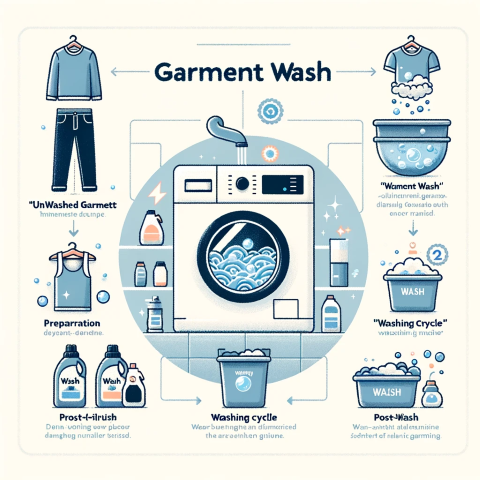
Proper care ensures the longevity of ombre fabrics, especially those featuring delicate dyes or intricate digital prints. It's essential to check the care label for washing instructions specific to the fabric type. Handwashing is recommended for silk or other delicate materials, while sturdier fabrics like cotton blends may be safe for machine washing on a gentle cycle.
To preserve the vibrancy of the gradient, it’s advisable to avoid harsh detergents and opt for mild soaps. Line drying or laying the fabric flat can prevent stretching or fading, which can disrupt the color transition. Ironing on a low setting is suggested for wrinkle removal, but using a press cloth will protect the ombre design from direct heat exposure, ensuring the fabric maintains its original aesthetic appeal.
Ombre fabrics have become highly sought-after across multiple industries due to their aesthetic versatility and visual intrigue. In the fashion industry, these fabrics are used to create flowing garments, scarves, and accessories. High-end fashion houses and streetwear brands alike incorporate gradient color effects into collections, often to add drama or elegance to dresses, blouses, and activewear. Designers appreciate how the color shifts enhance the garment’s movement, making them ideal for both runway collections and everyday wear.
The interior décor industry also capitalizes on the appeal of ombre fabrics. Home furnishings like curtains, throw pillows, and rugs benefit from the soft transitions, which can introduce layers of color without overwhelming a space. These fabrics are also popular in bedding sets and wall tapestries, helping to establish tranquil, artistic atmospheres in modern homes. With increasing interest in personalized home décor, ombre fabric remains a preferred option for creating bespoke interior designs.
The rise of ombre fabrics can be traced back to the popularity of bohemian and artistic styles, where the gradual blending of hues reflected creativity and individual expression. Over time, ombre fabrics gained traction in street fashion and luxury interiors, appealing to designers seeking subtle sophistication. With digital printing technologies making precise gradient effects more accessible, ombre has evolved from being niche to mainstream in both fashion and décor.
Looking ahead, sustainability trends are influencing how ombre fabrics are produced. Many manufacturers are exploring eco-friendly dyes and water-saving printing techniques to meet consumer demand for ethical fashion and sustainable home décor. Additionally, the trend toward customizable design—allowing consumers to choose specific hues and gradients—signals a shift toward personalized ombre textiles. This evolution ensures that ombre fabrics will continue to inspire new creations across various industries.
Ombre fabrics can be made from natural and synthetic fibers, each offering unique benefits depending on the intended use. Cotton is a popular choice due to its breathability and ability to absorb dyes well, making it ideal for everyday apparel and home textiles. Similarly, silk is often used for luxury garments and accessories, as its smooth texture enhances the visual appeal of gradual color transitions. For activewear or upholstery, polyester and nylon are favored because of their durability and vibrant color retention, ensuring the gradient effect remains vivid after multiple uses or washes.
Wool and rayon are also suitable for ombre effects, particularly when softness or warmth is desired. Blended fabrics like cotton-polyester allow manufacturers to combine the best traits of each fiber, such as softness with durability. With advancements in textile manufacturing, bamboo fibers are increasingly popular for eco-friendly ombre fabrics, offering moisture-wicking properties ideal for sustainable fashion and décor products.
Creating seamless ombre transitions presents several technical challenges. One difficulty lies in achieving consistent color blending, especially with natural dyes or fibers that absorb pigments unevenly. This requires precise control over the dyeing or printing process to avoid noticeable lines or irregular transitions. For manufacturers, the time and labor-intensive nature of the process can lead to higher production costs, particularly when fabrics require multiple color immersion stages or intricate digital printing.
Another challenge is maintaining colorfastness—the ability of the gradient colors to resist fading over time. Exposure to sunlight, frequent washing, or harsh detergents can degrade ombre designs, especially when lighter hues are involved. Manufacturers must carefully select dyes and finishes that ensure long-lasting color vibrancy. Additionally, sustainable production methods pose a challenge, as ombre effects often require water-intensive processes, making it crucial to adopt eco-friendly dyeing techniques.
To preserve the beauty of ombre fabrics, proper care practices are essential. Hand washing or using a gentle machine cycle with cold water helps prevent the colors from bleeding or fading prematurely. Mild, color-safe detergents are recommended, as harsh chemicals can degrade the dye and compromise the fabric’s softness or structure. For delicate ombre fabrics like silk or chiffon, air drying flat or hanging in the shade prevents sun damage and retains the fabric's natural flow.
When ironing ombre fabrics, it’s best to use a low-heat setting or place a protective cloth between the iron and the fabric to avoid scorching or color distortion. If the fabric is made of synthetic blends, it may require specific care labels to ensure heat resistance and maintain its structural integrity. Dry cleaning may be recommended for luxury textiles to preserve intricate ombre patterns, while rotating home décor items, such as curtains or rugs, helps reduce uneven fading over time.
Folded yarn, also known as cabled yarn, is a type of yarn that is created by twisting two or more plies of yarn together in the opposite direction from which they were spun. This process, called...
Read about Folded yarn
A ball gown is a type of formal dress characterized by its full, voluminous skirt that extends from the waistline to the floor. It is typically worn for grand occasions, such as formal balls, galas,...
Read about Ball Gown
The Ballerina Neckline is a style of neckline commonly used in garments, particularly in women's clothing. It is characterized by a high and rounded neckline that closely resembles the necklines seen...
Read about Ballerina Neckline
The Ethereal Weave: Mousseline in the Tapestry of Textiles Mousseline, also known as muslin in the English-speaking world, is a testament to the finesse and sophistication attainable in textile...
Read about Mousseline