The doublet is a classic garment with a rich history that spans centuries. Originally worn by men during the Renaissance, this close-fitting jacket has evolved over time and continues to be a fashion staple today. In this article, we delve into the meaning, types, handling tips, and profile the top international users and manufacturers of the doublet.
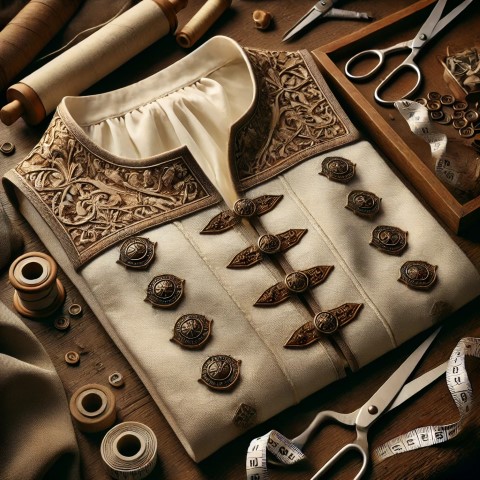
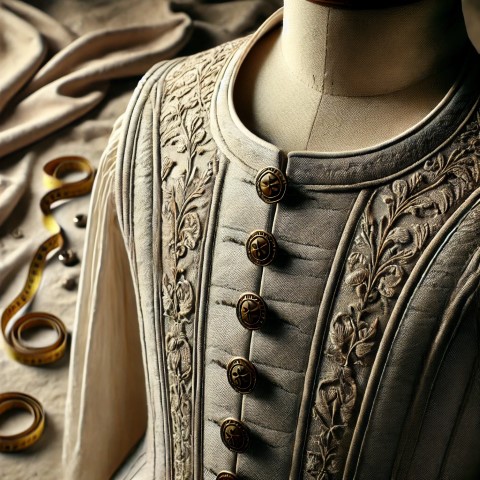
The doublet emerged in Europe during the 14th century and gained popularity during the Renaissance. It was initially worn as an undergarment, serving as a padded and supportive layer beneath outer clothing. Made from sumptuous fabrics such as silk, velvet, or brocade, the doublet was adorned with intricate embroidery, embellishments, and decorative buttons. Over time, it transformed into a fashionable outer garment, reflecting the changing styles and tastes of the era.
The doublet has undergone various transformations, resulting in different styles and variations. Some notable types include:
Renaissance Doublet: Reflecting the elegance of the Renaissance period, these doublets feature elaborate embroidery, slashed sleeves, and a fitted silhouette that enhances the wearer's physique.
Military Doublet: Inspired by military uniforms, these doublets are often adorned with brass buttons, epaulettes, and decorative elements that exude strength and authority.
Contemporary Doublet: Modern interpretations of the doublet fuse traditional elements with contemporary fashion trends. They can feature sleek lines, unique fabric combinations, and innovative details to create a fresh, avant-garde look.
Proper care and handling are essential to maintain the beauty and longevity of a doublet:
Storage: Store doublets in a cool, dry place to prevent damage from humidity and insects. Use padded hangers or garment bags to protect them from dust and creasing.
Cleaning: Follow the care instructions provided by the manufacturer. Some doublets may require professional dry cleaning, while others can be hand-washed with care. Avoid exposing delicate fabrics to harsh detergents or excessive agitation.
Handling: When wearing or handling a doublet, be mindful of sharp objects and rough surfaces that can snag or tear the fabric. Fasten buttons and closures gently to avoid strain.
The allure of the doublet has captivated renowned designers and fashion houses around the world. Here are some top international users and manufacturers:
Alexander McQueen: Known for their avant-garde designs, Alexander McQueen has showcased innovative doublets on the runway, incorporating modern elements and pushing the boundaries of traditional tailoring.
Dolce & Gabbana: This Italian luxury fashion house has embraced the elegance of the doublet, creating exquisite pieces with intricate embellishments and opulent fabrics.
Thom Browne: Thom Browne, a leading American designer, has reimagined the doublet with his signature tailored aesthetic. His pieces often feature impeccable craftsmanship and unexpected details.
Issey Miyake: Issey Miyake, a Japanese fashion designer, has infused his doublets with his unique approach to textile manipulation and innovative fabric technologies.
The doublet, a garment steeped in history, continues to captivate the fashion world with its timeless appeal. From its humble beginnings as an undergarment to its evolution as a fashion statement, the doublet has proven its versatility and enduring charm. Today, designers and wearers alike embrace its rich heritage and reinterpret it with a modern twist, ensuring its place as an iconic piece in the ever-evolving world of fashion.
Additional definition by Ananya Thakur
Doublet
A doublet is a man's snug-fitting buttoned jacket that was worn in medieval and Tudor times. Originally it was a mere stitched and quilted lining ("doubling"), worn under a hauberk or cuirass to prevent bruising and chafing. Then, like many other originally practical items in the history of men's wear, from the late 15th century onward it became elaborated enough to be seen on its own. In the early 1580s, Sir Philip Sidney, when governor of Flushing in the Low Countries, chose to be portrayed in his doublet, but still in a gorget, as if he were caught in the act of setting aside his armour to institute a civil government. (See portrait at Sir Philip Sidney.)
A doublet in gemstones is a fake gem composed in two sections, such as a garnet overlaying green glass, with the join hidden by the mount, giving the effect of a fine emerald. Similarly a layer of opal may be glued to a jet foil, giving the impression of a rare black opal.
— Ananya ThakurAnanya Thakur is an experienced textile designer with over 11 years of experience in fashion and interior textiles. Known for her expertise in block printing and hand embroidery, Ananya has collaborated with various luxury brands to create bespoke collections. Her passion for traditional crafts and her innovative approach to design have earned her a loyal clientele and numerous accolades from industry experts.
Note: This content is for informational purposes only. Please read our full disclaimer for more details.
Frequently Asked Questions
Initially, doublets were used under armor to protect against chafing and provide structure to the soldier's ensemble. As armor use diminished with the advent of firearms, these garments transitioned into fashion pieces, no longer limited to military use. Their padding offered warmth, which made them ideal for colder European climates.
By the Renaissance, clothing reflected wealth and power, and the doublet became a medium to showcase personal status. This shift was influenced by tailoring innovations that allowed for snug fits and ornamentation, evolving the doublet into a fashionable item in royal courts.
Though often used interchangeably, a pourpoint differs from a doublet in both purpose and structure. The pourpoint, typically worn under chain mail, was an earlier padded garment that provided comfort under heavy armor. It was closely fitted, with eyelets to secure leg armor or hose.
In contrast, the doublet evolved beyond functionality, incorporating more elaborate tailoring and decorative features. While the pourpoint was phased out, the doublet remained, becoming the centerpiece of men's wardrobes during the Renaissance, influencing styles like the "peascod" belly.
Yes, Renaissance doublets were often made from sumptuous fabrics such as brocade, damask, and taffeta, which were favored for their ability to hold intricate patterns and embellishments. These fabrics were typically lined with wool or linen, offering structure and comfort.
Today, designers creating historical replicas or modern interpretations of doublets may use lightweight wool blends or synthetic alternatives. The goal remains the same: to create a structured, close-fitting garment with luxurious appeal.
In addition to historical reenactments, contemporary designers have drawn inspiration from doublets for use in avant-garde fashion. High-end brands reinterpret doublets through modern tailoring techniques, introducing sleek cuts and innovative fabric blends to appeal to a modern audience.
While doublets are no longer everyday garments, their influence can be seen in structured blazers and jackets that incorporate similar tailored elements, such as fitted waists and decorative fastenings, making them relevant for high fashion collections.
Theater during the Renaissance relied heavily on clothing to signal a character's status and role, with doublets being a key component of male costumes. These garments were often more ornate than everyday wear, using bold colors and intricate designs to enhance the theatrical effect.
In Shakespearean performances, for example, characters wore exaggerated doublets with slashes, ribbons, and padding to create visual drama. This theatrical legacy continues today, with doublets remaining a staple of historical reenactments and stage productions.
Renaissance tailors developed techniques to achieve a snug and flattering fit for doublets, using quilting and padding to mold the fabric to the wearer's body. They incorporated lacing systems at the sides and back, allowing wearers to adjust the fit as needed.
This emphasis on fit ensured that doublets not only provided structure but also enhanced the wearer's physique. These tailoring practices laid the foundation for modern suit construction, influencing techniques such as darting and shoulder padding.
Modern tailors still borrow from historical tailoring methods seen in doublets. Techniques like panel construction and strategic padding are used to shape suits and jackets, ensuring they drape well and maintain structure.
Incorporating hidden fastenings, double-breasted fronts, and decorative seams—techniques perfected in doublets—gives contemporary garments both functionality and aesthetic appeal. These methods reflect the doublet's ongoing influence on men's formalwear.
Doublets are favored in reenactments and LARP (Live Action Role-Playing) because they offer historical authenticity while remaining comfortable for extended wear. Their tailored design provides a structured look that aligns with the aesthetic requirements of historical settings.
Moreover, modern replicas incorporate breathable fabrics and improved tailoring techniques, ensuring that wearers can participate in events without discomfort. This balance between tradition and modern comfort makes the doublet a popular choice for historical enthusiasts.
The doublet introduced concepts like tailored fits, decorative buttons, and padded shoulders, which became integral to men's fashion in later centuries. These elements laid the groundwork for the structured silhouettes seen in military uniforms and 19th-century frock coats.
The influence of the doublet persists today in structured blazers and fitted jackets, which borrow from the Renaissance ideal of emphasizing the torso and waist. This evolution highlights the garment's lasting impact on Western menswear.
Designers like Thom Browne and Dolce & Gabbana have incorporated elements of the doublet into their collections, blending historical references with modern design. These doublet-inspired pieces feature fitted silhouettes, rich fabrics, and elaborate detailing, aligning with contemporary luxury aesthetics.
This resurgence demonstrates how historical garments can inspire timeless fashion trends. By reinterpreting the doublet for modern audiences, designers maintain its legacy while making it accessible to new generations.
In the context of textiles, a catalyst refers to a substance or agent that speeds up or facilitates a chemical reaction without being consumed or permanently altered in the process. Catalysts play a...
Unveiling the Elegance of Astrakhan: A Textile Enigma Astrakhan, a name synonymous with luxury and opulence in the textile world, has captivated the fashion industry for centuries. This exquisite...
Grain in the Textile Industry: Understanding Fabric Structure and Quality In the textile industry, "grain" refers to the internal arrangement of fibers and the direction of the weave in a woven...
Tension in the Textile Industry: A Comprehensive Guide Tension, defined as the force applied in a pulling direction, plays an essential role in textile production. It affects various processes, from...

 Share on X