Share on X
Flash is a term used in the textile industry to describe a fabric finishing process that involves the application of a metallic or iridescent coating onto the fabric surface. This coating creates a lustrous, reflective effect, giving the fabric a shiny appearance. Flash finishes are commonly used in fashion and interior design applications to add a touch of elegance, glamour, and visual interest to various textile products.
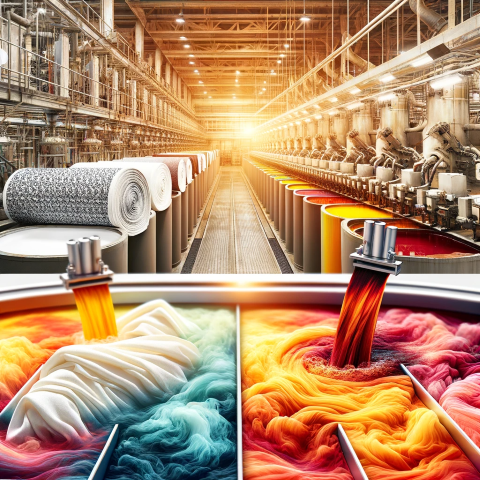
The flash process typically begins with a base fabric made from natural or synthetic fibers. The fabric is carefully prepared to ensure that it is clean, smooth, and free from any defects. Once the fabric is ready, a metallic or iridescent coating is applied using different methods, such as screen printing, roller coating, or spraying.
The metallic or iridescent coating used in the flash process is often made from a combination of pigments, binders, and additives. These formulations are carefully selected to achieve the desired reflective effect and to ensure good adhesion to the fabric surface. The coating can be composed of various materials, including metallic powders like aluminum, copper, or bronze, as well as synthetic materials like pearlescent pigments or holographic films.
During the flash application, the fabric is exposed to heat or pressure, which helps in bonding the coating to the fabric fibers. The temperature and pressure settings are carefully controlled to prevent damage to the fabric while ensuring proper adhesion of the coating. Once the coating is applied, the fabric is usually cured or dried to set the finish permanently.
Flash finishes offer a range of aesthetic possibilities. Metallic flash coatings create a mirror-like shine, resembling the appearance of metal surfaces. Iridescent flash coatings, on the other hand, produce a multi-colored or rainbow effect, depending on the angle of light reflection. This iridescence adds depth and dimension to the fabric, making it visually captivating.
Flash finishes are commonly used in various textile applications, including apparel, accessories, and home furnishings. In the fashion industry, flash fabrics are popular for evening wear, formal attire, and decorative trims. They add a luxurious touch to garments, catching the light and creating a striking visual impact. Flash finishes are also utilized in interior design for upholstery fabrics, draperies, and decorative accents, enhancing the overall aesthetic appeal of living spaces.
When it comes to top users or manufacturers of flash textiles, several renowned fashion brands and textile companies excel in producing these glamorous fabrics. Some notable names include:
Chanel: The French fashion house is known for its exquisite use of flash finishes in its collections. Chanel incorporates metallic flash fabrics in their haute couture garments and accessories, elevating their designs with a touch of opulence.
Versace: This Italian luxury brand frequently incorporates flash finishes in its fashion collections. Versace's iconic designs often feature metallic flash fabrics, enhancing their bold and vibrant aesthetic.
Maharam: As a leading textile manufacturer, Maharam offers a wide range of flash finishes for interior design applications. Their innovative use of metallic and iridescent coatings has made them a trusted supplier for designers and architects worldwide.
Swarovski: Renowned for its high-quality crystals, Swarovski also produces flash fabrics that incorporate their signature sparkle. Their fabrics are sought after by fashion designers and costume makers who aim to add a touch of glamour and brilliance to their creations.
These are just a few examples of the top users and manufacturers of flash textiles. However, the popularity and demand for flash finishes have led to their adoption by numerous other fashion brands, textile mills, and fabric suppliers across the globe. The versatility and visual impact of flash fabrics continue to inspire designers and attract fashion-conscious consumers who appreciate the allure and sophistication they bring to textile products.