Share on X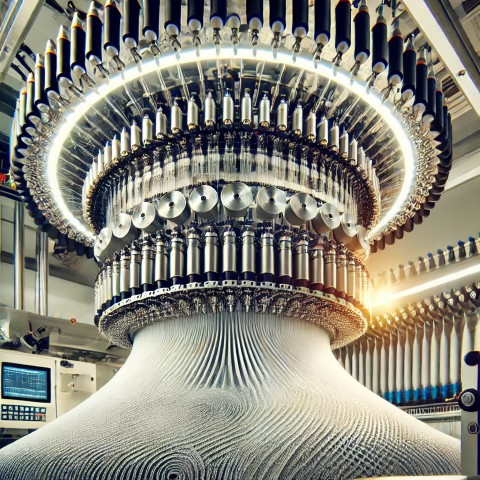
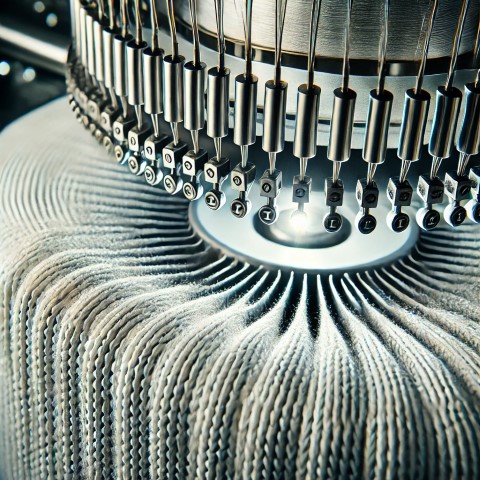
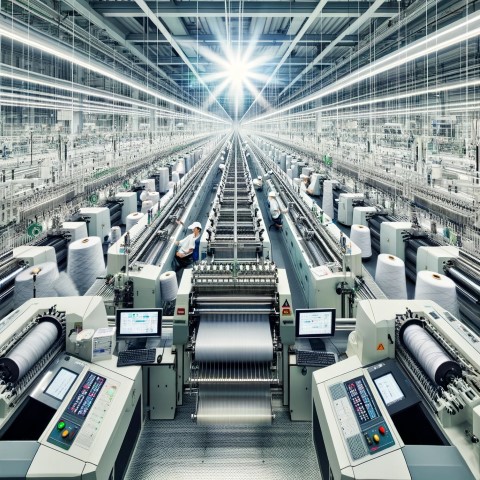
A garment length knitting machine is a specialized type of knitting machine used in the textile industry to produce seamless garments of various lengths. Unlike traditional knitting machines that produce fabric in rolls or panels, garment length knitting machines are designed to knit continuous tubes of fabric that can be cut and shaped into specific garment pieces without the need for additional sewing.
The main advantage of garment length knitting machines is their ability to create seamless garments, eliminating the need for side seams or other sewn joints. This not only simplifies the manufacturing process but also enhances the comfort and aesthetic appeal of the finished garments. Additionally, the absence of seams reduces the likelihood of fabric fraying or unraveling, resulting in more durable and long-lasting garments.
Garment length knitting machines typically employ circular knitting techniques, utilizing a cylinder and a set of needles arranged in a circular configuration. The cylinder rotates while the needles move up and down, interlocking yarn to form the fabric tube. The machine can be programmed to knit different stitch patterns, textures, and designs, allowing for a wide range of garment styles to be produced.
The top users and manufacturers of garment length knitting machines include both large-scale textile manufacturers and specialized knitting machine companies. One prominent manufacturer in this field is Shima Seiki, a Japanese company known for its innovative knitting technologies. Shima Seiki has developed a range of garment length knitting machines under its Wholegarment® brand. Their machines are widely used by fashion brands and textile mills around the world to produce high-quality seamless garments.
Stoll, a German knitting machine manufacturer, is another key player in the garment length knitting machine market. Their machines are renowned for their precision, versatility, and automation capabilities. Stoll's garment length knitting machines offer advanced features such as multi-gauge knitting, variable stitch density, and intricate pattern programming options, making them highly sought after by luxury fashion brands and high-end knitwear manufacturers.
Leading fashion brands and designers also utilize garment length knitting machines to create unique and exclusive collections. These brands often collaborate with textile manufacturers and knitting machine companies to develop custom fabrics and designs. Examples of such brands include Missoni, a renowned Italian fashion house known for its vibrant knitwear, and Alexander Wang, an American designer celebrated for his avant-garde knit pieces.
The adoption of garment length knitting machines has also gained momentum in the athleisure and sportswear industries. Manufacturers catering to this market, such as Nike and Adidas, embrace the seamless construction made possible by these machines to create functional and stylish activewear. The absence of seams enhances the comfort and flexibility of the garments, aligning with the requirements of athletes and active individuals.
In recent years, advancements in knitting machine technology have further expanded the capabilities of garment length knitting machines. Digital knitting machines, equipped with computerized controls and sophisticated programming software, offer increased precision, speed, and customization options. These machines enable designers and manufacturers to create intricate patterns, gradient color effects, and even 3D textures within the seamless fabric, pushing the boundaries of knitwear design and production.
In summary, a garment length knitting machine is a specialized knitting machine used to produce seamless garments of varying lengths. Its main advantage lies in the ability to create seamless tubes of fabric, eliminating the need for sewing and enhancing comfort and durability. Prominent manufacturers such as Shima Seiki and Stoll cater to the demand for these machines, serving top fashion brands, textile manufacturers, and sportswear companies. As technology continues to evolve, garment length knitting machines are expected to play a significant role in the future of textile manufacturing, enabling more innovative and efficient production of seamless garments.