Share on X
Handle in the Textile Industry: A Comprehensive Overview
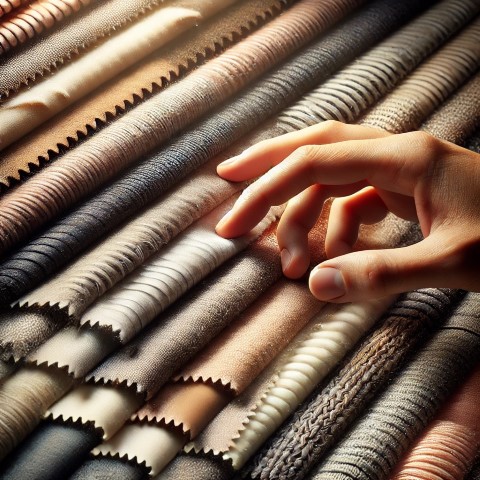
The concept of "handle" in textiles refers to the subjective tactile properties of fabrics, encompassing qualities such as roughness, smoothness, pliability, and thickness. These qualities, though subjective, significantly influence consumers’ perceptions and preferences, playing a critical role in textile production and product differentiation. The handle of a textile product is assessed by touch, and the interpretation of its quality may vary between individuals, reflecting differences in sensory perception and cultural contexts. This article provides an in-depth exploration of handle in textiles, including its components, evaluation techniques, factors influencing it, and implications for textile production and marketing. It highlights the subjective nature of handle, while also examining scientific methods for its measurement.
Components of Handle in Textiles
The term handle in textiles refers to the way a fabric feels when touched and manipulated, which is a critical factor in determining its suitability for various applications, such as clothing, upholstery, or technical textiles. Handle encompasses a wide range of sensory attributes that, when combined, define the overall tactile experience of a fabric. These attributes include:
-
Smoothness:
- Refers to the lack of surface friction.
- Fabrics like silk and satin are typically described as smooth.
- Smooth fabrics are associated with luxury and high-end products.
-
Roughness:
- Characterized by increased surface friction and texture.
- Rough fabrics, such as coarse wool, evoke perceptions of warmth and durability.
- Often preferred for winter clothing or utilitarian products.
-
Pliability and Flexibility:
- Measure the ease with which a fabric can bend or fold.
- Fabrics with high pliability are comfortable for garments requiring movement, such as sportswear.
- Low pliability fabrics are useful for structural applications like upholstery.
-
Thickness:
- Relates to the density and volume of fabric material.
- Thicker fabrics suggest warmth and insulation.
- Thin fabrics, such as chiffon, convey lightness and delicacy.
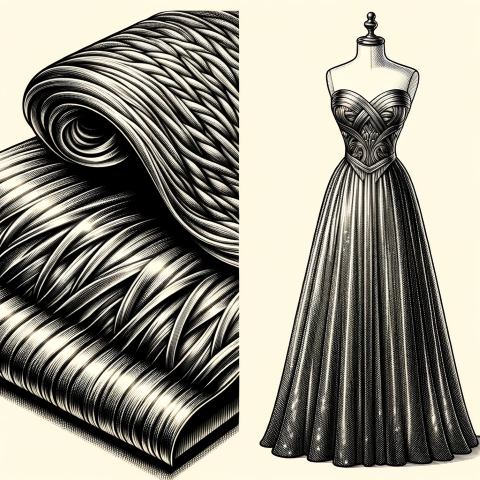
These properties work in tandem to influence not only the physical sensation of the fabric but also its aesthetic appeal and functional performance. For example, a fabric that is both smooth and flexible might be chosen for a flowing evening gown, whereas a thick and slightly rough fabric might be perfect for a durable winter coat. Understanding these elements of handle allows designers and manufacturers to select and create textiles that meet specific needs and preferences, ultimately enhancing the user experience.
Evaluation Techniques for Handle in Textiles
Understanding and evaluating the "handle" of textiles is a complex process that involves both subjective and objective techniques. The term "handle" refers to the qualities and characteristics of a fabric as perceived by the sense of touch. It includes aspects such as softness, smoothness, flexibility, and weight that contribute to the overall feel of the textile material.
-
Subjective Evaluation Techniques:
- Conducted by experienced professionals trained to assess fabrics by touch.
- Methods include sensory panels where evaluators provide scores based on fabric attributes.
- Subjective techniques capture nuances of human perception but can be influenced by bias.
-
Objective Evaluation Techniques:
- Use instruments like Kawabata Evaluation System (KES) to quantify fabric properties.
- Mechanical devices measure parameters such as tensile strength, compressibility, and bending rigidity.
- Objective evaluations enable consistency in production and product quality control.
The evaluation of handle in textiles benefits from a balanced use of both subjective and objective techniques. While subjective evaluations provide insights into human preferences and comfort, objective methods offer precise and consistent measurements that enhance our understanding of fabric properties. Combining these approaches allows for a comprehensive assessment that meets both consumer expectations and industry standards.
Factors Influencing Handle
The term "handle" in textile materials refers to the tactile qualities and the overall feel of a fabric when it is touched. Understanding this concept is crucial for both manufacturers and consumers, as it affects the perceived quality and usability of the fabric for various applications. Several factors play a significant role in influencing the handle of textile materials, each contributing to the unique characteristics of the fabric.
-
Fiber Type:
- Natural fibers like cotton and wool have unique tactile properties.
- Synthetic fibers, such as polyester, can be engineered for specific handle characteristics.
-
Fabric Construction:
- Woven fabrics tend to have a different handle from knitted fabrics.
- The density and tightness of the weave influence fabric stiffness and smoothness.
-
Finishing Processes:
- Treatments like mercerization enhance the smoothness of cotton fabrics.
- Fabric softeners and chemical treatments modify the tactile properties for better consumer appeal.
The handle of textile materials is a complex attribute influenced by a combination of fiber type, fabric construction, and finishing processes. Each of these factors adds a layer of complexity to the fabric's overall feel, ultimately affecting its suitability for different uses and the consumer's experience. Understanding these elements can help in selecting the right fabric for specific needs and ensuring satisfaction with the textile products.
The Role of Handle in Product Development and Marketing
The concept of "handle" is often pivotal in the realm of textile product development and the marketing strategies employed by brands aiming to capture consumer interest. Handle refers to the tactile qualities of a fabric—essentially, how it feels to the touch. This encompasses a variety of sensory attributes such as softness, smoothness, flexibility, and weight, which collectively determine the overall perception of the material when handled by a consumer.
- Product Development:
- Designers and manufacturers meticulously select materials to achieve the desired handle.
- Specific treatments are applied to enhance tactile qualities.
- Luxury apparel might focus on a soft, silky feel to convey elegance.
- Outdoor gear prioritizes durability and a firmer handle to withstand the elements.
- Marketing Perspective:
- Handle influences consumer preferences and purchasing decisions.
- Consumers associate the feel of a product with its quality.
- Brands use handle as a key differentiator in advertising.
- Campaigns might highlight the softness of cashmere or the crispness of cotton.
- Brand Differentiation:
- Handle is essential in brand differentiation strategies.
- Companies aim to set products apart through tactile experience.
- Unique handle resonates with target audiences, fostering loyalty.
Handle is more than just a functional aspect of textile products—it is a significant factor in shaping consumer perceptions and driving brand success. By carefully considering and strategically utilizing the handle, companies can effectively develop products that not only meet practical needs but also delight the senses, thereby strengthening their position in the marketplace.
The Importance of Handle in the Textile Industry
Handle is a fundamental element within the textile industry, playing a pivotal role in shaping both the production processes and the perceptions held by consumers. This multifaceted concept refers to the tactile qualities of a fabric, which include characteristics such as smoothness, roughness, thickness, and flexibility. The handle of a fabric is something that is often evaluated through a combination of subjective assessments by experienced professionals who possess a nuanced understanding of textiles, and objective measurements that are conducted using sophisticated mechanical instruments designed to quantify these tactile attributes.
The factors that influence the handle of a fabric are diverse and include the type of fiber used, the construction of the fabric, and the finishing processes it undergoes. Each of these elements must be meticulously considered by textile manufacturers, as they play a crucial role in determining the ultimate feel and performance of the textile product. The significance of handle extends well beyond its immediate tactile experience; it is a critical determinant in shaping consumer preferences, serving as a key differentiator between brands, and guiding product development strategies.
Moreover, the importance of handle is not confined to individual experiences; it has a profound impact on broader market trends. The textile industry is continuously engaged in exploring and implementing innovative technologies aimed at enhancing fabric handle. This pursuit is driven by a need to meet and exceed evolving consumer expectations, which are increasingly demanding in terms of comfort, functionality, and aesthetic appeal. By gaining a deep understanding of handle and optimizing it effectively, companies in the textile industry can create products that are perfectly aligned with market demands. This alignment not only ensures long-term success but also enhances customer satisfaction, fostering brand loyalty and encouraging repeat purchases.
Handle is a vital component of the textile industry that influences both the production and perception of textile products. Its comprehensive evaluation requires a blend of subjective expertise and objective analysis, with numerous factors contributing to its final manifestation. As the industry advances, continuing to innovate and improve fabric handle will remain essential for satisfying the sophisticated tastes of consumers and achieving sustained competitive advantage in the marketplace.