Share on X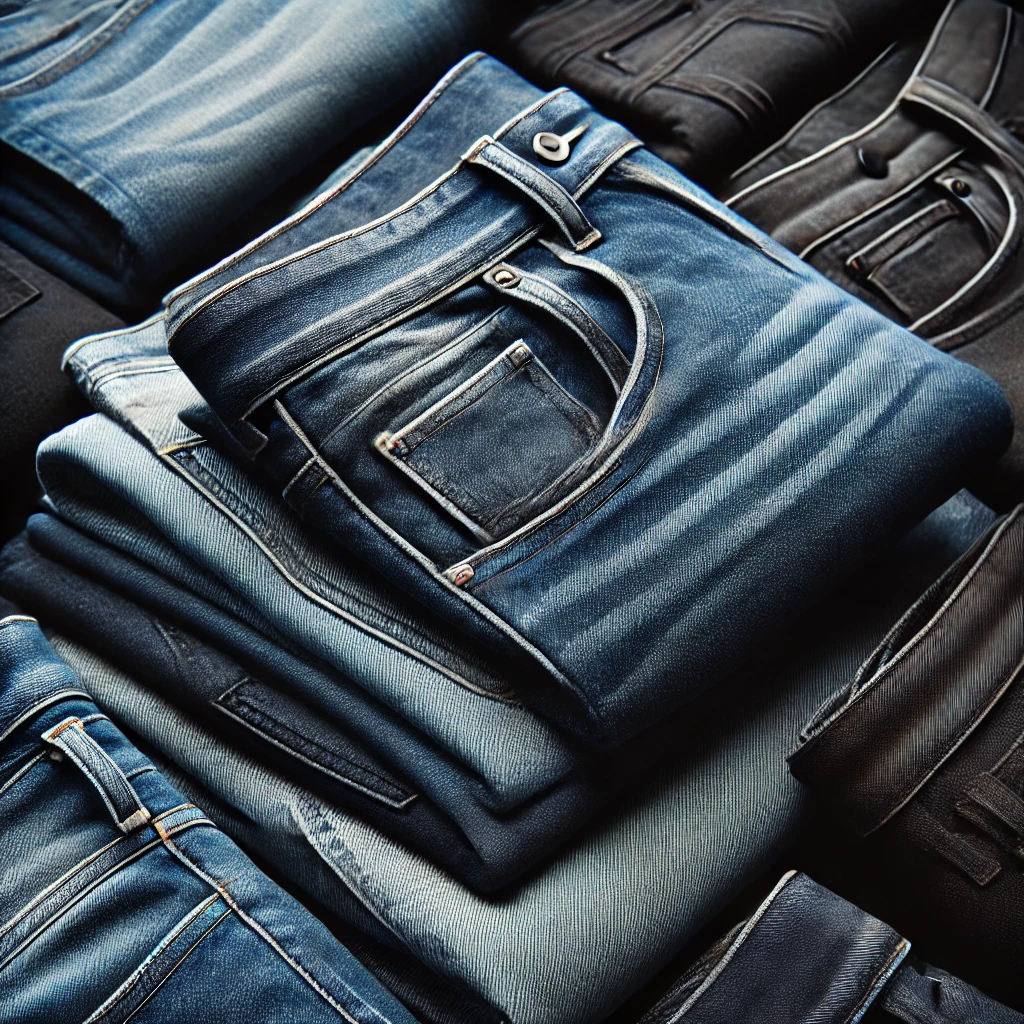
Understanding Jeans: A Comprehensive Guide to This Iconic Garment
Jeans are one of the most popular and enduring garments in fashion history, known for their versatility, durability, and timeless appeal. Originating as workwear in the late 19th century, jeans have evolved into a global fashion staple, worn by people of all ages and backgrounds. This article provides an in-depth exploration of jeans, focusing on their history, materials, manufacturing processes, types, and cultural significance. The objective is to offer a comprehensive guide that caters to textile industry professionals, fashion enthusiasts, and consumers who seek a deeper understanding of this iconic piece of clothing.
The History of Jeans
The history of jeans dates back to the late 1800s when they were originally designed as durable workwear for miners and laborers.
- Levi Strauss and Jacob Davis: In 1873, Levi Strauss, a German immigrant, partnered with tailor Jacob Davis to create sturdy pants reinforced with rivets. This collaboration led to the invention of blue jeans, which quickly gained popularity among workers for their durability.
- From Workwear to Fashion Icon: By the mid-20th century, jeans transitioned from functional workwear to a symbol of youth rebellion and casual fashion, particularly in the United States. Over time, they became a fashion staple worldwide, available in various styles and fabrics.
Materials Used in Jeans
Jeans are primarily made from denim, a sturdy cotton twill fabric that has been used in garment production for centuries. Several key materials contribute to the durability and comfort of jeans.
- Denim: The most common fabric used in jeans, denim is woven with indigo-dyed warp yarns and undyed weft yarns, creating a durable yet flexible material. Traditional denim is made from 100% cotton, although modern versions may include synthetic fibers for added stretch and comfort.
- Selvedge Denim: A premium form of denim that features tightly woven edges (selvedges), which prevent fraying and increase the fabric's durability.
- Raw Denim: Also known as "dry" denim, raw denim has not been pre-washed, allowing the wearer to break in the jeans over time and create a unique, personalized fit.
- Stretch Denim: A blend of cotton and synthetic fibers such as elastane or spandex, stretch denim provides additional flexibility and comfort, making it ideal for modern styles like skinny jeans.
Types of Jeans
Jeans come in a wide range of styles, cuts, and fits, each designed to suit different body types, fashion trends, and personal preferences.
- Description: A classic style, straight-leg jeans have a consistent width from the thigh to the ankle, creating a balanced silhouette.
- Ideal For: Those looking for a timeless, versatile style that can be dressed up or down.
2. Skinny Jeans
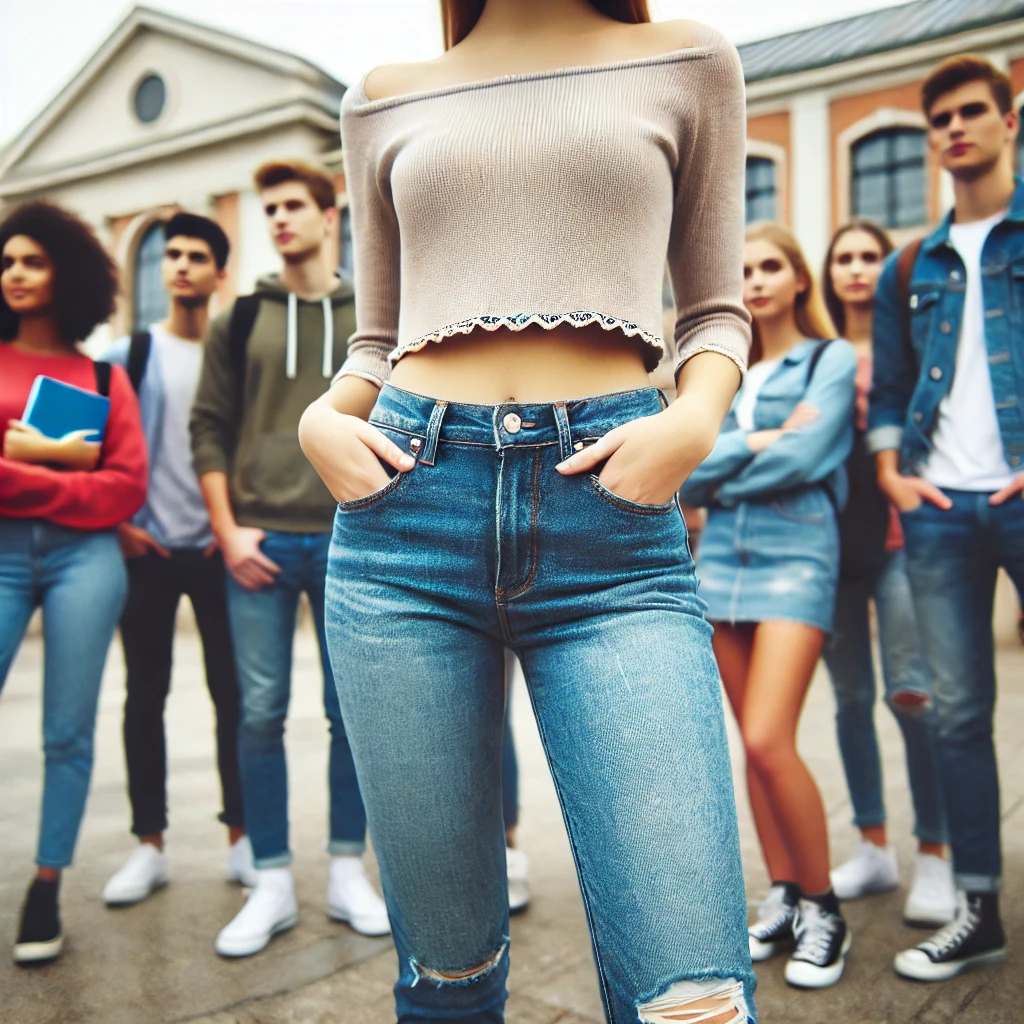
- Description: Skinny jeans are fitted closely to the body from the waist to the ankle, providing a sleek, modern look.
- Ideal For: Those who prefer a form-fitting style with a contemporary, streamlined appearance.
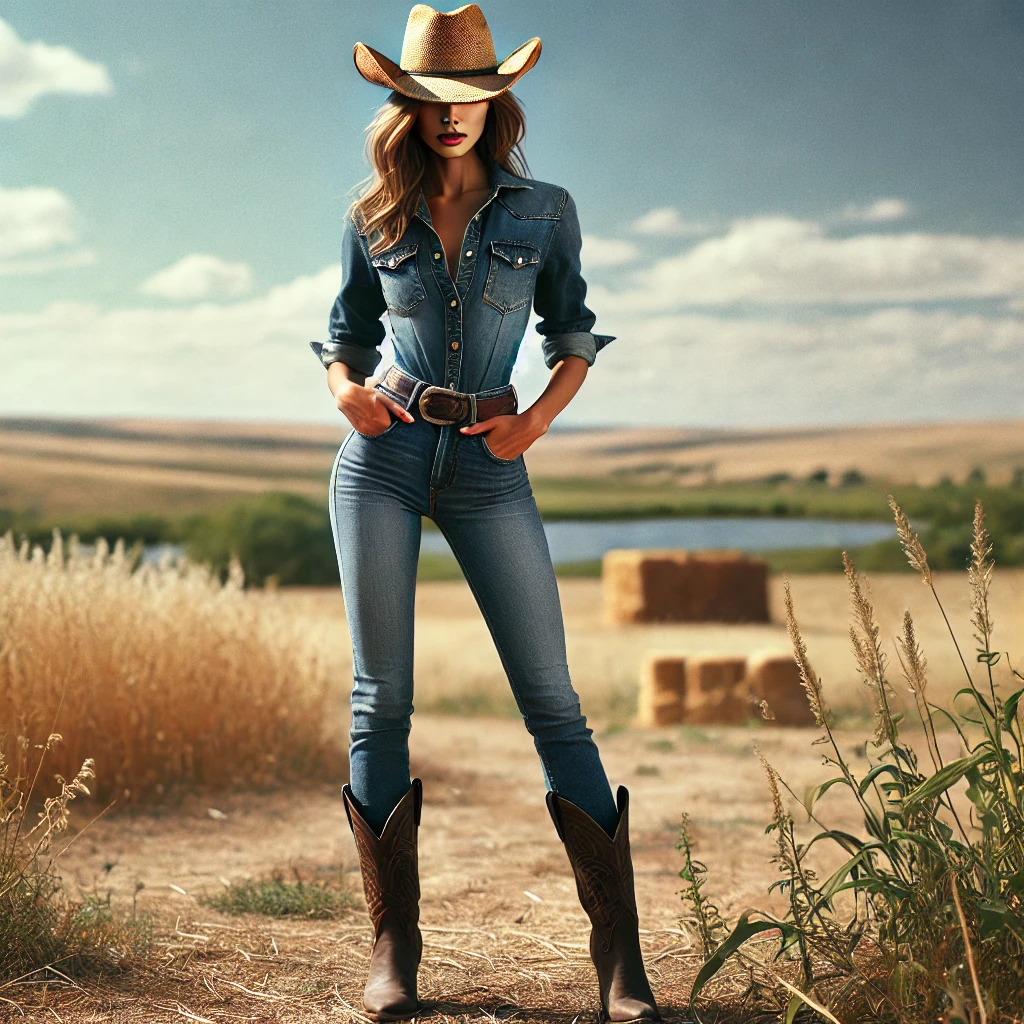
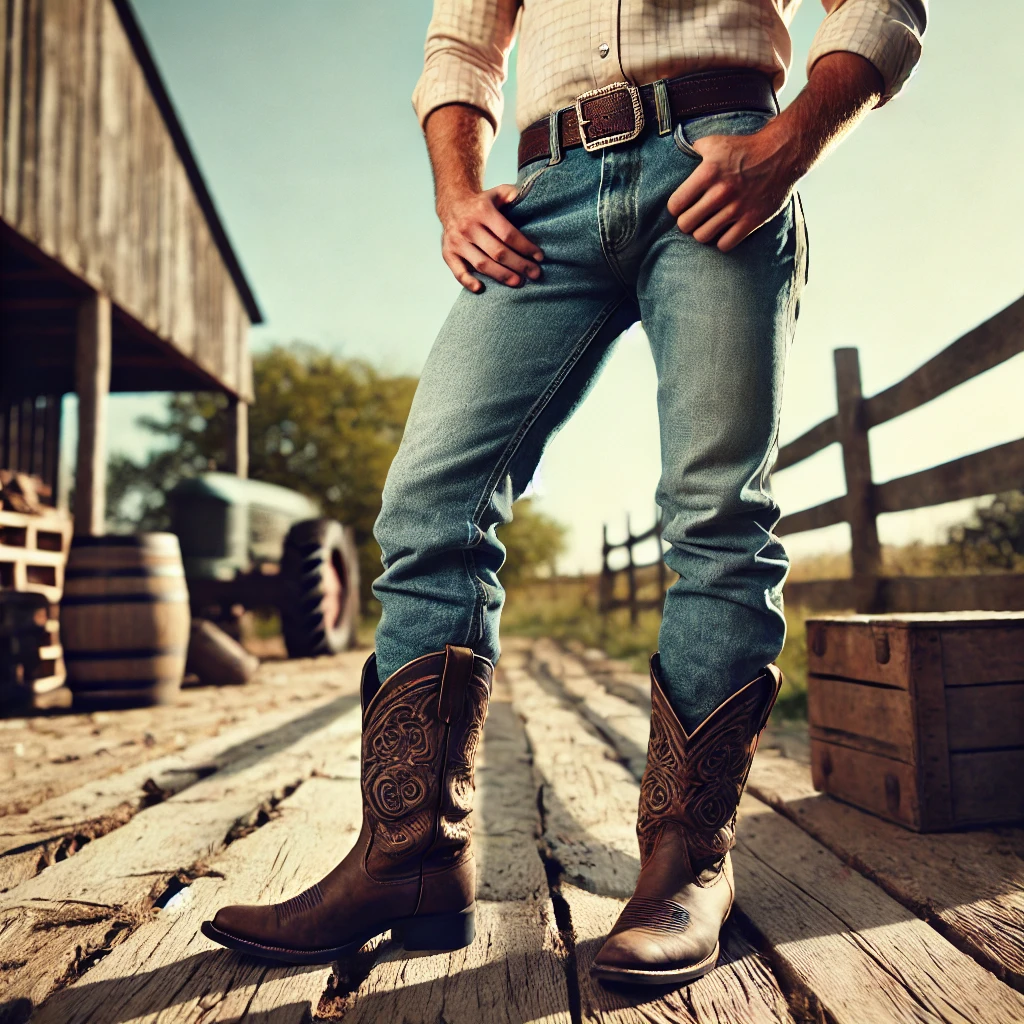
- Description: Bootcut jeans are fitted through the thighs and flare out slightly at the ankle, making them ideal for wearing over boots.
- Ideal For: Individuals seeking a balance between slim and flared styles, often favored in casual and country-inspired fashion.
4. Flared Jeans
- Description: Popularized in the 1970s, flared jeans feature a dramatic widening from the knee down, creating a bell-bottom silhouette.
- Ideal For: Fashion-forward individuals who enjoy retro-inspired styles.
- Description: These jeans sit above the natural waistline, offering a flattering fit that accentuates the waist.
- Ideal For: Those who want a vintage-inspired look with a figure-enhancing fit.
- Description: A relaxed, loose-fitting style, boyfriend jeans offer a casual, comfortable look with a slightly oversized silhouette.
- Ideal For: Those who prefer a laid-back, effortless style that emphasizes comfort.
Manufacturing Process of Jeans
The process of manufacturing jeans involves several key stages, each of which contributes to the final product's durability, fit, and appearance.
- Cotton Sourcing: The production of jeans begins with sourcing high-quality cotton, which is then spun into yarn.
- Weaving: The yarn is woven into denim fabric, often using a twill weave to create the characteristic diagonal ribbing of denim.
- Dyeing: Denim is traditionally dyed with indigo, giving it its deep blue color. The fabric can also be dyed in other colors, depending on fashion trends.
- Cutting and Sewing: The denim fabric is cut into individual panels, which are sewn together to create the structure of the jeans.
- Washing and Finishing: Most modern jeans undergo various finishing processes, such as washing, sanding, and distressing, to achieve different looks and textures.
Cultural Significance of Jeans
Jeans have transcended their origins as workwear to become a powerful cultural symbol across various social and political movements.
- Symbol of Rebellion: In the 1950s and 1960s, jeans became a symbol of rebellion and counterculture, popularized by icons such as James Dean and Marlon Brando.
- Global Fashion Staple: By the 1980s and 1990s, jeans had solidified their place as a global fashion staple, with designers experimenting with new styles, fits, and finishes to meet evolving consumer demands.
- Sustainability Movement: In recent years, the denim industry has embraced sustainable practices, with brands focusing on eco-friendly materials, water conservation, and ethical labor practices to reduce the environmental impact of jeans production.
Environmental Impact of Jeans Production
The production of jeans, particularly in terms of water usage and chemical treatments, has raised concerns regarding environmental sustainability.
- Water Consumption: Denim production requires a significant amount of water, from growing the cotton to washing and finishing the fabric.
- Chemical Usage: The use of dyes and finishing chemicals can lead to pollution if not managed properly, prompting a shift towards more eco-friendly production methods.
- Sustainable Practices: Many brands are adopting sustainable practices, such as using organic cotton, recycled materials, and water-saving technologies, to reduce the environmental footprint of jeans.
Care and Maintenance of Jeans
Proper care and maintenance are essential for extending the lifespan of jeans and maintaining their appearance.
- Washing: It is recommended to wash jeans sparingly to preserve their color and shape. When washing, turn them inside out and use cold water to minimize fading.
- Drying: Air drying is preferable to machine drying, as it helps prevent shrinkage and preserves the fabric's integrity.
- Storage: Store jeans folded or hung to maintain their shape and avoid unnecessary creasing.
Major International Manufacturers and Users of Jeans in the Textile Industry
The global jeans market is dominated by companies that prioritize innovation, sustainability, and quality. Levi Strauss & Co., Wrangler, H&M Group, PVH Corp., and Diesel are five key players that have shaped the jeans industry over decades. These companies are not only recognized for their rich heritage and product innovation but also for their efforts to adopt sustainable practices in denim production. Whether through water-saving technologies, sustainable cotton sourcing, or recycling initiatives, these brands are working towards reducing their environmental impact while maintaining the high standards of quality that consumers expect.
As the demand for sustainable fashion continues to grow, these companies are at the forefront of the movement, leading the industry toward a more responsible future. Their global reach and strong market presence ensure that jeans remain an essential and adaptable part of modern wardrobes, appealing to diverse consumers across various regions and demographics. By focusing on eco-friendly manufacturing processes and ethical sourcing, these industry leaders are setting a benchmark for the future of denim production.
- Headquarters: San Francisco, California, USA
- Overview: Founded in 1853, Levi Strauss & Co. is widely regarded as the pioneer of jeans manufacturing. The company introduced blue jeans to the world and remains a global leader in the denim industry.
- Product Range: Levi's offers a wide variety of jeans, including their iconic 501® Original Fit, as well as modern styles such as skinny, straight, and bootcut jeans.
- Sustainability Initiatives:
- Water<Less® Technology: This innovation reduces water usage during the finishing process.
- Cotton Sourcing: Levi's has committed to sourcing 100% sustainably grown cotton by 2025, primarily through the Better Cotton Initiative (BCI).
- Recycling Programs: Levi's encourages customers to recycle old jeans and other clothing through their in-store recycling program.
- Global Reach: Levi Strauss & Co. operates in over 110 countries, with a significant presence in retail stores and e-commerce platforms.
- Headquarters: Greensboro, North Carolina, USA
- Overview: Wrangler, founded in 1947, is a brand synonymous with rugged, durable jeans. Known for their cowboy culture associations, Wrangler jeans are designed for functionality and comfort.
- Product Range: Wrangler offers a variety of jeans, including the original fit Wrangler Western jeans, along with contemporary fits for casual wear.
- Sustainability Initiatives:
- Indigood™ Foam-Dyeing Process: This eco-friendly dyeing process reduces water use by up to 100% and reduces energy use and waste.
- Sustainable Cotton: Wrangler sources cotton from sustainable and ethically responsible farms.
- Conservation Efforts: Wrangler partners with conservation organizations to promote soil health and sustainable farming practices.
- Global Presence: Wrangler has a strong market presence across North America, Europe, and parts of Asia, with a focus on retail and online sales.
3. H&M Group
- Headquarters: Stockholm, Sweden
- Overview: H&M Group is a multinational retailer offering fast fashion products, including jeans, through its numerous global brands. It is known for its affordable pricing and commitment to sustainability in textile production.
- Product Range: H&M provides a broad range of denim products, including skinny, slim-fit, high-waisted, and boyfriend jeans for men, women, and children.
- Sustainability Initiatives:
- Conscious Collection: The brand's Conscious Collection includes jeans made from organic cotton, recycled denim, and other eco-friendly materials.
- Water-Saving Technology: H&M uses techniques that reduce water consumption during the denim washing process.
- Circular Fashion: H&M promotes recycling through its garment collection initiative, encouraging customers to return used clothing for recycling or reuse.
- Global Reach: H&M operates in over 70 markets globally, with a significant presence in retail stores and a strong online platform.
4. PVH Corp. (Tommy Hilfiger and Calvin Klein)
- Headquarters: New York, New York, USA
- Overview: PVH Corp. is a global apparel company that owns iconic brands like Tommy Hilfiger and Calvin Klein, both of which are known for their premium denim products.
- Product Range:
- Tommy Hilfiger: Offers a range of denim jeans, including classic and trendy cuts like skinny, straight, and bootcut styles.
- Calvin Klein: Known for its high-quality denim, Calvin Klein features minimalistic designs with a focus on contemporary fits and finishes.
- Sustainability Initiatives:
- Sustainable Cotton: PVH is committed to sourcing 100% sustainable cotton by 2025.
- Circularity Goals: The company is working toward developing circular denim production, focusing on recycling and reducing waste.
- Zero-Waste Initiatives: PVH aims to eliminate hazardous chemicals from the production process by 2025 and is actively reducing water usage in denim finishing.
- Global Reach: PVH Corp. operates across more than 40 countries, with significant market share in both the premium denim and lifestyle apparel segments.
- Headquarters: Breganze, Italy
- Overview: Diesel is an Italian fashion brand known for its high-end, edgy denim collections. Founded in 1978 by Renzo Rosso, Diesel is a trendsetter in the luxury denim market.
- Product Range: Diesel's collection includes a wide variety of denim styles, from classic straight-leg to avant-garde cuts, featuring distressed finishes and bold designs.
- Sustainability Initiatives:
- Diesel Upcycling For (DUFOR): A program designed to upcycle old denim pieces and repurpose them into new collections.
- Sustainable Collection: Diesel's "For Responsible Living" initiative focuses on creating denim with reduced environmental impact, including the use of organic cotton and low-water dyeing techniques.
- Transparency: Diesel provides transparency regarding its supply chain and environmental impact, with a focus on reducing carbon emissions and water usage.
- Global Reach: Diesel has a presence in over 80 countries, with flagship stores in major cities around the world, catering to luxury denim consumers.
Embracing the Timeless Appeal of Jeans
Jeans have maintained their status as a wardrobe essential for over a century, evolving with fashion trends while retaining their core attributes of durability and comfort. From their humble beginnings as workwear to their place in high fashion, jeans have become synonymous with style, versatility, and resilience. The variety of styles available today, from classic straight-leg jeans to contemporary skinny and flared options, ensures that jeans remain relevant for every generation and occasion.
As the denim industry continues to innovate, the focus on sustainability and ethical production has become increasingly important. Brands are now embracing eco-friendly materials and practices, ensuring that jeans are not only fashionable but also environmentally responsible. This shift towards sustainability reflects the growing consumer demand for clothing that aligns with ethical and environmental values, without sacrificing style or quality.
In summary, jeans represent more than just a piece of clothing—they are a cultural icon that has shaped fashion history and continues to influence global trends. With their wide range of styles, materials, and finishes, jeans are a versatile garment that transcends social and cultural boundaries. Whether worn for work, leisure, or fashion, jeans remain a timeless staple, blending form and function in a way that few other garments can match. As the industry moves towards more sustainable practices, the future of jeans looks bright, offering both style and responsibility to consumers worldwide.