
This fiber is made from the wood pulp cellulose of such hardwood trees as birch, oak, or eucalyptus, and is typically classified as a fiber cousin to rayon. Lyocell shares many properties with other cellulosic fibers such as cotton, linen, ramie and rayon. Some main characteristics of lyocell fibers are that it is soft, absorbent, very strong when wet or dry, and resistant to wrinkles; it can be machine- or hand-washed or drycleaned, it drapes well, and it can be dyed many colors, as well as simulating a variety of textures like suede, leather, or silk. In the United States, it is manufactured by Lenzing, Inc. and marketed under the trademarked brand name Tencel®.
Textile
What is “Lyocell Fiber”
Last updated 19-Jun-2024 (2 years, 3 months, 11 days ago)
Share on Facebook Share on X
Share on X
This fiber is made from the wood pulp cellulose of such hardwood trees as birch, oak, or eucalyptus, and is typically classified as a fiber cousin to rayon. Lyocell shares many properties with other cellulosic fibers such as cotton, linen, ramie and rayon. Some main characteristics of lyocell fibers are that it is soft, absorbent, very strong when wet or dry, and resistant to wrinkles; it can be machine- or hand-washed or drycleaned, it drapes well, and it can be dyed many colors, as well as simulating a variety of textures like suede, leather, or silk. In the United States, it is manufactured by Lenzing, Inc. and marketed under the trademarked brand name Tencel®.
Additional definition by Kavya Iyer
Lyocell Fiber
A manufactured fiber composed of regenerated cellulose. Lyocell has a similar hand and drape as rayon, but is stronger, more durable, and in many cases machine washable. It has a subtle luster and is rich in color. Lyocell possesses low shrinkage characteristics, as well as good absorbency and wrinkle resistant qualities.
Note: This content is for informational purposes only. Please read our full disclaimer for more details.
Some more terms:
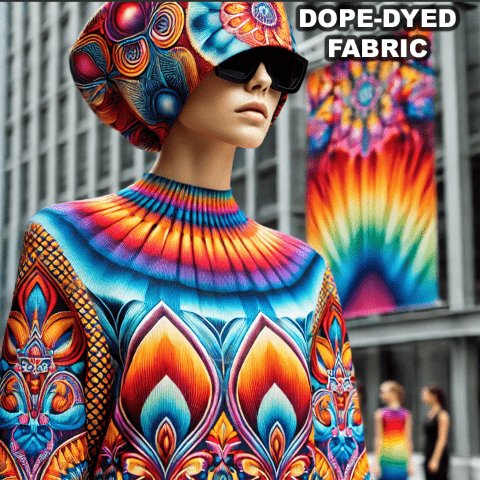
Discover Dope-Dye: Revolutionizing Synthetic Fiber Coloring with Eco Benefits
17-May-2024 • by Ishita Vaidya
Textile
Dope-dye, also known as solution dyeing or mass pigmentation, is a process used in the textile industry to color synthetic fibers before they are spun into yarn. This method of dyeing is different...
Read about Dope-dye
Deluxing Explained: Elevate Your Fabric's Appearance with Advanced Techniques
30-Jul-2024 • by Tanya Bhatt
Textile
Deluxing Process: Discover How It Enhances Textile Quality and Durability Deluxing is a process used in the textile industry to enhance the appearance of finished textile products. It involves the...
Read about Deluxing
Stretch in Weft Yarns: Enhancing Comfort and Flexibility in Woven Fabrics
12-Sep-2024 • by Pooja Jain
Textile
In textile manufacturing, "stretch in weft" refers to the ability of a fabric to stretch horizontally across the width of the fabric. It is also known as "crosswise stretch" or "widthwise stretch."...
Read about Stretch in weft
Warp Knit's Web: Textile’s Intricate Dance of Durability and Design
13-Jun-2024 • by Ria Dutta
Textile
Warp Knit: The Weave of Wonders in the Textile Realm When one thinks of knitting, images of intertwined yarns forming fabrics might emerge. However, the technique that encapsulates the essence of...
Read about Warp Knit