Share on X
Marocain, also known as Moroccan crepe, is a type of fabric commonly used in the textile industry. It is known for its unique texture, drape, and versatility. The term "Marocain" originates from the French word for "Moroccan," as this fabric was inspired by traditional Moroccan textiles.
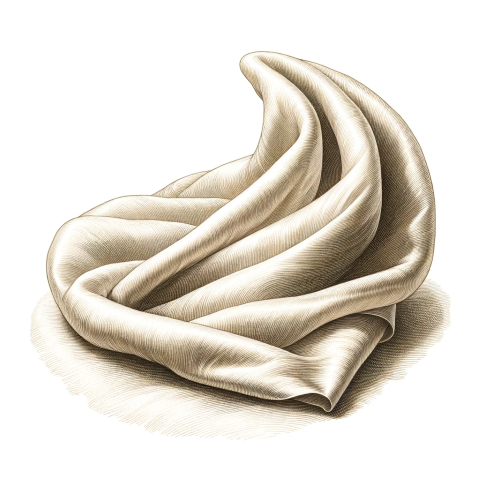
Marocain is a lightweight woven fabric that typically has a crepe-like texture. It is made from various fibers, including silk, polyester, rayon, or a blend of these materials. The fabric is characterized by its subtle grainy texture, which gives it a slightly pebbled or crinkled appearance. This texture is achieved through a special weaving technique or by using twisted yarns during the manufacturing process.
The drape of Marocain fabric is one of its distinguishing features. It has a fluid and elegant quality that allows it to drape beautifully, making it a popular choice for garments that require a flowing and flattering silhouette. The fabric has a moderate amount of body and stiffness, which helps it hold its shape while still maintaining a soft and supple feel.
Marocain fabric is versatile and can be used in a wide range of garments and applications. It is often used in the creation of evening wear, such as dresses, skirts, and tops, due to its luxurious appearance and drape. The fabric's texture adds visual interest to garments, making them stand out. Additionally, Marocain is often used in the production of scarves, accessories, and home decor items like curtains and drapes.
Several renowned fashion designers and luxury brands are known for incorporating Marocain fabric into their collections. The fabric's elegant and sophisticated qualities make it a popular choice among designers who aim to create high-end, glamorous pieces. Some notable users of Marocain fabric include fashion houses like Chanel, Dior, Givenchy, and Valentino.
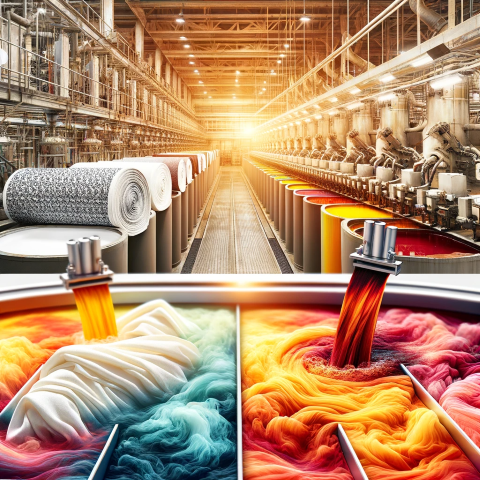
In terms of manufacturers, there are several textile mills and companies that specialize in producing Marocain fabric. These manufacturers have expertise in weaving, dyeing, and finishing the fabric to achieve its desired texture and characteristics. While specific manufacturers may vary over time, some notable names in the industry include Haute Couture Textiles, Ratti, and Gratacós.
Haute Couture Textiles, based in France, is known for producing a wide range of luxury fabrics, including Marocain. Their fabrics are sought after by many high-end fashion brands and designers due to their exceptional quality and craftsmanship. Ratti, an Italian textile company, is another prominent manufacturer known for its exquisite Marocain fabrics. Ratti has a long-standing reputation for producing high-quality textiles, and their Marocain fabrics are highly regarded in the fashion industry. Gratacós, based in Spain, is also renowned for its Marocain fabric offerings. They are known for their innovative designs and exceptional craftsmanship, making their fabrics popular among fashion designers worldwide.
These manufacturers and others like them play a crucial role in the production and supply of Marocain fabric, ensuring that designers have access to high-quality materials to bring their creative visions to life.
In conclusion, Marocain fabric is a lightweight woven material with a distinct crepe-like texture and excellent drape. It is favored by designers and fashion houses for its luxurious appearance and versatility. Renowned fashion brands such as Chanel, Dior, Givenchy, and Valentino often incorporate Marocain fabric into their collections. Manufacturers like Haute Couture Textiles, Ratti, and Gratacós are known for their expertise in producing high-quality Marocain fabrics. With its unique qualities and widespread appeal, Marocain fabric continues to be a popular choice in the textile industry.