Share on X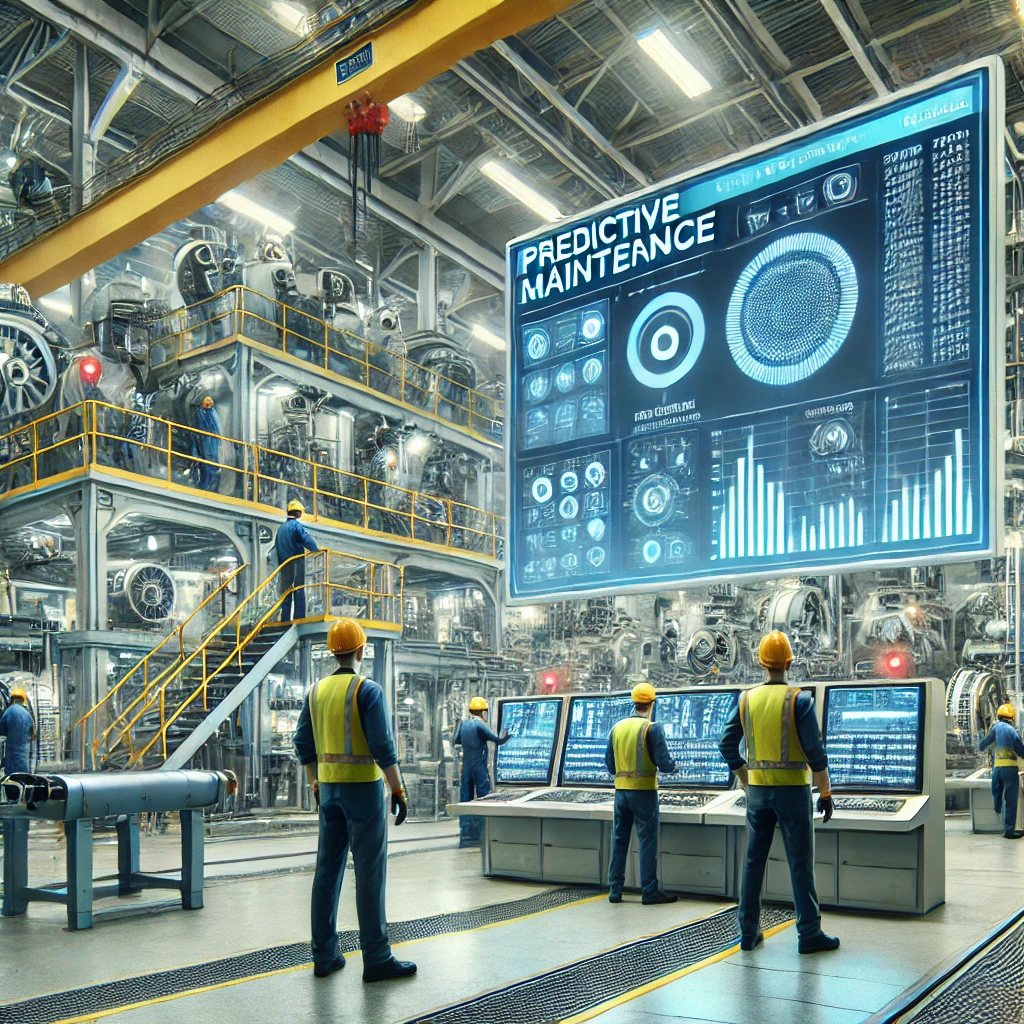

Maximize Efficiency With Predictive Maintenance and Data Analytics
Predictive Maintenance is a proactive approach to equipment management that uses data analytics, machine learning, and sensors to predict when machinery or equipment is likely to fail. By monitoring real-time data and analyzing trends, businesses can anticipate maintenance needs before a breakdown occurs, minimizing downtime and reducing repair costs. This data-driven strategy replaces traditional reactive maintenance, where repairs are only made after equipment failure, and preventive maintenance, where repairs are scheduled at regular intervals regardless of need.
One of the primary benefits of predictive maintenance is its ability to maximize equipment efficiency. Instead of performing maintenance based on fixed schedules or waiting for a breakdown, companies can schedule repairs precisely when needed, extending the lifespan of machinery and reducing unnecessary maintenance costs. This approach is particularly valuable in industries such as manufacturing, transportation, energy, and aviation, where unplanned downtime can result in significant losses.
Predictive maintenance relies on a combination of sensors, data collection, and advanced analytics. Sensors installed in machinery collect data on temperature, vibration, pressure, and other factors. Machine learning algorithms then analyze this data to detect patterns and anomalies that may indicate future failures. The insights generated allow maintenance teams to act before problems escalate, improving overall operational efficiency.
However, implementing predictive maintenance requires an upfront investment in technology, including sensors and analytics tools. Additionally, the system must be fine-tuned to each specific application to avoid false alarms or missed failures. Despite these challenges, the long-term benefits of reduced downtime, cost savings, and optimized operations make predictive maintenance an attractive solution for businesses.