Share on X
Rib weave is a type of textile weave characterized by raised vertical lines or ribs that run parallel to each other across the fabric's width. It is created by alternating raised and lowered warp yarns, resulting in a distinctive ribbed texture. Rib weave is commonly used in the production of various fabrics, including rib-knit fabrics and ribbed jersey fabrics.
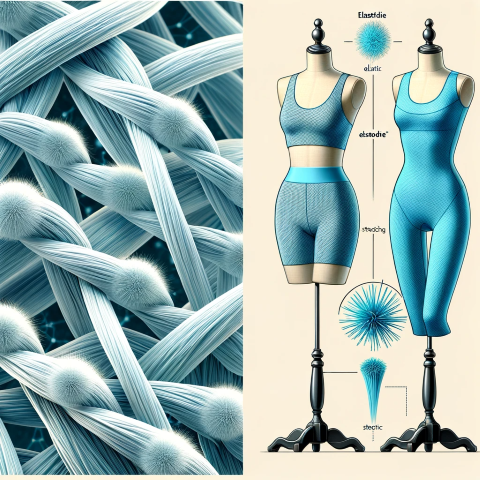
Rib weave is known for its elasticity, as the vertical ribs allow the fabric to stretch and recover easily. This makes it suitable for garments and textiles that require a snug fit, such as ribbed cuffs, collars, and waistbands. The ribbed texture also adds visual interest and dimension to the fabric, enhancing its aesthetic appeal.
Types of Rib Weave
Rib weave can be further categorized into different types based on the number of ribs and the arrangement of the ribs. The common types include:
- 1x1 Rib: In this type, there is one raised rib followed by one lowered space, creating a 1x1 pattern. It is commonly used in the production of rib-knit fabrics and is characterized by excellent stretch and recovery.
- 2x2 Rib: This type consists of two raised ribs followed by two lowered spaces, resulting in a 2x2 pattern. It offers a slightly wider ribbed texture and enhanced elasticity compared to the 1x1 rib.
- 3x1 Rib: The 3x1 rib features three raised ribs followed by one lowered space, creating a distinct pattern. It is often utilized in the production of heavyweight rib-knit fabrics and provides enhanced stability and structure.
- Interlock Rib: Interlock rib weave consists of two layers of ribbed fabric that are interlocked together. It offers a more stable and structured construction compared to single-layer rib weaves.
Top International Users and Manufacturers
Rib weave fabrics are widely used by various international brands known for their expertise in producing high-quality garments. Here are some of the top users and manufacturers:
- Hanes: Hanes, a renowned apparel brand, incorporates rib weave fabrics into its product lines, including underwear, t-shirts, and activewear, offering comfort and a secure fit.
- Uniqlo: Uniqlo, a global fashion retailer, utilizes rib weave fabrics in their collections, particularly for basic wardrobe staples such as sweaters, cardigans, and leggings, providing a comfortable and stylish option for everyday wear.
- GAP: GAP, a popular clothing brand, features rib weave fabrics in their apparel range, including tops, dresses, and loungewear, combining versatility and stretch for a comfortable fit.
- Tommy Hilfiger: Tommy Hilfiger incorporates rib weave fabrics in their collections, offering a combination of classic design and modern comfort in garments such as polo shirts, sweaters, and knitwear.
- Ralph Lauren: Known for their timeless designs, Ralph Lauren incorporates rib weave fabrics in their clothing lines, creating fitted and sophisticated garments, including shirts, dresses, and skirts.
- ASOS: ASOS, an online fashion retailer, features rib weave fabrics in their trendy and diverse clothing range, providing customers with fashionable options that combine style and comfort.
Tips in Handling Rib Weave Fabrics
When working with rib weave fabrics, it is essential to consider the following tips:
- Pre-washing: It is recommended to pre-wash rib weave fabrics before sewing to prevent shrinkage and ensure the final garment retains its shape.
- Handling with Care: Due to the delicate nature of rib weave fabrics, it is advisable to handle them with care to avoid snagging or stretching the ribs during cutting and sewing.
- Choosing the Right Needles and Thread: Select needles appropriate for knit fabrics, such as ballpoint needles, to prevent damaging the fabric. Additionally, using a stretch or polyester thread can provide better durability and flexibility.
- Seam Finishes: Consider using techniques like serging, overlocking, or stretch stitches to finish the seams of rib weave fabrics, ensuring proper stretch and preventing fraying.
- Testing Stitches: Before sewing, it is recommended to test stitch lengths and tensions on scrap fabric to achieve the desired stretch and appearance.
These tips can help ensure successful handling and sewing of rib weave fabrics, resulting in well-finished garments.