Share on X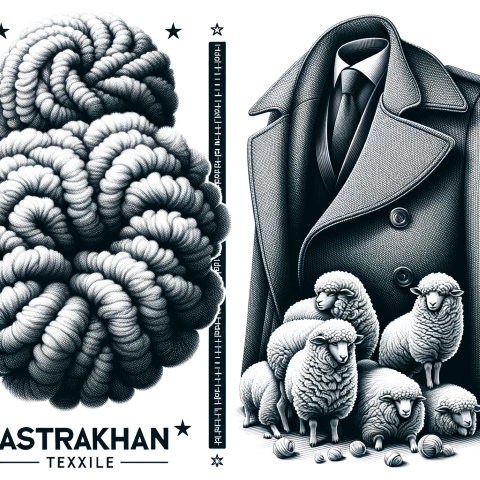
Unveiling the Elegance of Astrakhan: A Textile Enigma
Astrakhan, a name synonymous with luxury and opulence in the textile world, has captivated the fashion industry for centuries. This exquisite fabric, with its distinctive curly texture and lustrous sheen, tells a story of grandeur, tradition, and innovation. Originating from the city of Astrakhan in Russia, this iconic material has traversed continents and cultures, carving its niche as a symbol of sophistication in high fashion.
The allure of Astrakhan lies in its unique origin derived from the fur of Karakul lambs, a breed known for its tight, curly fleece. Historically reserved for royalty and the elite, Astrakhan has always been more than just a fabric; it's a testament to the human quest for beauty and excellence. The rich, velvety surface of Astrakhan, coupled with its deep, sumptuous colors, has adorned everything from opulent coats to regal hats, making it a perennial favorite among fashion connoisseurs.
In modern times, Astrakhan continues to evolve. Ethical considerations have led to the rise of synthetic alternatives that mimic its classic appearance without compromising on style or quality. These advancements reflect the textile industry's commitment to innovation and responsible fashion. As we delve deeper into the world of Astrakhan, we uncover not just a fabric, but a legacy woven into the very fabric of fashion history.
Diverse Expressions of Astrakhan: Exploring Its Types As we delve into the world of Astrakhan, we discover a fabric that is not just a piece of textile but a legacy of luxury and elegance. From the arid steppes of Central Asia to the high-fashion runways of Milan and Paris, Astrakhan has journeyed through time, continually reinventing itself while maintaining its unique identity. The versatility of this material, from its traditional use in high-end outerwear to its adoption in modern home dcor and accessories, underscores its enduring appeal. The future of Astrakhan in the textile industry is twofold. On one hand, it faces the challenge of ethical sourcing and sustainable practices, a concern that has led to the rise of synthetic alternatives offering similar aesthetic qualities without compromising ethical standards. On the other hand, its timeless appeal continues to captivate designers and consumers alike, ensuring its place in the world of luxury fashion. As we move forward, the balance between tradition and innovation, ethical responsibility and aesthetic appeal, will be key in shaping the trajectory of Astrakhan's journey in the textile industry. This exquisite fabric, with its deep historical roots and adaptable nature, stands as a testament to the human desire for beauty, quality, and sustainability.
The original and most authentic form, Traditional Karakul Astrakhan, is sourced from the Karakul breed of sheep. Known for its tightly curled wool, this type boasts a distinct feel and appearance. The natural luster and deep, rich texture make it a symbol of luxury and elegance. Historically used in high-end garments and accessories, its production involves skilled craftsmanship, ensuring each piece is unique and of high quality.
With advancements in textile technology, Synthetic Astrakhan has emerged as a popular alternative. Mimicking the texture and appearance of traditional Astrakhan, this type is created using synthetic fibers. It offers an ethical and cost-effective option for consumers, maintaining the aesthetic appeal of Astrakhan while being more accessible and versatile in use. Its durability and ease of care make it a practical choice for various fashion applications.
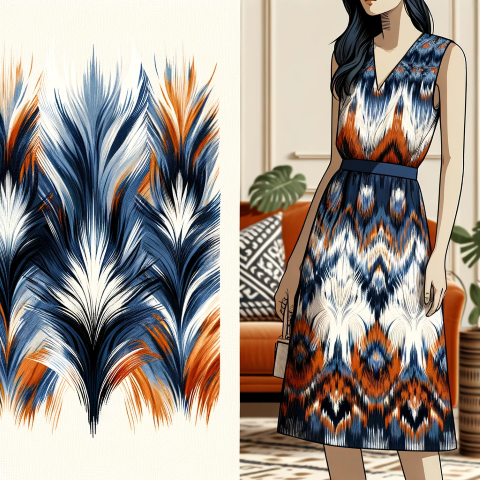
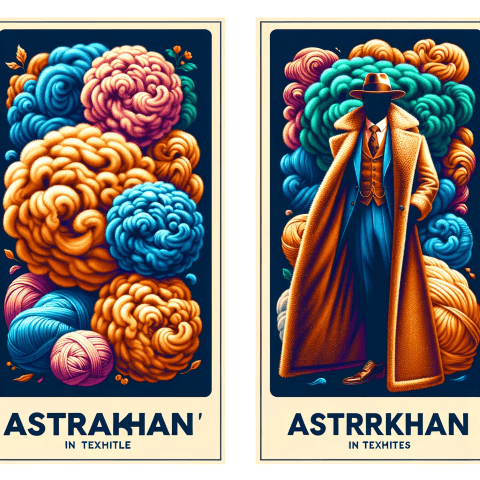
Diversifying the traditional look, Dyed and Patterned Astrakhan introduces vibrant colors and patterns into the fabric. This variation offers designers creative freedom, allowing for incorporation into contemporary fashion pieces. The dyeing process adds a unique flair, while maintaining the signature texture, making it suitable for statement garments and accessories that stand out.Preserving the Luxe: Care Tips for Astrakhan
Astrakhan's unique texture can be compromised by water. It's essential to avoid getting this fabric wet. In case of accidental spills, gently blot the area with a soft, dry cloth and allow it to air dry. This precaution helps maintain the integrity and luxurious feel of the fabric.
Due to its delicate nature, Astrakhan should ideally be cleaned by professionals who specialize in luxury fabrics. They use specific techniques and products that preserve the fabric's texture and appearance, ensuring your Astrakhan garments and accessories continue to exude elegance.
Store Astrakhan items in a cool, dry place away from direct sunlight. Using breathable garment bags can protect them from dust and moisture while maintaining air circulation. This step is crucial to prevent any damage and keep your Astrakhan items in pristine condition. Pioneers of Elegance: Top Astrakhan Manufacturers and Users
Elegance Textiles Inc. stands as a beacon of luxury in the Astrakhan market. Renowned for their traditional Karakul Astrakhan, they have perfected the art of producing high-quality, ethically sourced fabrics. Their commitment to craftsmanship and sustainability has made them a favorite among high-end fashion designers and environmentally conscious consumers.
Luxe Furs & Fabrics specializes in providing synthetic Astrakhan alternatives. Pioneering in textile technology, they offer a range of faux Astrakhan fabrics that are indistinguishable from the real thing. Their focus on innovation and ethical production has garnered attention from eco-friendly fashion brands globally.
Vintage Vogue Ltd. is known for its exquisite collection of dyed and patterned Astrakhan. Blending traditional techniques with modern designs, they create unique fabric patterns that are highly sought after in the fashion industry, especially in the realms of haute couture and avant-garde design.
Heritage Couture Co. has been a key user of Astrakhan, incorporating it into their signature luxury coats and jackets. Their designs reflect a blend of classic elegance and contemporary style, making them a favorite among celebrities and fashion influencers.
Glamour Garments Group has emerged as a major player in utilizing Astrakhan for high-end accessories. Their product line includes Astrakhan hats, bags, and scarves, which are renowned for their quality and style, catering to a clientele that appreciates the finer things in life. Astrakhan in Action: Its Multifaceted Applications
Astrakhan's rich texture and insulating properties make it ideal for luxury outerwear. Designers craft exquisite coats and jackets from this material, often seen on high-fashion runways and in exclusive boutiques. These garments are prized for their elegance and warmth, making a bold fashion statement while offering practical benefits in colder climates.
The versatility of Astrakhan extends to accessories like hats, bags, and gloves. Its unique texture adds a touch of opulence, transforming ordinary items into symbols of luxury. These accessories are often used to complement fashion ensembles, adding an element of sophistication and style.
Astrakhan is also used in home dcor, particularly in high-end interior design. Its texture and appearance lend a luxurious touch to items like throw pillows, upholstery, and blankets. This application underscores the fabric's adaptability and appeal beyond the realm of fashion, enhancing the aesthetic of sophisticated living spaces.
In the world of theater and film, Astrakhan is a popular choice for period costumes and dramatic pieces. Its historical significance and distinctive look make it ideal for creating authentic, visually striking costumes that transport audiences to different eras and settings. Embracing Tradition, Forging the Future: The Astrakhan Journey