Share on X
Shrug: A Textile's Embrace in Fashion History
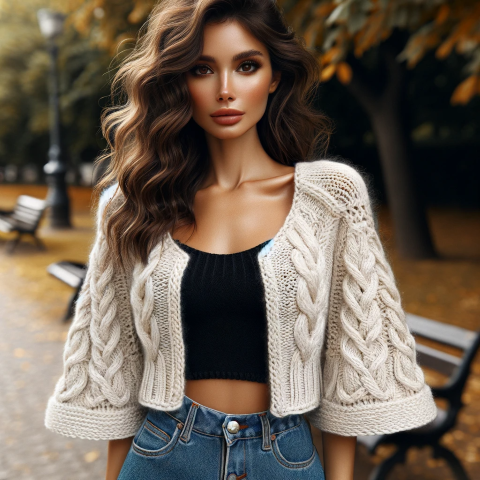
The shrug, a versatile garment known for its open-front structure and abbreviated hem, is a wardrobe staple with a multifaceted lineage. Dating back to the 17th century, the shrug evolved from bicep-length fitted jackets worn by women as a modest cover-up. Its name possibly derives from the motion of "shrugging" on this compact piece of clothing, which provides warmth and style without the bulk of a full garment.
Origins of the Shrug While the shrugs ancestry is somewhat obscure, it likely originated as a functional accessory for dancers to keep their muscles warm between performances. As fashion evolved, it became a decorative item, adopted by various cultures and couturiers to add a layer of sophistication or whimsy to an ensemble. The shrug has journeyed through the corridors of time, not merely as a piece of attire but as a symbol of the fashion industry's cyclical nature and its capacity for reinvention. It is a testament to functionality melded with aesthetic pleasure, adapting to the contours of societal changes and personal styles. The minimalist design of the shrug offers a canvas for cultural expression, while its practicality speaks to its unyielding presence in wardrobes across the globe. As the fashion landscape becomes increasingly conscious of its environmental impact, the shrug stands out for its minimal material usage and the potential for sustainable production practices. It's a garment that can be crafted from off-cuts and remnants, a nod towards the zero-waste philosophy taking root in contemporary textile production. The adaptability of the shrug also plays into the hands of bespoke fashion, where personalized fits and designs take precedence, offering longevity over fleeting fashion trends. The future of the shrug is interwoven with innovation as new materials and technologies emerge. With smart textiles, we may soon see shrugs that not only complement the outfit but enhance it with additional functionality, like climate adaptability and interactive elements. Nevertheless, its core will remain untouched the shrug will continue to be the comforting embrace that elevates an ensemble with its understated charm and sophistication. In conclusion, the shrug is more than just an accessory; it is a fashion chameleon, a heritage piece, and a staple of innovation. As we move forward, it will undoubtedly continue to be reshaped and reimagined, retaining its place as a beloved garment in the ever-evolving tapestry of textiles.Types of Shrugs
Handling Tips for Shrugs
Distinguished Manufacturers and Designers of Shrugs
Diverse Applications of Shrugs
Embracing the Versatility: The Enduring Legacy of Shrugs