Share on X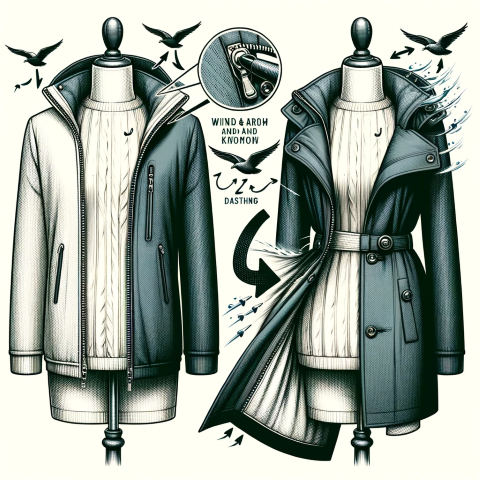
Storm-Flap Types Explained: Choose the Best Protection for Outdoors
Introduction
A storm-flap is a crucial feature in various types of clothing, bags, and outdoor gear, designed to offer additional protection against harsh weather conditions such as wind and rain. Typically crafted from water-resistant or waterproof materials like Gore-Tex or similar synthetic fabrics, storm-flaps are essential for anyone spending time outdoors, providing both protection from the elements and added insulation against the cold. This article provides an in-depth exploration of storm-flaps, discussing their purpose, types, materials, and benefits, and offering insights into why they are vital components in outdoor gear.
What is a Storm-Flap?
A storm-flap is a protective covering often found on clothing, backpacks, and other outdoor equipment. Its primary function is to prevent moisture and wind from penetrating through openings, such as zippers or buttons. This added layer of protection is essential for maintaining warmth and dryness, particularly in cold or wet environments.
- Material Composition: Typically made from water-resistant or waterproof materials, including Gore-Tex, nylon, or other synthetic fabrics.
- Primary Function: To prevent rain and wind from entering through the openings in garments or gear, thereby keeping the wearer dry and warm.
The Importance of Storm-Flaps in Outdoor Gear
The storm-flap is not just a stylistic feature; it serves several important practical purposes, particularly in outdoor and survival scenarios:
- Protection Against Moisture: Storm-flaps prevent water from entering through zippers and other openings, which can cause discomfort and increase the risk of hypothermia in cold conditions.
- Wind Resistance: By covering openings, storm-flaps help to block wind, reducing wind chill and keeping the wearer warmer.
- Enhanced Insulation: Storm-flaps trap heat inside the garment, adding an extra layer of insulation. This is especially beneficial in cold climates where maintaining body heat is crucial.
Types of Storm-Flaps
Storm-flaps come in various designs, each tailored to specific types of gear and intended uses. Understanding the different types can help consumers choose the right gear for their needs.
- Single Storm-Flap
- Design: Consists of a single layer of material that covers the opening.
- Benefits: Offers basic protection against the elements, suitable for mild weather conditions.
- Limitations: May not provide adequate protection in severe weather or heavy rain.
- Double Storm-Flap
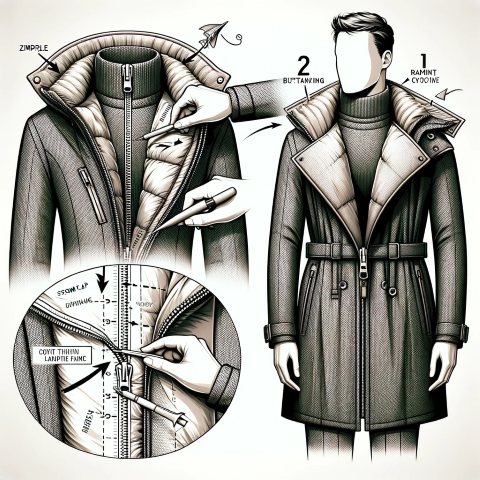
- Design: Features two layers of material that overlap, creating a more secure barrier against moisture and wind.
- Benefits: Provides superior protection against heavy rain and strong winds. Ideal for harsher environments.
- Limitations: May add bulk to the garment, potentially restricting movement.
- Bi-Swing Back Storm-Flap
- Design: Includes a flexible, articulated design that allows for a greater range of motion.
- Benefits: Offers enhanced mobility while still providing effective protection against the elements. Often used in activewear and jackets designed for hiking or climbing.
- Limitations: May not provide as much protection as a double storm-flap in extremely wet conditions.
Material Choices for Storm-Flaps
The effectiveness of a storm-flap largely depends on the materials used in its construction. Common materials include:
- Gore-Tex: A popular choice for its superior waterproofing and breathability.
- Nylon: Lightweight and durable, providing good protection against wind and light rain.
- Polyester: Often treated with a waterproof coating, offering a balance of protection and breathability.
Benefits of Storm-Flaps in Outdoor Gear
Storm-flaps provide several key benefits that enhance the performance and comfort of outdoor gear:
- Waterproofing: Helps to keep moisture out, ensuring the wearer stays dry even in heavy rain.
- Wind Protection: Prevents wind from entering the garment, reducing heat loss and increasing comfort.
- Insulation: By covering openings, storm-flaps help to trap heat, maintaining warmth in cold conditions.
- Durability: Made from high-quality materials, storm-flaps enhance the longevity of outdoor gear by protecting it from wear and tear caused by the elements.
Stylish Features of Storm-Flaps
While primarily functional, storm-flaps can also add a stylish element to outdoor gear. Many high-end outdoor brands incorporate distinctive designs, contrasting colors, or unique patterns into their storm-flaps, enhancing the overall aesthetic appeal of the garment.
- Contrasting Colors: Adds a visually appealing element that enhances the gear's design.
- Unique Patterns: Some brands use patterns to make the storm-flap a distinctive feature of the garment, contributing to brand identity and style.
The Essential Role of Storm-Flaps in Enhancing Outdoor Gear Performance
Storm-flaps are a vital feature in outdoor clothing and gear, providing essential protection against harsh weather conditions and enhancing the overall functionality and comfort of the items. Whether you are hiking in the mountains, navigating a rain-soaked city, or braving the elements on a camping trip, a storm-flap can make a significant difference in keeping you dry, warm, and comfortable. With various types and designs available, choosing the right storm-flap-equipped gear is essential for maximizing protection and performance in any outdoor activity.