Share on X
In the realm of textile, an achkan is a traditional garment worn primarily by men in South Asia. It is a long, knee-length coat with a straight, tailored silhouette and a buttoned front. The achkan is typically crafted from luxurious fabrics such as silk, brocade, or velvet and is adorned with intricate embroidery, embellishments, or decorative buttons.
The origins of the achkan can be traced back to the Mughal era in the Indian subcontinent. It was initially introduced as a courtly attire worn by nobles and aristocrats, reflecting their status and wealth. Over time, the achkan has evolved to become a versatile garment, suitable for various occasions ranging from formal events to weddings and festive celebrations.
The design of the achkan features a mandarin collar that stands upright, giving it a regal and sophisticated appearance. The front placket is adorned with buttons that are often made of precious materials like gold or gemstones, adding to its ornate appeal. The sleeves of the achkan can vary in style, ranging from full-length sleeves to three-quarter or short sleeves, depending on the regional and personal preferences.
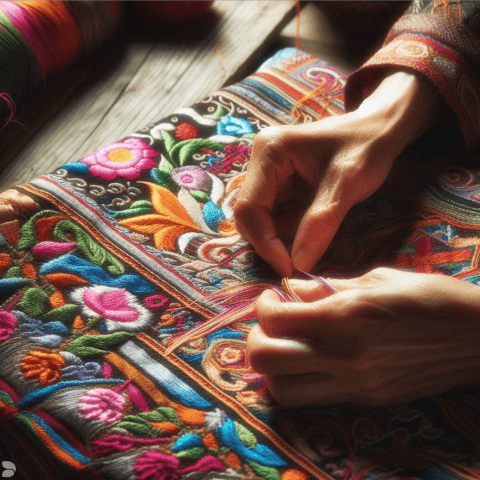
The achkan is renowned for its intricate craftsmanship, especially in terms of embroidery and embellishments. Artisans employ various techniques such as zardozi (metallic threadwork), resham (silk thread embroidery), and stone or beadwork to create exquisite designs on the fabric. The motifs used in achkan embroidery are often inspired by nature, historical patterns, or cultural symbols, representing the rich heritage and artistic traditions of the region.
Many renowned fashion designers and brands in South Asia specialize in creating achkans that blend traditional aesthetics with contemporary elements. Some notable names in the achkan industry include Sabyasachi Mukherjee, Manish Malhotra, Rohit Bal, and Abu Jani-Sandeep Khosla. These designers have gained international recognition for their exquisite achkan creations, often showcasing them on prestigious fashion runways and dressing celebrities for red carpet events.
Apart from fashion designers, there are also several textile manufacturers and artisans who specialize in crafting achkans. These skilled artisans work meticulously to create unique pieces, showcasing their expertise in hand embroidery and embellishment techniques. They often collaborate with fashion designers or supply their creations to local boutiques and stores that cater to customers seeking traditional and couture garments.
The clientele of achkan varies from individuals who appreciate traditional garments for special occasions to grooms looking for distinctive wedding attire. The achkan is particularly popular among grooms in South Asian weddings, where it is often paired with a matching or contrasting churidar (fitted trousers) and a stole or dupatta (scarf).
In recent years, the achkan has gained global recognition and has been embraced by fashion enthusiasts seeking to infuse cultural elements into their wardrobes. It has become a favored choice for those seeking a unique and elegant garment for formal events and celebrations. As a result, international fashion houses and luxury brands have also started incorporating achkan-inspired designs in their collections, further popularizing this traditional attire on a global scale.
In conclusion, the achkan is a distinctive South Asian garment, celebrated for its intricate craftsmanship, regal aesthetics, and cultural significance. With its rich history and evolving design, the achkan continues to captivate fashion lovers and serves as a timeless symbol of elegance and tradition.