Textile
What is "Corduroy" - Definition & Explanation
Last Updated on: 10-Jun-2024 (2 years, 2 months, 2 days ago)
Help Us Grow

Corduroy: The Perfect Blend of Durability and Fashion


Corduroy is a type of fabric that is characterized by a distinctive pattern of raised parallel cords or ridges. It is a durable and versatile fabric that is often used for clothing and upholstery.

Corduroy is typically made from cotton, although it can also be made from other fibers such as polyester, rayon, or a blend of fibers. The raised cords on the fabric are created by weaving extra sets of yarns into the fabric in a perpendicular direction to the main weft and warp threads. These extra yarns, called pile, are then cut to create the raised ridges that are characteristic of corduroy.

Corduroy is available in a wide variety of colors and patterns, although it is most commonly found in solid colors such as brown, black, and navy. The width of the cords can also vary, with wider cords typically being used for more casual garments, while narrower cords are used for dressier garments.

Corduroy is a popular fabric for clothing, particularly for casual wear such as pants, jackets, and skirts. It is known for its durability, warmth, and comfort, and is often used for outdoor clothing such as jackets and coats. Corduroy pants are a classic style that has been popular for many years, particularly in the fall and winter months.

Corduroy is also commonly used for upholstery, particularly for furniture such as sofas and armchairs. The durability and texture of the fabric make it a good choice for furniture that will be used frequently, as it can withstand wear and tear over time.

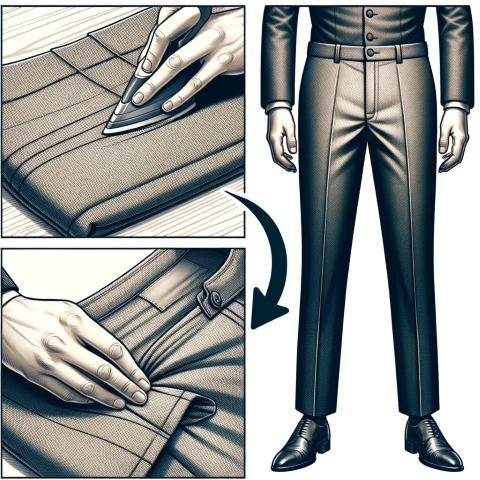
Corduroy can be cared for in a similar way to other cotton fabrics. It can be machine-washed and dried, although care should be taken to avoid shrinking or fading. It is also important to avoid ironing corduroy, as this can flatten the ridges and alter the texture of the fabric.

In summary, corduroy is a durable and versatile fabric that is characterized by raised parallel cords or ridges. It is typically made from cotton and is available in a variety of colors and patterns. Corduroy is commonly used for clothing, particularly for casual wear such as pants and jackets, as well as for upholstery for furniture. Care should be taken when washing and drying corduroy to avoid shrinking or fading, and ironing should be avoided to maintain the texture of the fabric.
— Sneha RaoSneha Rao is a textile student who is rapidly making a name for herself in the industry. Currently pursuing her degree in Textile Technology, she has already completed several internships with leading textile companies, where she focused on research and development of new fibers. Sneha’s innovative projects on biodegradable textiles have been featured in academic journals, showcasing her potential as a future leader in sustainable textiles.
Corduroy
Typically made of cotton but can be made of rayon and other textiles. It has a filling pile with a plain or twill back and is made with an extra filling yarn. Corduroy is in the velvet family of fabrics and it has narrow medium and wide wales, also thick and thin or checkerboard patterns. Wales have different widths and depths. Corduroy has to be cut all one way with pile running up. Most of it is washable, wears very well, and has a soft luster.

— Neha KapoorNeha Kapoor is a textile professional with over 12 years of experience in textile merchandising and supply chain management. With a strong foundation in both the technical and creative aspects of textiles, Neha has worked with global brands to optimize their textile sourcing strategies. Her expertise in market analysis and trend forecasting has made her a valuable asset in the fast-paced world of fashion retail.

Note: This content is for informational purposes only. Please read our full disclaimer for more details.

Some more terms:

Understanding Welts: Strength and Durability in Textile Manufacturing Explained

Understanding Welts: Strength and Durability in Textile Manufacturing Explained

26-May-2024 • by Ria Dutta
Textile

In textiles, a welt refers to a strip of fabric or other material that is sewn into a seam to add strength and durability to the seam. Welts are commonly used in the construction of clothing items...

Read about Welt
Crease Recovery: Achieve Wrinkle-Free Fabrics with These Techniques

Crease Recovery: Achieve Wrinkle-Free Fabrics with These Techniques

19-Jun-2024 • by Vikram Singh
Textile

Crease recovery in textiles refers to the ability of a fabric to bounce back and regain its original shape after being subjected to wrinkling or creasing. It is an essential property in garments and...

Read about Crease Recovery
Jeans Guide: Discover Types, Materials, and Sustainable Production Trends

Jeans Guide: Discover Types, Materials, and Sustainable Production Trends

18-Aug-2024 • by Priya Desai
Textile

Understanding Jeans: A Comprehensive Guide to This Iconic Garment Jeans are one of the most popular and enduring garments in fashion history, known for their versatility, durability, and timeless...

Read about jeans
Handle in Fabrics: Unlocking Consumer Insights for Textile Innovation

Handle in Fabrics: Unlocking Consumer Insights for Textile Innovation

22-Oct-2024 • by Simran Kaur
Textile

Handle in the Textile Industry: A Comprehensive Overview The concept of "handle" in textiles refers to the subjective tactile properties of fabrics, encompassing qualities such as roughness,...

Read about Handle
Add a definition
Add a definition for a textile term that you know about! Send us an email & tell us:
  • The term you want to define
  • Its definition in 500 words or less
  • Attach an image if necessary.
  • Optionally, tell us about yourself in 200 words or less!

Companies for Corduroy:
If you manufacture, distribute or otherwise deal in Corduroy, please fill your company details below so that we can list your company for FREE! Send us the following details:
  • Company name
  • Company address
  • Attach a logo, if necessary.
  • Optionally, tell us about yourself in 200 words or less!

Did you know this fact?
Mercerized cotton, treated to increase luster and strength, was invented by John Mercer in 1844.
(s) TextileGlossary.com Some rights reserved. • SitemapDisclaimer