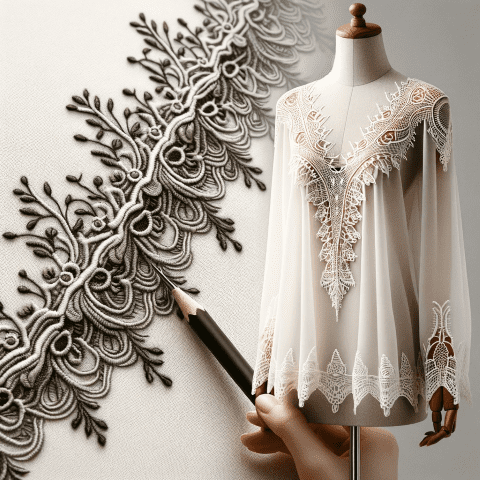
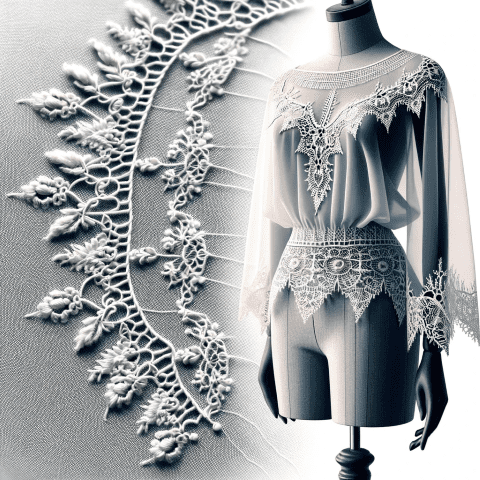
The term 'picot' refers to a looping or decorative edging technique used in embroidery and sewing, often seen on lace and fabric hems. Originating in the 17th century France, picot became synonymous with intricate hand-crafted aesthetics, representing both luxury and delicacy in textile embellishments. Over time, the practice of creating picot evolved, incorporating machine-based techniques, yet it still retains a connection to its meticulous handcrafted origins.
Picot Edge: This type is characterized by small loops, traditionally hand-sewn along the edges of fabrics. The picot edge is commonly found on materials like linen and fine cotton, and it adds a subtle, decorative finish to the borders of garments and linens.
Picot Stitch: An embroidery technique that consists of three small stitches into a single point, creating a tiny loop. It's often used in hand embroidery to add a decorative touch to the edge of an embroidered area or along hemlines.
Knitted Picot: Created by casting on and binding off stitches in a specific way, this edging adds a series of small, looped points along the edge of knitted fabrics. It is a popular choice for decorative edges on shawls, baby blankets, and socks.
Crocheted Picot: This variant involves creating a small loop by chaining a few stitches and then slip stitching into the base of these chains. It's a versatile decorative element in crochet, used to add texture and edging to a wide range of items, from doilies to clothing.
Tatting with Picots: Tatting is a technique for creating a particularly fine and delicate type of lace. Picots in tatting are used as both a decorative element and a practical joining point to connect different parts of lacework.
Gentle Washing: Picot, particularly when part of delicate fabrics or lace, should be washed gently to prevent unraveling or snagging. Hand washing with a mild detergent in lukewarm water is ideal, as machine washing can be too abrasive.
Low Heat Ironing: To avoid damaging picot edges, ironing should be done cautiously on a low heat setting. A pressing cloth between the iron and the fabric is recommended to shield delicate threads from direct heat.
Avoid Harsh Chemicals: Bleaches and strong detergents can break down the fibers in picot edging, causing fraying or disintegration. Using chemicals designed for delicate fabrics can extend the life of picot-trimmed textiles.
Lay Flat to Dry: After washing, picot items should be laid flat to dry. Hanging or wringing out can distort the loops and cause them to lose their shape. Drying flat helps maintain the structure of the picot detailing.
Professional Cleaning: For high-value or antique items with picot, professional cleaning may be the best option. Dry cleaners familiar with vintage textiles can provide services that ensure the integrity of the picot while thoroughly cleaning the item.
Proper Storage: Store picot garments and textiles flat, ideally in breathable cotton bags, to protect them from dust and light exposure. Avoid folding them tightly, which can crimp and damage the delicate edging.
Regular Inspection: Check picot edges regularly for any signs of wear or tear. Early detection of damage can lead to timely repairs, preventing further deterioration of the decorative edging.
Mending Techniques: Learning basic mending techniques can go a long way in maintaining picot trim. If a loop becomes loose or detached, small hand stitches can be used to secure it back into place.
Picot Fine Lace Inc.: Renowned for their luxury lace fabrics, this manufacturer specializes in delicate picot edges, serving the high-end fashion and bridal market.
Embroidery Elegance Ltd.: A distinguished provider of bespoke embroidered textiles featuring picot stitching, offering services to both interior designers and luxury apparel brands.
KnitArtisan Creations: Known for their artisanal knitted accessories with picot edging, this company caters to high-end boutique stores with a focus on craftsmanship and traditional knitting methods.
Crochet Heritage Co.: With a legacy in crocheted textiles, they incorporate picot stitches into their designs, blending heritage with contemporary fashion trends.
Tatted Laceworks: A specialist in tatting, their product range featuring picot techniques is popular among costume designers and vintage fashion aficionados.
Classic Couture Fabrics: A textile supplier known for their wide range of fabrics trimmed with picot edges, commonly used by fashion designers in creating couture pieces.
BabySoft Boutiques: This retailer offers a selection of baby clothing and accessories adorned with soft picot edging, prioritizing comfort and delicate aesthetics.
Elegant Home Textiles: A purveyor of fine home linens, including tablecloths and beddings with picot detailing, catering to a clientele that appreciates classic elegance.
Regal Linens & Lace: Supplying high-quality linen products with intricate picot lace edging, they are a go-to for event planners and hospitality services seeking sophisticated dcor options.
Ornate Ornaments Inc.: They produce handcrafted textile ornaments with picot embellishments, serving a niche market of collectors and interior design enthusiasts looking for unique, decorative pieces.
Fashion Design: Picot edging is frequently used in fashion to add a delicate and decorative finish to garments. Its application can be found on hems, collars, and cuffs of haute couture pieces, women's blouses, lingerie, and childrens clothing, providing a touch of elegance and intricacy.
Bridalwear: Bridal gowns and veils often feature picot edging to enhance their romantic and ethereal aesthetic. The technique adds a finely detailed edge that can complement both the delicate fabrics and the overall design of bridalwear.
Home Textiles: Picot is applied to home textiles such as table linens, bedspreads, and curtains, introducing a refined look to household items. Its subtle texture and design can elevate the style of a room by adding an element of crafted beauty.
Baby Clothing: Picot stitching is particularly popular in baby clothing and accessories. Its soft texture and reduced likelihood of fraying make it ideal for infant wear, where comfort and safety are paramount.
Lingerie: Lingerie designers often utilize picot trim to add a flirtatious and feminine touch to undergarments. It is a feature that can highlight contours, enhance designs, and add a sense of luxury to intimate apparel.
Handicraft and Embellishments: Crafters and DIY enthusiasts employ picot techniques in their creations, such as in making lace, embellishing handbags, creating jewelry, and other decorative arts. The picot provides a professional and intricate look to handmade items, making it a popular choice for adding value and detail.
Accessory Design: Picot can be seen adorning various accessories, including hats, gloves, and scarves, where it serves as both an aesthetic and functional element, preventing fraying while also providing a decorative edge.
Ceremonial Clothing: In ceremonial and religious garments, picot edging is utilized to contribute to the solemn and ornate nature of the attire. Its application is evident in items like christening gowns or ceremonial robes.
The artistry of picot is a testament to the enduring allure of detailed craftsmanship in textiles. Beyond its aesthetic value, picot represents a tradition of meticulous attention to detail and a nod to the heritage of embroidery and embellishment techniques. As we have explored, its applications are as varied as they are significant, spanning the realms of fashion, bridalwear, home dcor, and beyond. This decorative technique enhances the tactile and visual experience of fabrics, transforming ordinary items into works of art.
With the modern textile industry continually innovating, picot has maintained its relevance, blending seamlessly with new trends and materials while honoring its storied past. The nuanced beauty of picot reminds us that in an age of mass production, there remains a cherished place for the handcrafted and the bespoke. As consumers and designers alike become more conscious of the value of such artisan techniques, picots place in the textile industry is not only secured but celebrated. It encapsulates the spirit of textile artistry, marrying functionality with an undeniable elegance that continues to captivate and inspire.
Embroidery and stitching techniques such as picot are not merely decorative; they are storytelling elements woven into the fabric of textiles. Each loop and knot carries the rich history of artisanal craftsmanship into the modern era. Picot's diverse applicationsfrom fashion to home dcorspeak to its versatility and enduring appeal in a world that often favors the new over the traditional. As we move forward, it is essential to preserve these artistic expressions and support the industries that uphold these skilled practices. While technology and mass production continue to dominate the textile landscape, there is a resolute charm in picot that technology cannot replicate. It is this human touch that adds value and distinction to our garments and homewares, echoing a legacy of craftsmanship that transcends time and trends.
Additional definition by TGA Staff
Picot
A narrow row of dainty, woven loops along the selvage of fabric or lace produced to create an edge or a finished flange.
— TGA StaffTGAcademy Staff Writer
Note: This content is for informational purposes only. Please read our full disclaimer for more details.
Variegated Textiles: A Tapestry of Color and Technique Variegated textiles are celebrated for their multi-tonal hues and the unique visual effects they impart. The term "variegated" itself originates...
The Fabric of History: Unraveling the Mystique of Cord Welcome, textile enthusiasts, to a journey through the captivating world of cord. Cord, with its intricate weave and rich history, is more than...
The Iconic Backpack: A Journey Through Textile History Welcome to the fascinating world of backpacks, where functionality meets fashion and innovation intersects with tradition. As a fundamental...
Back Fabric Seam Problems: Simple Tips to Ensure Perfect Prints When printing on fabric, achieving a smooth and flawless finish is crucial. However, several factors can impact the quality of the...

 Share on X