Share on X
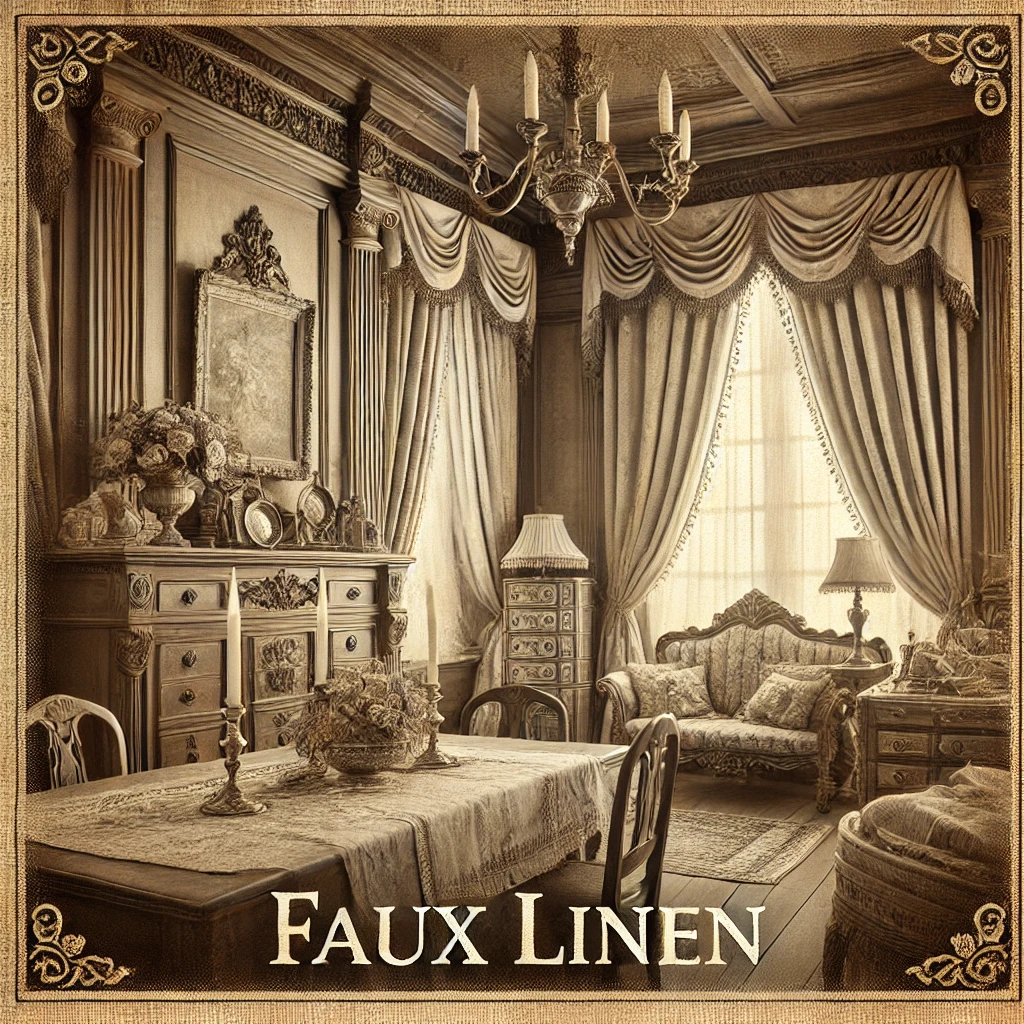

Faux Linen, also known as imitation linen, is a fabric that replicates the appearance and texture of natural linen but is actually made from synthetic fibers or a blend of natural and synthetic fibers. The term "faux" refers to something artificial or imitation, and in the case of Faux Linen, it refers to the fabric's resemblance to real linen.
Faux Linen is designed to mimic the desirable qualities of linen, such as its crispness, lightweight feel, and textured appearance. While natural linen is made from flax fibers, Faux Linen achieves a similar look and feel through the use of alternative materials. The fabric can be made from synthetic fibers like polyester, viscose, or a blend of fibers that provide the desired linen-like characteristics.
Characteristics and Types
Faux Linen fabric possesses several key characteristics that make it a popular choice:
- Linen-like Appearance: Faux Linen fabric is designed to closely resemble the appearance of natural linen, with its characteristic slubs and textured surface.
- Lightweight and Breathable: Faux Linen fabric offers a lightweight and breathable feel, similar to real linen, making it comfortable to wear, especially in warm climates.
- Less Prone to Wrinkling: Unlike natural linen, Faux Linen fabric is often blended with synthetic fibers, providing improved wrinkle resistance and easier maintenance.
- Variety of Colors and Patterns: Faux Linen is available in a wide range of colors and patterns, offering versatility and options for various design preferences and applications.
- Durability: Faux Linen fabric tends to be more durable and resistant to shrinkage than natural linen, ensuring its longevity and suitability for regular use.
There are different types of Faux Linen fabrics available, including:
- Polyester Faux Linen: Made entirely from polyester fibers, this type of Faux Linen offers excellent durability and wrinkle resistance.
- Viscose Faux Linen: Viscose, a semi-synthetic fiber made from wood pulp, is often blended with other materials to create a soft and breathable Faux Linen fabric.
- Blended Faux Linen: This type of Faux Linen combines natural fibers, such as cotton or linen, with synthetic fibers like polyester, creating a fabric that retains the look and feel of linen while enhancing durability and wrinkle resistance.
Top International Users and Manufacturers
Several renowned international brands incorporate Faux Linen fabric into their collections. Here are some top users and manufacturers:
- Pottery Barn: Pottery Barn, a popular home furnishings retailer, utilizes Faux Linen fabric in their bedding, curtains, and upholstery, offering a linen-like aesthetic with enhanced durability.
- West Elm: West Elm features Faux Linen fabric in their furniture and home dcor items, providing customers with the timeless look of linen combined with practicality.
- Zara Home: Zara Home incorporates Faux Linen fabric in their linens and home textiles, offering a more affordable option while maintaining the desired linen-like appearance.
- Restoration Hardware: Restoration Hardware uses Faux Linen fabric in their furniture upholstery and drapery, providing customers with a luxurious and durable linen-like alternative.
- Pier 1: Pier 1 offers Faux Linen fabric in their window treatments and decorative accessories, allowing customers to achieve a sophisticated linen-inspired look in their homes.
- Urban Outfitters: Urban Outfitters incorporates Faux Linen fabric in their home goods collection, providing customers with trendy and affordable linen-like textiles.
Tips in Handling Faux Linen
When handling Faux Linen fabric, consider the following tips:
- Follow the care instructions provided by the manufacturer to maintain the fabric's appearance and durability.
- Machine wash or dry clean the fabric as recommended to prevent damage or shrinkage.
- Iron the fabric on a low heat setting, if necessary, and avoid using high heat to prevent potential damage to synthetic fibers.
- Store Faux Linen items in a cool and dry place to maintain their quality and prevent mildew or odor development.
Conclusion
Faux Linen fabric offers a practical and versatile alternative to natural linen, replicating its desired aesthetic qualities while providing improved durability and wrinkle resistance. With its linen-like appearance, lightweight feel, and range of color and pattern options, Faux Linen is embraced by various international users and manufacturers in the textile industry. By understanding its characteristics, types, and proper handling, consumers can enjoy the benefits and timeless appeal of Faux Linen fabric in their clothing, home furnishings, and accessories.