Share on X

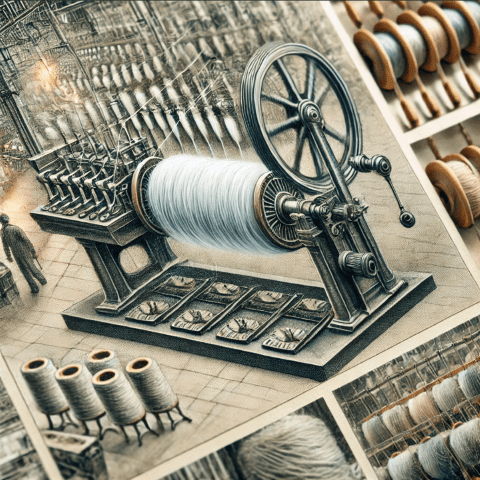
Hollow Spindle Spinning is a specialized spinning technique in the textile industry that involves the use of a hollow spindle to create yarn. This method is primarily used for spinning long staple fibers, such as cotton, flax, or synthetic fibers. It offers several advantages over traditional spinning methods, including increased productivity, improved yarn quality, and reduced fiber waste.
The process of Hollow Spindle Spinning begins with the feeding of fibers into the hollow spindle, which has a unique design with perforations or channels to facilitate the fiber flow. As the spindle rotates, the fibers are drawn into the hollow center and twisted to form yarn. The resulting yarn is then wound onto a bobbin or cone for further processing.
Types of Hollow Spindle Spinning
There are two main types of Hollow Spindle Spinning:
- Hollow Ring Spinning: In this type, the hollow spindle is in the shape of a ring, and the fibers are fed into the center of the ring. The rotation of the spindle draws the fibers into the ring, where they are twisted to form yarn. Hollow Ring Spinning is known for its high productivity and versatility, making it suitable for various fiber types.
- Hollow Drum Spinning: In this type, the hollow spindle is in the shape of a drum or cylinder, and the fibers are fed into the channels or perforations on the surface of the drum. As the drum rotates, the fibers are drawn into the channels and twisted to produce yarn. Hollow Drum Spinning is particularly suitable for spinning long staple fibers and offers excellent yarn quality.
Top International Users and Manufacturers
Hollow Spindle Spinning is utilized by several leading international textile manufacturers. Here are some notable users and manufacturers:
- Shinshin Group: Shinshin Group, based in Japan, is a major user of Hollow Spindle Spinning technology. They have extensive experience in spinning various fibers, including cotton and synthetic fibers, using Hollow Ring and Hollow Drum Spinning methods.
- Texhong Textile Group: Texhong Textile Group, headquartered in China, is known for its expertise in Hollow Spindle Spinning. They employ advanced technology and equipment to produce high-quality yarns for a wide range of applications.
- Li & Fung Limited: Li & Fung Limited, a global sourcing and supply chain company, works with various manufacturers worldwide, including those specializing in Hollow Spindle Spinning. They provide sourcing solutions and facilitate the production of quality yarns.
- Groz-Beckert: Groz-Beckert, a German company, is a leading provider of textile machinery and components. They offer specialized hollow spindles and spinning accessories, catering to manufacturers involved in Hollow Spindle Spinning.
Tips in Handling Hollow Spindle Spinning
When working with Hollow Spindle Spinning, the following tips can help achieve optimal results:
- Fiber Preparation: Properly prepare the fibers by aligning them and removing impurities, as clean and well-aligned fibers contribute to better yarn quality and smoother spinning.
- Spindle Maintenance: Regularly inspect and maintain the hollow spindles, ensuring they are clean, free from damage, and lubricated adequately to promote smooth fiber flow and prevent yarn defects.
- Tension Control: Maintain proper tension throughout the spinning process to ensure consistent yarn quality and prevent yarn breakage or irregularities.
- Bobbin Winding: Ensure effective and even winding of the spun yarn onto bobbins or cones to avoid tension variations and facilitate downstream processes.
- Quality Control: Implement a robust quality control system to monitor and address any yarn defects, ensuring that the final product meets the required standards and specifications.
Conclusion
Hollow Spindle Spinning is a specialized spinning technique that offers increased productivity, improved yarn quality, and reduced fiber waste. It involves the use of a hollow spindle, either in the form of a ring or drum, to draw fibers into the center or channels and twist them into yarn. Leading international users and manufacturers of Hollow Spindle Spinning include Shinshin Group, Texhong Textile Group, Li & Fung Limited, and Groz-Beckert. By following proper fiber preparation, spindle maintenance, tension control, bobbin winding, and quality control measures, optimal results can be achieved in Hollow Spindle Spinning processes.