Share on X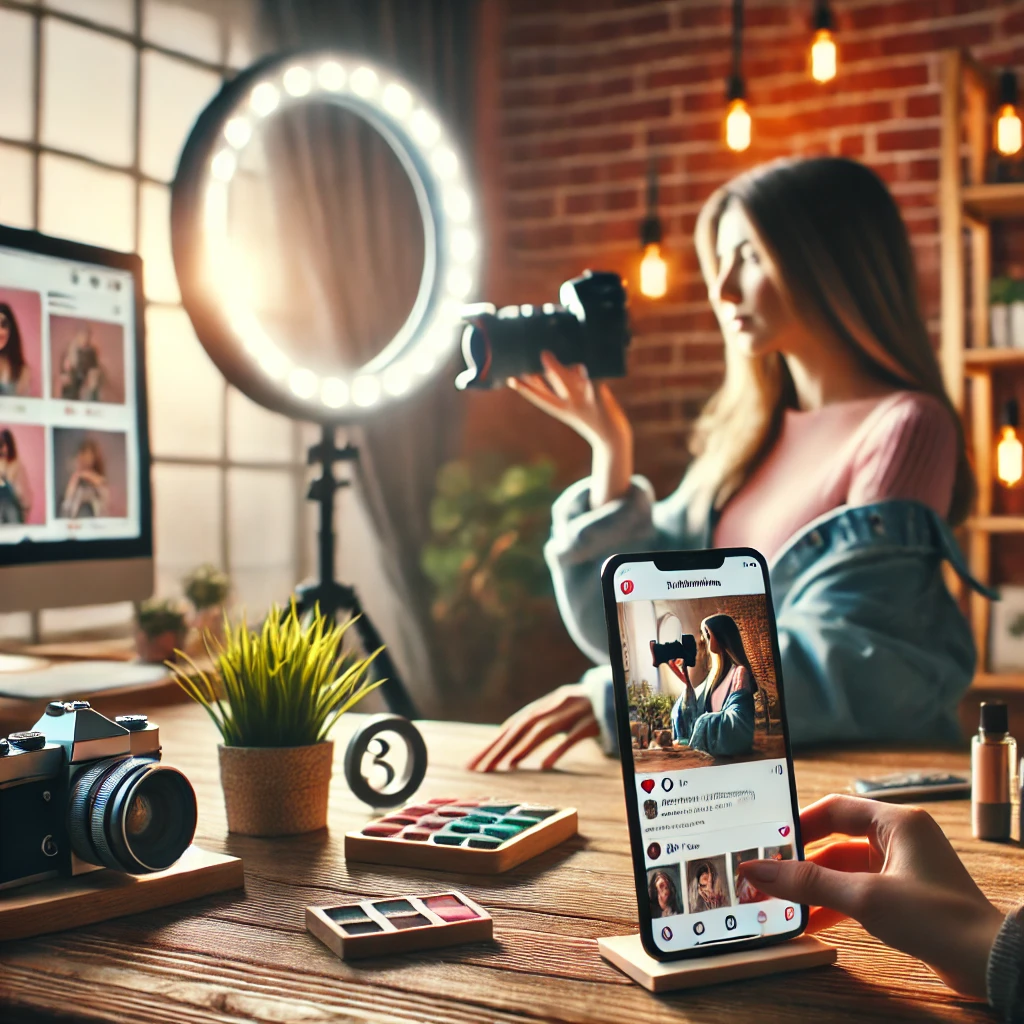
Harness the Power of Influencer Economy for Business Marketing Growth
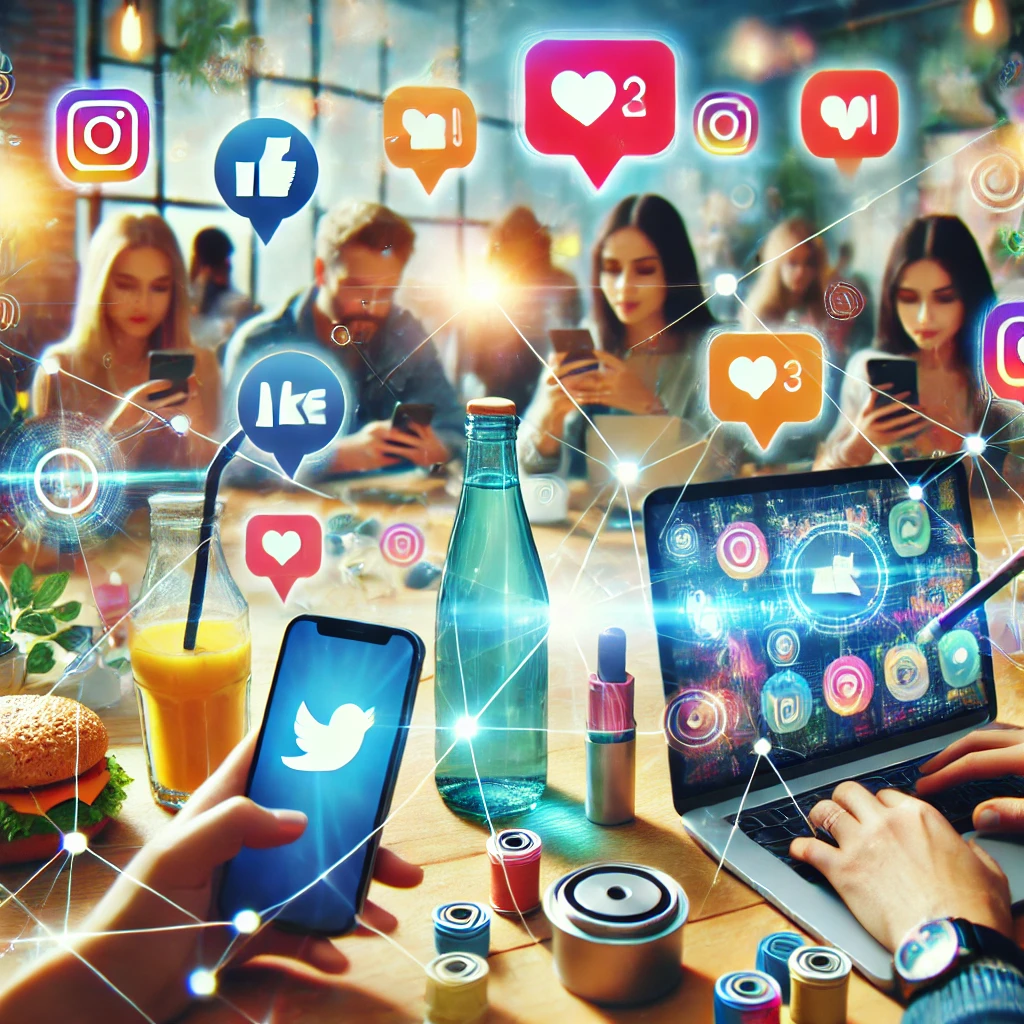
The Influencer Economy has become a significant force in modern marketing and consumer behavior, driven by social media personalities who shape trends, brand perceptions, and purchasing decisions. Influencers, who typically have large followings on platforms like Instagram, YouTube, TikTok, and Twitter, use their personal brand to promote products or services, often leading to increased brand awareness and sales. The influence they wield has created a new economic system where individuals can make substantial incomes through partnerships with brands, sponsored posts, and affiliate marketing.
The rise of the Influencer Economy has changed the way businesses approach marketing. Traditional advertising methods are being replaced or supplemented by influencer marketing, which is more personal, relatable, and often more effective in reaching target audiences. Consumers tend to trust recommendations from influencers they follow, creating a level of authenticity that traditional ads often lack.
Brands of all sizes now partner with influencers to launch products, increase visibility, and build community. Micro-influencers, who may have smaller but highly engaged audiences, are also playing an increasingly important role in this economy. They provide niche markets with personalized content, often at a lower cost than celebrity influencers.
However, the Influencer Economy is not without its challenges. The oversaturation of sponsored content can lead to consumer distrust, and regulatory bodies are increasingly scrutinizing the transparency of these relationships. Influencers are now required to disclose paid partnerships clearly, ensuring ethical practices within the industry.
As social media continues to evolve, the Influencer Economy will remain a dominant force, reshaping marketing strategies for businesses and providing new opportunities for content creators.