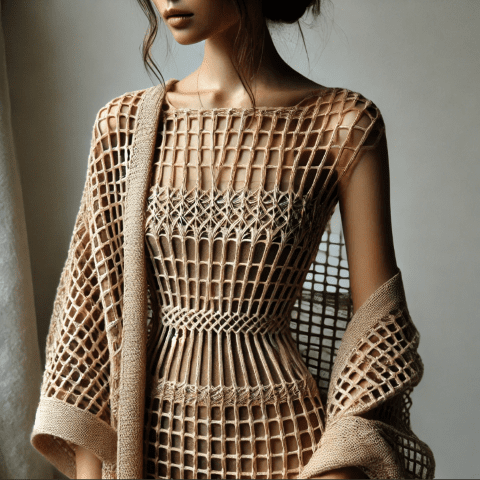
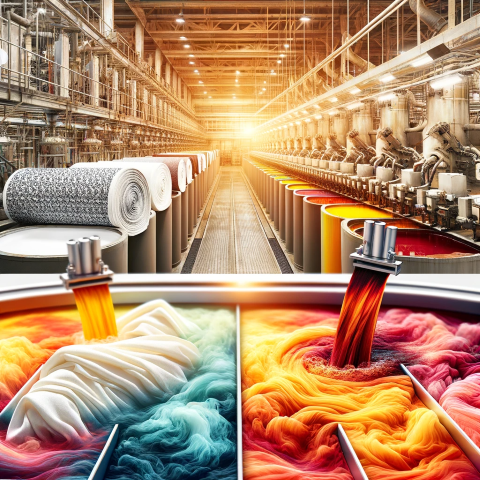
History and Origin of JumpersThe term 'jumper,' primarily used in British English, refers to what Americans commonly call a 'sweater.' Originally, jumpers were heavy knitted tops worn by fishermen and workers in the cold, harsh climates of Europe. The word 'jumper' likely came from the French 'jupe,' meaning skirt, which gradually came to refer to a garment worn over a shirt. The earliest jumpers were made of wool due to its insulating properties, but with the textile industry's evolution, jumpers now come in various materials.
- Crew Neck Jumpers: These jumpers feature a round neck without a collar and are popular for their casual and versatile style.
- V-neck Jumpers: As the name suggests, these jumpers have a V-shaped neckline and are often worn with a collared shirt underneath.
- Turtleneck Jumpers: These jumpers have an extended neckline that covers the neck, offering extra warmth in colder climates.
- Cardigans: Cardigans are open-front jumpers, usually fastened with buttons or a zipper, offering a flexible style option.
- To maintain the jumper's shape and size, it should be hand washed or cleaned using the delicate cycle of a washing machine.
- Direct heat can damage the fabric, hence air-drying is recommended over machine drying.
- Jumpers should be stored folded rather than hung to prevent stretching and distortion.
- Zara: Known for its fast-fashion model, Zara produces a wide range of stylish jumpers catering to the latest trends.
- H&M: H&M offers jumpers in a variety of styles and materials, making it a go-to brand for many fashion-conscious consumers.
- Uniqlo: Famous for its minimalist designs, Uniqlo's jumpers are prized for their quality and affordability.
- Ralph Lauren: Synonymous with American luxury fashion, Ralph Lauren's jumper collection blends elegance with comfort.
- Prada: Prada, a renowned high-fashion brand, creates exquisite jumpers that often blur the lines between art and fashion.
- Casual Wear: Due to their comfort and versatility, jumpers are a staple in casual wardrobes worldwide.
- Work Wear: Paired with a collared shirt and formal trousers, V-neck or cardigan jumpers often feature in professional environments.
- Outdoor Wear: The inherent warmth and comfort of jumpers make them a preferred choice for outdoor activities in colder climates.
The humble jumper, from its roots as a protective garment for workers in harsh climates, has evolved into a cornerstone of global fashion. Its various forms, from the casual crew neck to the elegant cardigan, exemplify the garment's versatility and enduring appeal. Despite seasonal fashion shifts, the jumper remains a staple, continually adapting to suit contemporary tastes and needs. It stands as a testament to the textile industry's ability to transform functional clothing into fashionable attire, bridging utility with aesthetics. As we look forward, it is clear that the jumper will maintain its prominent place in wardrobes worldwide, continually reinventing itself to stay in step with fashion's ever-changing beat.
— Vikram SinghVikram Singh is a textile student with a passion for fiber science and sustainable textile production. Currently pursuing his doctorate in Textile Chemistry, Vikram’s research focuses on the development of biodegradable fibers that do not compromise on quality or durability. His groundbreaking work has been published in several international journals, and he has presented his findings at major textile conferences worldwide.

 Share on X