Share on X

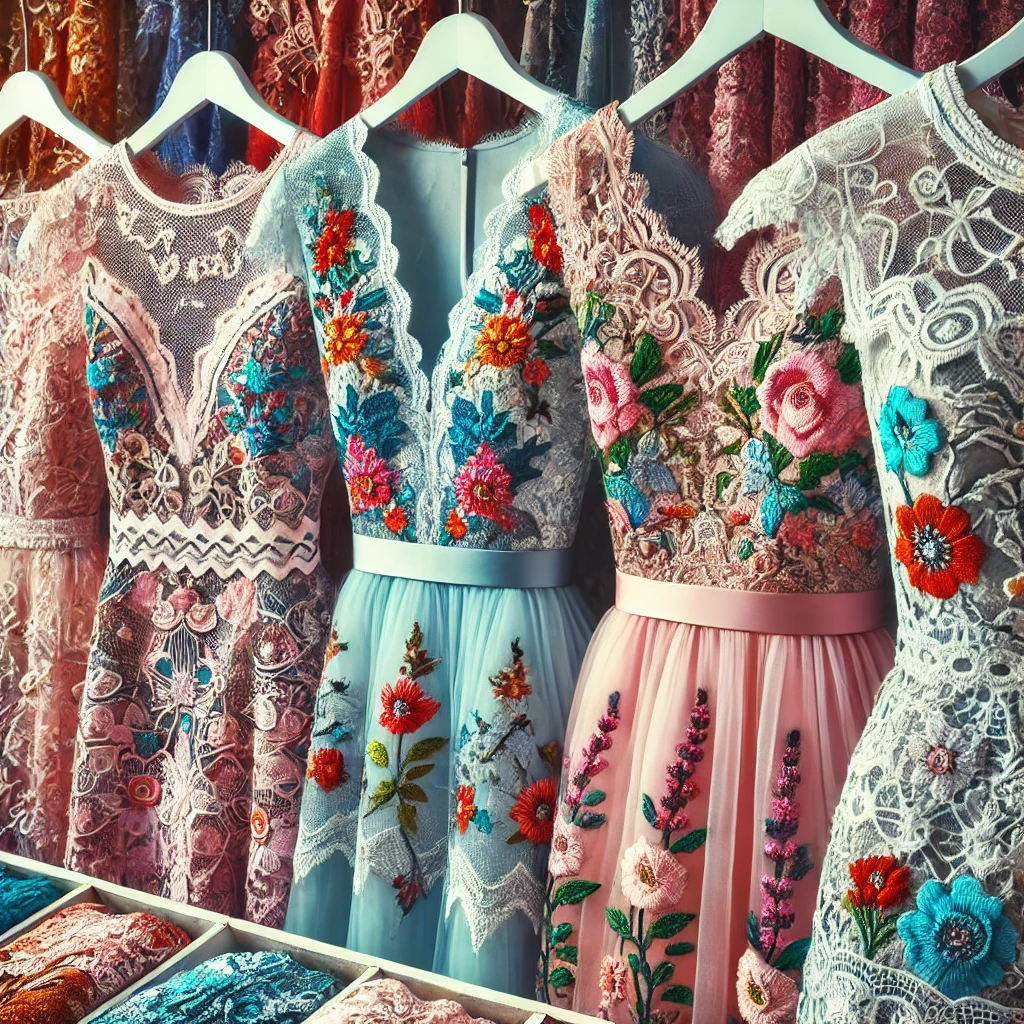
Lace in the Textile Industry: A Comprehensive Exploration
Lace is a delicate and intricately crafted fabric known for its open-weave pattern and ornamental design. Throughout history, lace has been a symbol of luxury, elegance, and craftsmanship. It has been used in various applications, from fashion and bridal wear to home décor and textile art. This article provides a detailed examination of lace, including its history, types, production methods, and modern uses in the textile industry. The aim is to highlight the significance of lace in both historical and contemporary contexts, underscoring its enduring appeal.
History of Lace in Textiles
Lace has a rich history, with its origins dating back to the early 16th century in Europe.
- Origins: Lace is believed to have originated in Italy and Flanders, where artisans began crafting this intricate fabric using linen, silk, and gold threads.
- 16th and 17th Centuries: During the Renaissance period, lace became highly sought after in European courts. It was often used to embellish clothing and accessories, signifying wealth and status.
- 18th and 19th Centuries: The Industrial Revolution introduced machine-made lace, making it more accessible to the general population. Lace became a popular feature in both fashion and home décor.
- 20th Century to Present: Lace continues to be a timeless fabric, evolving with fashion trends. It remains a staple in bridal wear, haute couture, and interior design.
Types of Lace in Textile Manufacturing
Lace can be categorized into several types based on its production method and design patterns. Each type of lace has unique characteristics that influence its use in various textile applications.
- Bobbin Lace
- Description: Bobbin lace is made by weaving threads wound on bobbins around pins set in a pattern on a pillow. This type of lace is known for its intricate and detailed patterns.
- Applications: Often used in garments, home décor, and accessories, bobbin lace adds a delicate and traditional touch to textiles.
- Needle Lace
- Description: Needle lace is created using a needle and thread to form a series of loops, knots, and stitches. This labor-intensive technique allows for highly detailed and complex designs.
- Applications: Needle lace is commonly found in high-end fashion, bridal veils, and heirloom textiles, where its fine detail and craftsmanship are showcased.
- Chemical Lace
- Description: Chemical lace, also known as Schiffli lace, is produced by embroidering a pattern on a fabric base that is later dissolved to leave the lace design intact. This method allows for mass production of lace with intricate designs.
- Applications: Chemical lace is widely used in lingerie, evening wear, and decorative fabrics due to its versatility and ability to replicate hand-made lace patterns.
- Crochet Lace
- Description: Crochet lace is made by using a crochet hook to interlock loops of yarn or thread. It can range from simple to complex patterns and is often crafted by hand.
- Applications: Crochet lace is popular in casual wear, accessories, and home décor items such as tablecloths and curtains, offering a textured and handmade aesthetic.
- Machine-Made Lace
- Description: Machine-made lace is produced using various types of lace-making machines, such as the Leavers or Raschel machines. These machines can create a wide range of lace patterns and textures.
- Applications: Machine-made lace is used in mass-produced clothing, home textiles, and trims due to its efficiency and cost-effectiveness.
Production Methods of Lace
The production of lace varies depending on the type and desired outcome. Both hand-made and machine-made methods are employed in lace manufacturing.
- Hand-Made Lace: Traditional methods such as bobbin lace, needle lace, and crochet lace require skilled artisans and are labor-intensive. These techniques produce lace with intricate designs and a high level of detail.
- Machine-Made Lace: The development of lace-making machines in the 19th century revolutionized lace production. Machines such as the Leavers and Raschel machines allow for the efficient production of complex lace patterns, making lace more accessible and affordable.
Applications of Lace in the Textile Industry
Lace's versatility allows it to be used in a wide range of textile applications, from fashion to home décor.
- Fashion and Apparel
- Description: Lace is a staple in fashion design, particularly in bridal wear, evening gowns, and lingerie. Its delicate and feminine appearance adds elegance and sophistication to garments.
- Uses: Lace is used for embellishments, overlays, and trims, enhancing the aesthetic appeal of clothing. It can be layered over fabrics or used as a standalone material for a sheer effect.
- Home Décor
- Description: Lace is widely used in home textiles such as curtains, tablecloths, and pillow covers. Its intricate patterns and delicate texture contribute to a classic and refined interior aesthetic.
- Uses: Lace can be used to create lace curtains that filter light beautifully or to add decorative accents to table linens and bedding.
- Textile Art and Craft
- Description: Lace-making is considered an art form, with many artisans creating lace pieces as decorative art. The intricate patterns and meticulous craftsmanship involved in lace-making make it a valuable addition to textile art.
- Uses: Lace is used in wall hangings, framed art pieces, and handcrafted accessories, showcasing its versatility beyond functional textiles.
Care and Maintenance of Lace Fabrics
Proper care is essential to preserve the delicate structure and appearance of lace fabrics.
- Washing: Hand wash lace in cold water with a mild detergent. Avoid wringing or twisting the fabric, as this can damage the delicate threads.
- Drying: Lay lace flat to dry on a clean towel. Avoid hanging lace, as this can cause it to stretch out of shape.
- Storage: Store lace in a cool, dry place, preferably wrapped in acid-free tissue paper. Avoid direct sunlight, as it can cause the fabric to yellow over time.
Leading International Manufacturers and Users of Lace in Textiles
Several prominent international companies have established themselves as key manufacturers and users of lace in the textile industry. These organizations are known for their expertise in incorporating lace into high-quality garments, accessories, and home textiles.
- Chantelle Lingerie
- Headquarters: Paris, France
- Overview: Chantelle Lingerie is a renowned French luxury lingerie brand that has been producing exquisite lace undergarments for over a century. Known for combining craftsmanship with innovation, Chantelle employs intricate lace patterns to create elegant and comfortable lingerie.
- Product Focus: The company uses fine lace in bras, panties, and bodysuits, incorporating traditional French lace-making techniques. Its lace designs are often characterized by delicate floral patterns and luxurious finishes.
- Sustainability Initiatives: Chantelle is committed to sustainable manufacturing practices, focusing on the use of eco-friendly materials and ethical production processes to reduce its environmental footprint.
- La Perla
- Headquarters: Bologna, Italy
- Overview: La Perla is an Italian luxury fashion house specializing in lingerie and nightwear. It is acclaimed for its use of premium lace to create sophisticated and sensual garments that are both timeless and contemporary.
- Product Focus: La Perla integrates high-quality lace into its lingerie, robes, and loungewear. The brand often uses Leavers lace, known for its delicate and intricate patterns, to enhance the aesthetic and tactile quality of its products.
- Sustainability Initiatives: The brand emphasizes sustainable luxury by incorporating environmentally responsible materials and adhering to ethical production standards, ensuring the preservation of artisanal lace-making techniques.
- Solstiss
- Headquarters: Caudry, France
- Overview: Solstiss is a world-leading lace manufacturer known for its high-end lace fabrics used in haute couture, bridal wear, and luxury ready-to-wear. The company has a rich heritage in lace-making, dating back to the 19th century.
- Product Focus: Solstiss produces Leavers lace and Chantilly lace, offering a vast collection of designs that cater to the luxury fashion industry. Its lace fabrics are revered for their exquisite patterns and superior quality.
- Sustainability Initiatives: Solstiss is dedicated to sustainable production, implementing eco-friendly practices such as water recycling and reducing chemical use, thereby promoting sustainable luxury in the lace industry.
- H&M
- Headquarters: Stockholm, Sweden
- Overview: H&M, a global fast-fashion retailer, incorporates lace into its diverse range of clothing and accessories. By offering affordable lace garments, H&M makes this traditionally luxury fabric accessible to a broader market.
- Product Focus: The brand uses machine-made lace in products like dresses, blouses, and lingerie. H&M's lace collections often feature trendy designs that align with current fashion trends while providing a delicate and feminine touch.
- Sustainability Initiatives: H&M is committed to sustainable fashion, utilizing recycled lace and organic materials in its Conscious Collection. The company also strives to reduce its carbon footprint through sustainable production practices.
- Zimmermann
- Headquarters: Sydney, Australia
- Overview: Zimmermann is a luxury fashion brand known for its romantic and whimsical designs, often featuring intricate lace detailing. The brand is recognized for its bohemian-inspired collections that showcase lace's versatility and elegance.
- Product Focus: Zimmermann incorporates lace into its dresses, swimwear, and resort wear, blending traditional lace patterns with modern silhouettes. The brand often uses lace as an overlay or embellishment to create textured and layered designs.
- Sustainability Initiatives: Zimmermann focuses on responsible sourcing of materials and ethical production practices, ensuring that its use of lace aligns with its commitment to sustainability and the preservation of artisanal craftsmanship.
The Enduring Appeal of Lace in Modern Textiles
Lace continues to hold a prominent place in the textile industry due to its timeless beauty and adaptability. Its ability to enhance garments and décor with intricate detail and texture has ensured its relevance across centuries. As fashion and interior design trends evolve, lace remains a favored choice for designers seeking to add an element of elegance and sophistication to their creations.
Moreover, the advancements in lace-making technology have allowed for the creation of more intricate designs and the use of lace in new and innovative ways. From the delicate patterns of bridal lace to the bold designs seen in contemporary fashion, lace's versatility and enduring appeal are clear. It serves as a testament to the enduring artistry and craftsmanship that define the textile industry.
In a world where fashion and décor often seek the balance between tradition and modernity, lace stands as a bridge between the past and the present. Its presence in both high-end couture and everyday textiles underscores its universal appeal and its ability to adapt to changing tastes and demands. As the textile industry continues to evolve, lace will undoubtedly remain an integral part of its fabric, celebrated for its beauty, intricacy, and timeless charm.