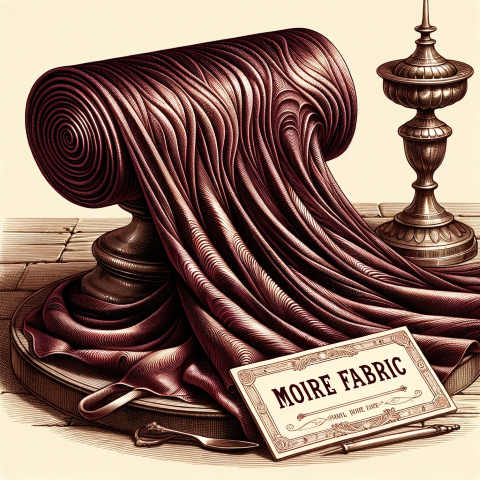
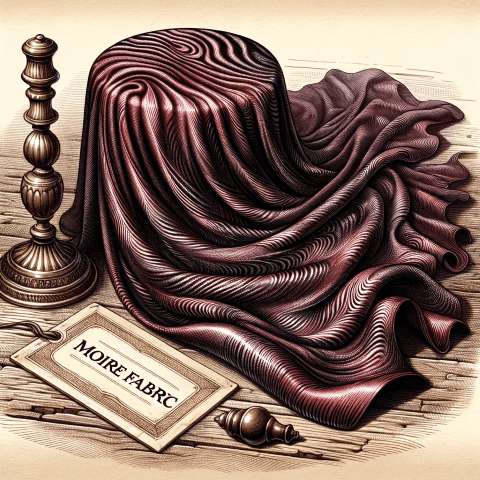
The textile term 'moire' is derived from the French word for 'watered,' referring to its distinctive watermark pattern. This effect, reminiscent of the gentle ripples on a water surface, has fascinated textile connoisseurs for centuries. The history of moire is closely linked with silk fabric production in the Middle Ages, where the technique first appeared as an accidental byproduct of the calendering process. Artisans observed that when certain fabrics were pressed under heat, a unique, lustrous, rippled pattern emerged, enhancing the fabric's visual appeal.
Scabal: Esteemed for their heritage in producing luxurious fabrics, Scabal offers exquisite moire patterns, primarily in silk, for high-end apparel and accessories.
Fabrics de France: A purveyor of fine French textiles, Fabrics de France boasts a range of moire fabrics that cater to both the fashion and interior design industries with their timeless elegance.
Jim Thompson Fabrics: With a fusion of traditional and modern designs, Jim Thompson produces moire textiles that reflect both craftsmanship and contemporary aesthetic sensibilities.
Beacon Hill: Known for luxurious interior fabrics, Beacon Hills collection includes beautifully crafted moire that enriches home dcor with its unique sheen and textured patterns.
Zimmer + Rohde: A leader in textile design, Zimmer + Rohde offers a sophisticated range of moire fabrics that emphasize innovation, quality, and design excellence.
The intricacies of moire fabrication in textiles reveal a harmonious blend of tradition and innovation. This fabric's journey from ancient silk looms to modern design studios underscores its enduring allure. As manufacturers and designers continue to explore the boundaries of textile artistry, moire remains a testament to the ingenuity embedded within the industry. The future of moire lies in its adaptabilityenhancing its environmental sustainability, expanding its application range, and refining the technology to augment its iridescent charm without compromising on quality or detail. As the textile world leans towards integrating sustainable practices, moire's evolution will likely incorporate organic dyes and eco-friendly production techniques. Amidst changing trends, moire stands resilient, its undulating patterns a symbol of the timeless interplay between light, texture, and color in fabrics. Thus, the essence of moire in textiles is not just found in its visual appeal but also in the rich historical tapestry and the innovative spirit it embodiesa legacy that will continue to unfold as it adorns the creations of future generations.
Additional definition by Rajesh Kumar
Moire
Silk, rayon, or cotton in a plain or crosswise rib weave. It has a watermarked finish that is fairly stiff with body in most cases. It is produced by passing the fabric between engraved cylinders which press the design into the material, causing the crushed and uncrushed parts to reflect the light differently. The pattern is not permanent, except on acetate rayon.
— Rajesh KumarRajesh Kumar is an accomplished textile designer with 12 years of experience specializing in men's fashion textiles. He has a deep understanding of fabric construction and a keen eye for detail, which has led him to work with top fashion brands across the country. Rajesh's designs are known for their unique combination of modern aesthetics and traditional craftsmanship, making him a sought-after designer in the textile industry.
Note: This content is for informational purposes only. Please read our full disclaimer for more details.
Flocking is a decorative textile finishing process that involves applying small fibers, called flock, to a surface to create a soft, velvet-like texture. Flocking can be applied to a wide range of...
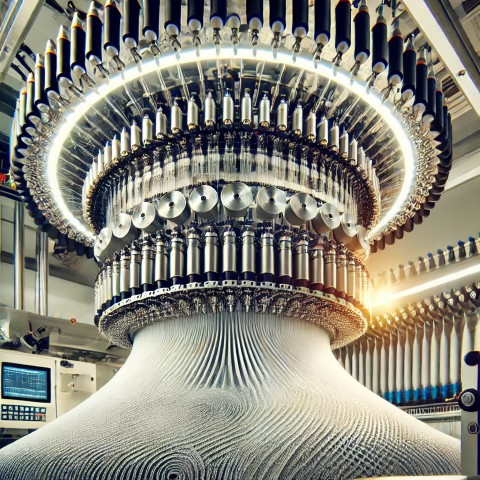
A garment length knitting machine is a specialized type of knitting machine used in the textile industry to produce seamless garments of various lengths. Unlike traditional knitting machines that...
Coif: A Comprehensive Exploration of Its Historical and Cultural Significance The coif is a closely fitted cap that has been worn by men, women, and children throughout history, particularly during...
Grain in the Textile Industry: Understanding Fabric Structure and Quality In the textile industry, "grain" refers to the internal arrangement of fibers and the direction of the weave in a woven...

 Share on X