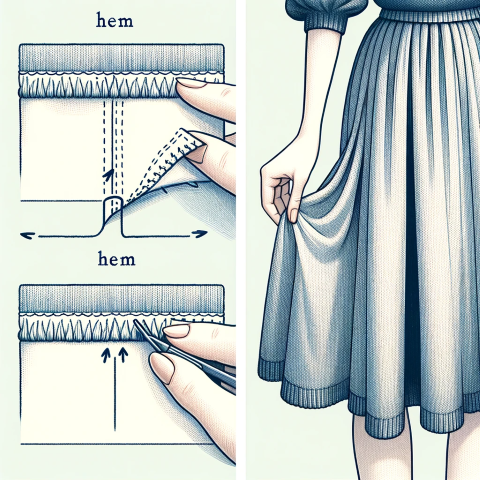
The shirred waist is a design element commonly found in various garments, adding both style and comfort to the wearer. This article provides a detailed explanation of the shirred waist, including its history, types, handling tips, major manufacturers/users, applications, and a distinct conclusion. Explore the fascinating world of the shirred waist and discover its significance in the realm of textiles.
History and Origin of the Shirred WaistThe shirred waist has a rich history dating back centuries. Its origins can be traced to ancient civilizations where clothing was adorned with gathered fabric to create a cinched or elasticized waistline. Over time, the technique evolved, and the shirred waist became a popular design feature in various cultures around the world. Today, it continues to be celebrated for its ability to enhance both aesthetics and comfort.
- Elastic Shirred Waist: This type of shirred waist incorporates an elastic band or thread to create gathers, allowing for easy fitting and adjustable comfort.
- Ruched Shirred Waist: The ruched shirred waist involves creating vertical or diagonal rows of gathers, providing a visually pleasing and textured effect.
- Drawstring Shirred Waist: With a drawstring closure, this type of shirred waist allows the wearer to adjust the fit and tightness according to their preference.
- Smocked Shirred Waist: Smocking is a traditional technique that involves stitching rows of elasticized gathers, creating a highly decorative and stretchable waistband.
- Flat Shirred Waist: In this variation, the shirred effect is achieved through careful placement of gathers, creating a subtle and streamlined waistband.
- Proper Washing: Follow the care instructions provided by the garment manufacturer to maintain the shirred waist's shape and elasticity.
- Avoid Overstretching: When wearing or storing garments with a shirred waist, take care not to stretch the elasticized areas excessively, as it may lead to loss of elasticity.
- Ironing Precautions: Use a low heat setting or steam iron when pressing garments with a shirred waist to prevent damage to the elasticized areas.
- Consider Layering: For a fashionable look, consider layering tops or dresses with a shirred waist over skirts or pants to accentuate the gathered waistline.
- Experiment with Styling: Play with different accessories, belts, or jackets to create unique and versatile outfits with garments featuring a shirred waist.
- H&M: H&M is a renowned international fashion retailer that offers a wide range of clothing, including garments with shirred waist designs.
- Zara: Zara, a popular global fashion brand, frequently incorporates shirred waist elements into their collections, showcasing contemporary and stylish designs.
- Forever 21: Forever 21, known for its trendy and affordable clothing, often features garments with shirred waistlines, catering to fashion-forward individuals.
- ASOS: ASOS, an online fashion destination, offers a diverse selection of clothing, including dresses and tops with shirred waist details, suitable for various occasions.
- Free People: Free People, a bohemian-inspired clothing brand, embraces the shirred waist in their designs, adding a touch of romance and femininity to their garments.
- Summer Dresses: Shirred waistlines are commonly found in summer dresses, providing a flattering and comfortable fit for warm-weather occasions.
- Blouses and Tops: Blouses and tops with shirred waist details add a touch of elegance and femininity to everyday outfits.
- Jumpsuits and Rompers: Jumpsuits and rompers featuring shirred waistbands offer a stylish one-piece option, combining comfort and fashion effortlessly.
- Swimwear: Swimwear with shirred waistlines provides a secure and flattering fit, allowing for movement and comfort while enjoying water activities.
- Skirts: Skirts with shirred waistbands offer versatility and style, making them suitable for both casual and formal occasions.
In conclusion, the shirred waist is a versatile design element that adds both style and comfort to garments. With its rich history and various types, the shirred waist has become a staple in the fashion industry. Major international manufacturers and users, including H&M, Zara, Forever 21, ASOS, and Free People, incorporate the shirred waist into their collections, catering to diverse fashion tastes. The applications of the shirred waist are extensive, ranging from summer dresses and tops to swimwear and skirts, offering fashionable and functional options for various occasions. Whether you're looking for a flattering fit or a touch of femininity, garments with shirred waist details are a great choice. Embrace this timeless design element and elevate your wardrobe with the elegance and comfort it provides.
— Pooja JainPooja Jain is a textile professional with 9 years of experience in textile production and quality assurance. She has worked extensively in the home textiles sector, leading teams to develop innovative solutions for fabric durability and softness. Pooja’s dedication to excellence and her comprehensive understanding of textile chemistry have earned her several industry awards, including a nomination for the Textile Technologist of the Year.

 Share on X