Textile
What is "Spacer Fabric" - Definition & Explanation
Last Updated on: 26-May-2024 (1 year, 11 months, 10 days ago)
Help Us Grow

Spacer Fabrics: Lightweight, Breathable Materials for Activewear and Technical Textiles


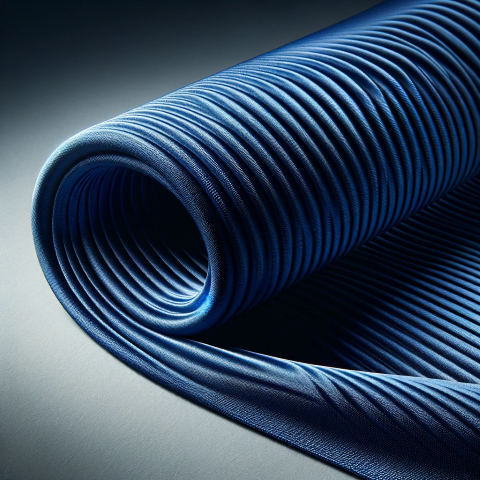
Spacer fabric is a unique type of textile that is made using a specialized manufacturing process. It is characterized by its three-dimensional structure, which consists of two layers of fabric that are joined together by a layer of spacer yarns. The spacer yarns create a gap or "spacer" between the two layers of fabric, which gives the material its unique properties.

The manufacturing process for spacer fabric involves using a circular knitting machine to create a tubular fabric with a continuous length of spacer yarn running through the middle. This tubular fabric is then sliced open and the two layers of fabric are separated, leaving the spacer yarns in the middle. The result is a three-dimensional fabric with a soft, cushioned feel.

Spacer fabric is known for its unique properties, which include breathability, moisture-wicking, and insulation. The spacer yarns in the middle of the fabric create a gap between the two layers of fabric, which allows air to circulate freely through the material. This makes it highly breathable and comfortable to wear in hot or humid conditions. Additionally, the spacer yarns wick moisture away from the body, helping to keep the wearer cool and dry.

In terms of insulation, the air trapped between the two layers of fabric creates a thermal barrier that helps to regulate body temperature. This makes spacer fabric an ideal choice for clothing and other textile products that are designed to provide warmth and protection in cold or harsh environments.

Spacer fabric is also highly versatile and can be used in a wide range of applications, including sportswear, outdoor clothing, upholstery, and medical devices. In sportswear, it is often used to create breathable, moisture-wicking clothing that is designed to keep athletes comfortable during intense physical activity. In outdoor clothing, it can be used to create insulated jackets and other garments that provide warmth and protection in cold or wet conditions.

In upholstery, spacer fabric can be used to create cushions and other soft furnishings that are both comfortable and durable. Its three-dimensional structure helps to distribute weight evenly, reducing pressure points and increasing comfort. It also resists compression over time, ensuring that it retains its shape and resilience.

Finally, in medical devices, spacer fabric can be used to create cushions, supports, and other products that provide comfort and protection for patients. Its breathable and moisture-wicking properties make it ideal for use in wound care and other applications where skin integrity is a concern.

In conclusion, spacer fabric is a unique type of textile that is characterized by its three-dimensional structure and specialized manufacturing process. It is known for its breathability, moisture-wicking, insulation, and versatility, and is used in a wide range of applications, including sportswear, outdoor clothing, upholstery, and medical devices. Its cushioned feel and ability to distribute weight evenly make it a comfortable and durable choice for a variety of textile products.

— Aarav SharmaAarav Sharma is a textile professional with over 8 years of experience in the field of textile engineering. Specializing in textile machinery and production optimization, Aarav has worked with several leading textile manufacturers to improve efficiency and reduce waste. His expertise in mechanical processes and his innovative approach to problem-solving have earned him recognition in the industry, including several awards for excellence in engineering.
Spacer Fabric
Two separate fabrics faces knitted independently and then connected by a separate spacer yarn. These fabrics can be produced on both circular and flat knitting machines. Spacer fabrics have the properties of good breathability, crush resistance, and a 3D appearance.

— TGA StaffTGAcademy Staff Writer

Note: This content is for informational purposes only. Please read our full disclaimer for more details.

Some more terms:

Pick Thread in Weaving: How It Shapes Fabric Density

Pick Thread in Weaving: How It Shapes Fabric Density

03-Jun-2024 • by Aarav Sharma
Textile

In textile manufacturing, a pick refers to a single weft thread that is inserted through the warp yarns during the weaving process. The pick is an essential component of creating woven fabrics, and...

Read about Pick
Hickory Cloth: Unraveling a Staple of American Textile History

Hickory Cloth: Unraveling a Staple of American Textile History

04-May-2024 • by Ananya Thakur
Textile

The Legacy and Significance of Hickory Cloth in Textiles The History and Origin of Hickory Cloth Hickory cloth has its roots deeply embedded in American history, tracing back to the 1900s. This...

Read about Hickory Cloth
Exploring Air Jet Loom: A Textile Industry Game-Changer

Exploring Air Jet Loom: A Textile Industry Game-Changer

07-Oct-2024 • by Ishita Vaidya
Textile

The Evolution and Impact of Air Jet Looms in the Textile Industry The inception of air jet looms marks a significant chapter in the textile industry, revolutionizing fabric production. Emerging in...

Read about Air Jet Looms
Lapels Unveiled: Enhance Your Wardrobe with Timeless Style!

Lapels Unveiled: Enhance Your Wardrobe with Timeless Style!

17-Jul-2024 • by Ishita Vaidya
Textile

Understanding Lapels: A Comprehensive Guide Introduction Lapels are a prominent feature in the world of fashion and textiles, typically referring to the folded flaps of cloth on the front of a jacket...

Read about Lapels
Add a definition
Add a definition for a textile term that you know about! Send us an email & tell us:
  • The term you want to define
  • Its definition in 500 words or less
  • Attach an image if necessary.
  • Optionally, tell us about yourself in 200 words or less!

Companies for Spacer Fabric:
If you manufacture, distribute or otherwise deal in Spacer Fabric, please fill your company details below so that we can list your company for FREE! Send us the following details:
  • Company name
  • Company address
  • Attach a logo, if necessary.
  • Optionally, tell us about yourself in 200 words or less!

Did you know this fact?
The city of Bath was known for its production of woolen cloth in the 18th century.
(s) TextileGlossary.com Some rights reserved. • SitemapDisclaimer