
A type of decorative weave, characterized by a puckered effect which occurs because the tension in the warp yarns is intentionally varied before the filling yarns are placed in the fabric.
Textile
What is “Tension Control Weave”
Last updated 03-May-2024 (2 years, 4 months, 27 days ago)
Share on Facebook Share on X
Share on X
A type of decorative weave, characterized by a puckered effect which occurs because the tension in the warp yarns is intentionally varied before the filling yarns are placed in the fabric.
Additional definition by TGA Staff
Tension Control Weave
A type of decorative weave, characterized by a puckered effect which occurs because the tension in the warp yarns is intentionally varied before the filling yarns are placed in the fabric.
Note: This content is for informational purposes only. Please read our full disclaimer for more details.
Some more terms:

The Drawing Process: A Fundamental Textile Technique
08-Jun-2024 • by Diya Chaudhary
Textile
Drawing is a process in the textile industry that involves the reduction of the thickness of fibers through the use of machines. It is also known as drafting and is commonly used in the spinning of...
Read about Drawing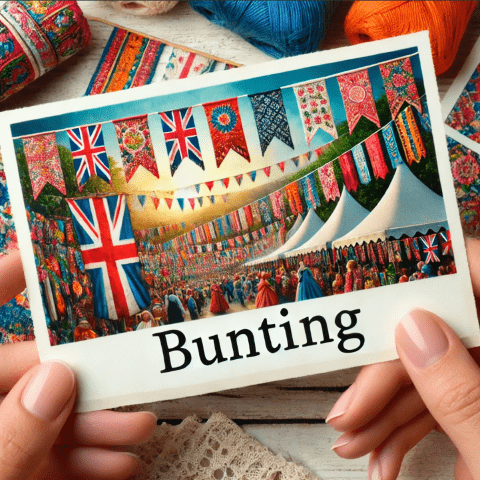
Discover Bunting: Transform Events with Vibrant Decorative Flags
29-Aug-2024 • by Sanya Malhotra
Textile
Bunting is a versatile textile product that is widely used for decorative purposes, especially in festive events, parties, and outdoor celebrations. It is made by joining together multiple pieces of...
Read about Bunting
Fabric Construction Methods Explained: Elevate Your Textile Knowledge Today
29-Jul-2024 • by Tanya Bhatt
Textile
Fabric construction is a fundamental aspect of textile manufacturing that involves the process of creating a fabric by interlacing yarns or fibers together. It plays a crucial role in determining the...
Read about Fabric Construction
Grain Guide: How Fabric Grain Affects Quality and Fit
31-Jul-2024 • by Simran Kaur
Textile
Grain in the Textile Industry: Understanding Fabric Structure and Quality In the textile industry, "grain" refers to the internal arrangement of fibers and the direction of the weave in a woven...
Read about Grain