Agriculture
What is "4-H" - Definition & Explanation
Last Updated on: 20-Sep-2024 (1 year, 7 months, 14 days ago)
Help Us Grow

Discover 4-H: Empowering Future Leaders with Agricultural Education Opportunities


4h-clubs
4h-clubs-1

4-H Youth Development: Empowering Future Leaders Through Agricultural Education

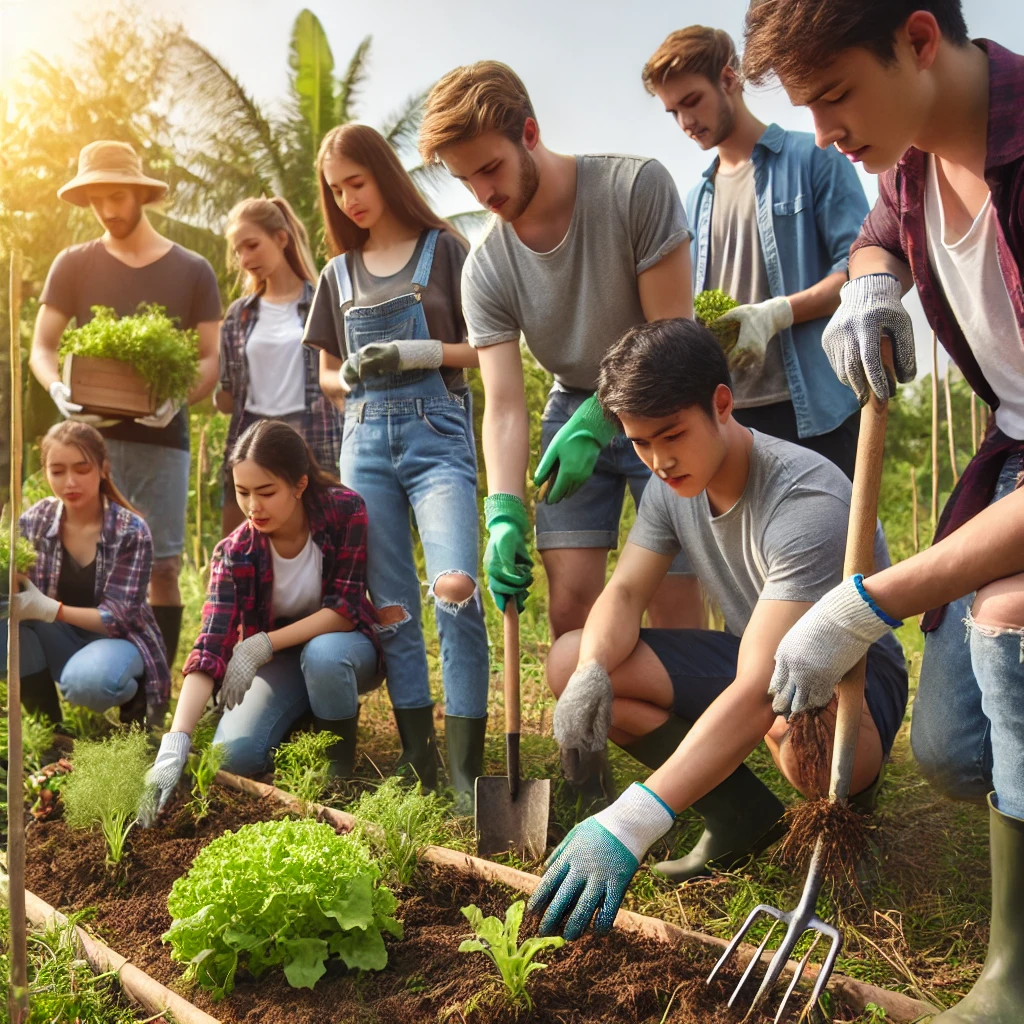
4-H Youth Development is a dynamic global program aimed at equipping young individuals with critical life skills through agricultural education and leadership training. The 4-H framework is built around the values represented by its four "H's" – Head, Heart, Hands, and Health – which emphasize the holistic development of its participants. Through engaging hands-on projects and activities, 4-H offers youth a comprehensive understanding of agriculture, from farming and animal care to environmental sustainability.

In agriculture-focused 4-H clubs, participants have the opportunity to engage in a wide range of projects such as gardening, livestock management, and ecological conservation. These experiences are designed to foster experiential learning, allowing youth to apply theoretical knowledge in real-world settings. Additionally, 4-H promotes personal development through community service, public speaking, and leadership competitions, helping to mold responsible, confident, and capable individuals.

One of the program’s key strengths is its focus on building leadership and citizenship. 4-H encourages participants to take on leadership roles within their communities and to practice teamwork, problem-solving, and decision-making. This not only enhances their agricultural skills but also prepares them for future professional roles in the agricultural sector or other related industries.

Through 4-H, many young people discover a passion for agriculture that evolves into a lifelong career path. With its emphasis on hands-on learning, practical application, and leadership, 4-H is not just an agricultural program – it is a comprehensive youth development initiative that cultivates tomorrow’s leaders by providing them with the tools and knowledge they need to succeed in life.

— TGA StaffTGAcademy Staff Writer

Note: This content is for informational purposes only. Please read our full disclaimer for more details.

Frequently Asked Questions

4-H is a global youth development program designed to empower young people by equipping them with practical skills in agriculture, leadership, and citizenship. Rooted in experiential learning, 4-H engages participants through hands-on activities like gardening, livestock management, and environmental projects, promoting both agricultural literacy and personal growth.

In addition to fostering knowledge about farming and sustainability, 4-H emphasizes leadership, teamwork, and public speaking through activities such as competitions, community service, and club roles. This blend of education and soft skills development ensures that participants become confident future leaders, prepared to excel both within and beyond agriculture.

The four "H's" in 4-H stand for Head, Heart, Hands, and Health, reflecting the program's focus on holistic personal development. These values encourage young people to build intellect (Head), foster kindness and empathy (Heart), develop practical skills (Hands), and nurture physical and emotional well-being (Health).

Each of these core elements aligns with the activities participants engage in—such as problem-solving, volunteering, developing practical agricultural skills, and practicing wellness—to help them become well-rounded individuals who can lead meaningful lives and contribute to their communities.

Participants in 4-H agricultural clubs can explore a variety of projects, including gardening, animal husbandry, conservation, and crop production. These projects often involve raising livestock, tending gardens, or learning about sustainable agriculture practices, allowing youth to connect with the environment and develop farming expertise.

Beyond traditional farming, participants can engage in environmental conservation projects such as tree planting or soil health management. These diverse activities cultivate practical skills while fostering an understanding of eco-friendly agriculture and food production.

4-H promotes leadership development by providing participants with opportunities to take on roles within their clubs, engage in public speaking competitions, and lead community service initiatives. These experiences help youth develop essential skills like decision-making, teamwork, and problem-solving.

Leadership programs in 4-H emphasize responsibility and citizenship, encouraging young people to become proactive leaders in their communities. Many participants go on to pursue leadership roles in agriculture or civic organizations, benefiting from the practical training and networking they gain through the program.

Yes, 4-H serves as a gateway for many young people into careers in agriculture and related industries. Through exposure to farming practices, livestock care, and environmental conservation, participants often discover a passion for the agricultural sector.

The leadership and entrepreneurial skills learned through 4-H competitions, projects, and networking also prepare youth to start businesses, pursue agricultural science degrees, or take up roles in agribusiness, policy, and education, paving the way for lifelong careers in agriculture.

4-H encourages participants to engage in community service projects that address local challenges, such as environmental conservation or hunger relief initiatives. Through these projects, youth learn about civic responsibility and the importance of giving back to their communities.

By practicing active citizenship and volunteering, participants also develop skills in organizing events, collaborating with community members, and making positive social impacts. These experiences instill a sense of responsibility and inspire youth to take on leadership roles within their communities.

What sets 4-H apart from other programs is its strong emphasis on agriculture and hands-on learning. While many youth programs focus on sports or academic enrichment, 4-H offers opportunities to engage directly in agricultural projects, leadership activities, and environmental stewardship.

Additionally, 4-H's core values—Head, Heart, Hands, and Health—provide a framework for personal and professional growth, making it a comprehensive program that prepares participants not only for careers in agriculture but also for responsible, community-oriented living.

Many successful individuals have credited 4-H with shaping their leadership skills and interest in agriculture. Alumni include agricultural scientists, civic leaders, and entrepreneurs who often point to their experiences in 4-H competitions, project-based learning, and leadership roles as pivotal moments in their development.

Numerous 4-H alumni have gone on to found businesses, pursue careers in agricultural innovation, and assume leadership positions in community organizations, demonstrating the program’s lasting impact on participants.

4-H places a strong focus on sustainability and environmental responsibility. Participants learn about practices such as organic farming, water conservation, and biodiversity preservation, which promote eco-friendly agriculture.

Through hands-on projects, 4-H encourages youth to adopt sustainable agricultural methods that minimize environmental impact, preparing them to become stewards of the land and contribute to the future of sustainable farming.

Parents and communities play a vital role in supporting 4-H participants by volunteering, mentoring, and encouraging youth involvement in the program. Communities can also support 4-H projects by providing sponsorships, attending events, and collaborating on service initiatives.

Involvement from parents and community members helps to reinforce the values of 4-H, ensuring that young people receive guidance and encouragement as they develop practical skills and leadership abilities. This collaborative support system strengthens the program’s impact and ensures lasting benefits for participants.

Some more terms:

Acid Soil: Understanding Low pH Soils and Management

Acid Soil: Understanding Low pH Soils and Management

17-Sep-2024 • by Aarav Patel
Agriculture

Acid Soil: Understanding Low pH Soils and Management Acid soils, defined as soils with a pH below 7.0, represent a significant challenge in agriculture, particularly in areas with high rainfall....

Read about Acid Soil
Moringa Farming: A Sustainable Solution for Nutrition and Income Growth

Moringa Farming: A Sustainable Solution for Nutrition and Income Growth

14-Sep-2024 • by Maria Fernandez
Agriculture

Moringa in the Agriculture Industry: A Comprehensive Overview Moringa (Moringa oleifera) is a highly valued plant in the agriculture industry due to its nutritional, medicinal, and economic benefits....

Read about Moringa
Tomatoes and Farming: Maximizing Yield and Profitability in Agriculture

Tomatoes and Farming: Maximizing Yield and Profitability in Agriculture

07-Sep-2024 • by Maria Fernandez
Agriculture

Tomatoes and Farming: Maximizing Yield and Profitability in Agriculture Tomatoes ( Solanum lycopersicum ) are one of the most widely cultivated crops in the world, playing a crucial role in the...

Read about Tomatoes
Vannamei Shrimp Farming Boosts Economic Growth in Developing Countries Today

Vannamei Shrimp Farming Boosts Economic Growth in Developing Countries Today

07-Oct-2024 • by TGA Staff
Agriculture

Vannamei Shrimp Farming in Developing Countries Introduction Vannamei shrimp farming has the potential to contribute significantly to economic development and poverty reduction in developing...

Read about Vannamei shrimp farming
Add a definition
Add a definition for a textile term that you know about! Send us an email & tell us:
  • The term you want to define
  • Its definition in 500 words or less
  • Attach an image if necessary.
  • Optionally, tell us about yourself in 200 words or less!

Companies for 4-H:
If you manufacture, distribute or otherwise deal in 4-H, please fill your company details below so that we can list your company for FREE! Send us the following details:
  • Company name
  • Company address
  • Attach a logo, if necessary.
  • Optionally, tell us about yourself in 200 words or less!

Did you know this fact?
India is a significant producer of turmeric leaves, with cultivation primarily in states like Kerala and Tamil Nadu. Turmeric leaf farming focuses on producing the leaves for use in traditional dishes, wrapping food, and for their medicinal properties.
(s) TextileGlossary.com Some rights reserved. • SitemapDisclaimer