Moringa in the Agriculture Industry: A Comprehensive Overview
Moringa (Moringa oleifera) is a highly valued plant in the agriculture industry due to its nutritional, medicinal, and economic benefits. Native to the Indian subcontinent, Moringa has garnered global attention for its versatility and sustainability. Let's explore Moringa's cultivation practices, uses, and market potential in the agriculture industry. This paper aims to provide an in-depth analysis of Moringa's significance, covering aspects like its nutritional profile, cultivation methods, pest and disease management, economic implications, and its role in sustainable agriculture.
Moringa oleifera, commonly known as the "drumstick tree" or "miracle tree," has long been recognized for its numerous beneficial properties. Originating in the Indian subcontinent, this versatile tree has been incorporated into traditional medicine, nutrition, and agriculture for centuries. Moringa's popularity has surged in recent years due to its exceptional nutritional profile, ease of cultivation, and wide range of applications in various industries. Its fast growth rate and adaptability to different climates make it an attractive option for farmers, particularly in regions with challenging growing conditions. In the context of agriculture, Moringa plays a crucial role in promoting sustainable farming practices, enhancing soil fertility, and offering a resilient crop option for small and large-scale farmers alike. Additionally, its multipurpose nature allows for the utilization of virtually every part of the plant, from leaves and seeds to pods and roots, contributing to its reputation as a "superfood" and a valuable agricultural commodity. This article aims to provide a comprehensive overview of Moringa's impact on the agriculture industry, examining its nutritional value, cultivation techniques, economic potential, and contribution to sustainable farming. By exploring these facets, the article will underscore Moringa's importance as an agricultural crop and its potential to address pressing global issues such as food security, malnutrition, and environmental sustainability.
Moringa's exceptional nutritional composition has positioned it as a vital resource in the health and wellness sectors, as well as an important crop for enhancing food security. Its leaves, seeds, pods, and roots are loaded with essential nutrients, including vitamins, minerals, and proteins, making it a highly nutritious supplement or food source. The leaves are particularly rich in vitamins A, C, and E, which are crucial for maintaining a healthy immune system, skin health, and vision. Moreover, Moringa is an excellent source of minerals like calcium, potassium, and iron, which are essential for bone health, muscle function, and oxygen transport in the blood. The plant's protein content, including essential amino acids, makes it an invaluable dietary component, especially in regions where protein deficiency is a concern. Moringa also contains a high concentration of antioxidants, such as flavonoids and polyphenols, which have been shown to combat oxidative stress and reduce the risk of chronic diseases. The seeds and pods also offer nutritional benefits, being rich in healthy fats and proteins. This rich nutritional profile makes Moringa a strategic crop for addressing malnutrition and promoting health, particularly in developing countries where access to a balanced diet may be limited.
Vitamins: Moringa is a powerhouse of essential vitamins:
Vitamin A: Important for vision, immune function, and skin health. Moringa leaves provide a significant amount of beta-carotene, a precursor to vitamin A.
Vitamin C: Vital for immune defense and skin health. Moringa offers a rich source of vitamin C, aiding in the prevention of scurvy and improving iron absorption.
Vitamin E: Acts as an antioxidant, protecting cells from damage and supporting skin health.
Minerals: The mineral content of Moringa supports various bodily functions:
Calcium: Essential for bone health and development, especially in children and the elderly. Moringa contains more calcium than milk.
Potassium: Helps regulate blood pressure and fluid balance. Moringa provides more potassium than bananas, making it beneficial for heart health.
Iron: Critical for the formation of red blood cells and preventing anemia. Moringa is rich in iron, offering a plant-based source for vegetarians and vegans.
Magnesium: Supports muscle and nerve function. It also plays a role in bone formation and energy production.
Proteins: Moringa is a plant-based protein source:
Essential Amino Acids: Contains all nine essential amino acids, which are the building blocks of proteins. This makes it a complete protein source, essential for growth and tissue repair.
High Protein Content: Moringa leaves have a high protein content, making it an excellent dietary supplement, particularly in areas where animal protein is scarce.
Antioxidants: Moringa is rich in compounds that protect the body:
Flavonoids: Have anti-inflammatory and immune-boosting properties.
Polyphenols: Help in reducing inflammation and lower the risk of chronic diseases.
Ascorbic Acid: Enhances the body's natural defenses and neutralizes free radicals.
Moringa is an ideal crop for cultivation in various climatic conditions due to its resilience and adaptability. It thrives in tropical and subtropical regions but can also grow in arid and semi-arid areas with minimal water supply. This adaptability makes Moringa an excellent choice for farmers in regions prone to drought and water scarcity. The plant can be grown from seeds or cuttings, and its fast growth rate allows for multiple harvests per year, ensuring a steady supply of leaves, pods, or seeds. When cultivated under optimal conditions, Moringa can reach up to 5–10 meters in height, with a deep root system that helps it withstand drought conditions. The plant prefers well-drained, sandy, or loamy soil with a neutral to slightly acidic pH. While it can tolerate poor soil conditions, adding organic matter such as compost or manure can enhance growth and yield. Moringa requires minimal irrigation once established, reducing the strain on water resources, particularly in rain-fed agricultural systems. Moreover, its cultivation can be integrated into agroforestry practices, offering additional benefits such as soil fertility enhancement and erosion control. This section outlines the best practices for Moringa cultivation, covering climate and soil requirements, planting techniques, irrigation, and fertilization.
Climate and Soil:
Climate Requirements: Moringa thrives in warm climates with temperatures between 25°C to 35°C. It can tolerate temperatures up to 48°C, making it suitable for arid and semi-arid regions.
Soil Type: Prefers well-drained sandy or loamy soil. It can grow in poor soils but yields better in nutrient-rich soils. The ideal pH range is 6.0 to 7.5.
Elevation: Can be grown at elevations up to 2000 meters, provided the temperature does not drop below 5°C.
Planting:
Propagation Methods: Can be propagated through seeds or cuttings. Direct seeding is commonly practiced, especially in large-scale cultivation.
Seed Planting: Sow seeds directly into the field at a depth of 1-2 cm. Seeds germinate within 5-12 days.
Spacing: Proper spacing (3x3 meters) ensures adequate sunlight and airflow, promoting healthy growth and reducing disease incidence.
Cuttings: Use 1-meter-long hardwood cuttings with a diameter of at least 4 cm. Plant cuttings vertically in the soil, leaving about 30 cm above the ground.
Irrigation:
Water Requirements: Moringa is drought-resistant and requires minimal water once established. During the initial growth phase, moderate watering is essential.
Rain-fed Cultivation: Ideal for regions with 250-300 mm of annual rainfall. Excessive water can cause root rot, so ensure proper drainage.
Drip Irrigation: Efficient for conserving water and providing consistent moisture, particularly in areas with irregular rainfall patterns.
Fertilization:
Nutrient Requirements: Moringa benefits from organic fertilizers like compost or manure. Chemical fertilizers can be used sparingly to boost growth.
Organic Fertilizers: Use compost, green manure, or vermicompost to enhance soil fertility and support plant growth.
Soil Testing: Conduct soil tests to determine nutrient deficiencies and tailor fertilization accordingly.
Although Moringa is generally resistant to many pests and diseases, it is not entirely immune. Proper pest and disease management is crucial to ensure healthy plant growth and maximize yield. Common pests include aphids, caterpillars, and whiteflies, which can cause damage to leaves, reducing the plant's overall productivity. Fungal diseases such as leaf spot, root rot, and powdery mildew can also affect Moringa, especially in regions with high humidity and poor drainage. Integrated Pest Management (IPM) strategies are recommended to minimize the impact of these pests and diseases while reducing the reliance on chemical pesticides. These strategies include cultural practices such as crop rotation and intercropping, the use of organic pesticides, and biological control methods that promote a balanced ecosystem. Proper spacing and pruning are also essential to ensure adequate air circulation, reducing the likelihood of disease outbreaks. This section will provide detailed guidelines on identifying and managing common pests and diseases in Moringa cultivation.
Pests:
Aphids: Small insects that feed on Moringa leaves, causing yellowing and curling. They secrete honeydew, attracting ants and promoting sooty mold growth.
Caterpillars: Larvae that chew on leaves and stems, leading to defoliation. They can significantly reduce leaf yield if left unmanaged.
Whiteflies: Tiny insects that suck sap from the leaves, causing wilting and weakening the plant. Whiteflies can also transmit plant viruses.
Diseases:
Leaf Spot: Caused by fungal pathogens, it appears as dark spots on leaves, leading to premature defoliation.
Root Rot: Occurs in poorly drained soils where roots become waterlogged, causing decay and plant death.
Powdery Mildew: A fungal disease that presents as a white powdery coating on leaves, reducing photosynthesis and overall plant vigor.
Management Strategies:
Organic Pesticides: Neem oil and insecticidal soaps can control aphids and whiteflies without harming beneficial insects.
Biological Control: Introduce natural predators like ladybugs and lacewings to control aphid populations.
Cultural Practices:
Crop Rotation: Rotate Moringa with non-host crops to break pest and disease cycles.
Intercropping: Plant Moringa with other crops like legumes to enhance biodiversity and reduce pest pressure.
Sanitation: Remove and destroy infected plant parts to prevent the spread of diseases.
Proper Spacing and Pruning: Ensure plants are spaced appropriately to promote air circulation and reduce humidity levels, minimizing disease development.
Moringa is a fast-growing plant that can be harvested multiple times a year, making it a valuable crop for continuous income generation. The harvesting process varies depending on the part of the plant being utilized. Leaves can be harvested as early as 2 months after planting and can be picked every 35-40 days. This frequent harvesting promotes new growth and maximizes leaf production. Pods, which are primarily used in culinary applications, should be harvested when they are young and tender to ensure optimal flavor and texture. Seeds are collected when the pods mature and dry, often after 6–8 months. Proper post-harvest processing is essential to preserve the nutritional quality and extend the shelf life of Moringa products. Leaves can be dried and milled into powder, which can then be packaged and stored in airtight containers. Moringa seed oil, extracted from the seeds, is a valuable product in the cosmetics and health industries. Proper packaging and storage are crucial to prevent moisture loss, preserve quality, and maintain the bioactive compounds in Moringa products. This section provides a detailed guide on the harvesting and post-harvest processing techniques for Moringa.
Leaves:
Harvesting Time: Leaves can be harvested 2 months after planting and then every 35-40 days. Harvesting regularly promotes new growth.
Method: Cut the branches 30-45 cm from the top to encourage branching. Hand-pick leaves to avoid damaging the plant.
Yield: An acre of Moringa can yield up to 3-5 tons of fresh leaves per year.
Pods:
Harvesting Time: Pods are harvested when young and tender, typically 5-6 months after planting.
Method: Hand-pick or use pruning shears to cut the pods. Avoid harvesting mature pods as they become fibrous.
Yield: An acre can produce 500-800 kg of pods annually.
Seeds:
Harvesting Time: Seeds are collected when the pods mature and turn brown, usually after 6-8 months.
Method: Cut the pods and air-dry them. Once dried, shell the pods to extract the seeds.
Yield: Each pod contains 10-15 seeds, with an acre yielding up to 500 kg of seeds per year.
Post-Harvest Processing:
Drying:
Leaves: Spread leaves on a clean surface and dry them in the shade to retain their green color and nutritional content.
Seeds: Dry seeds in a well-ventilated area to reduce moisture content before oil extraction.
Milling:
Leaf Powder: Grind dried leaves into a fine powder using a milling machine. Sieve the powder to ensure uniform consistency.
Oil Extraction:
Seed Oil: Use cold-press or solvent extraction methods to extract oil from seeds. Moringa oil is rich in oleic acid and is used in cosmetics and cooking.
Packaging and Storage:
Leaf Powder: Store in airtight containers to prevent moisture absorption and preserve nutritional quality.
Seed Oil: Store in dark bottles to protect against oxidation and prolong shelf life.
Moringa offers significant economic potential due to its wide range of applications in various industries, including food, pharmaceuticals, cosmetics, and agriculture. As a highly nutritious food source, Moringa leaves and pods are used to produce health supplements, teas, and functional foods, catering to the growing demand for natural and organic products. In the pharmaceutical industry, Moringa's bioactive compounds have led to its use in traditional and modern medicine for treating various ailments. Moringa seed oil, known for its emollient properties, is a valuable ingredient in the cosmetics industry, used in skincare and hair care products. Additionally, Moringa's role in sustainable agriculture, as an organic fertilizer and animal feed, enhances its economic value. With the global trend towards health and wellness, Moringa products are in high demand, particularly in export markets like Europe, North America, and Asia-Pacific. The plant's ability to grow in diverse climates makes it an attractive crop for small and large-scale farmers, providing income generation opportunities. This section will explore the economic potential of Moringa, highlighting its diverse applications and market opportunities.
Food Industry:
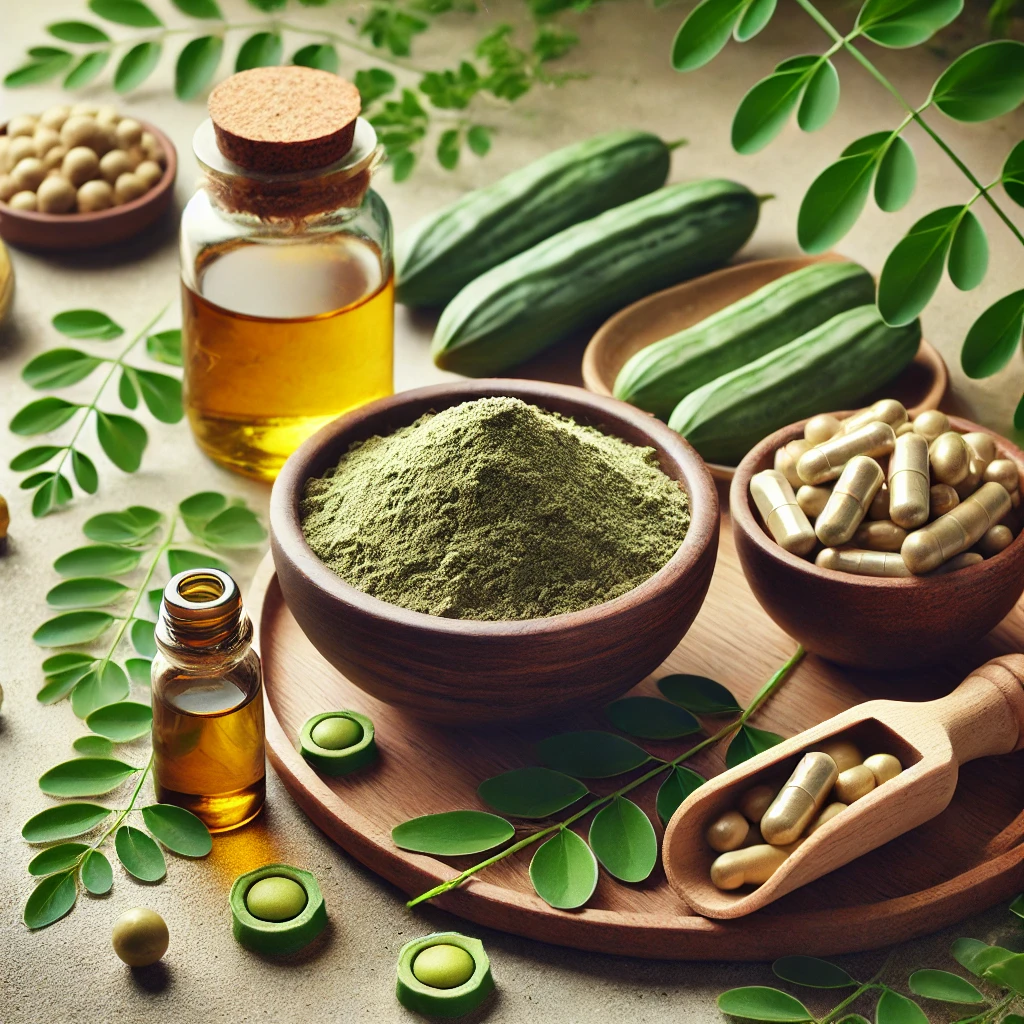
Moringa Powder: Produced from dried leaves, Moringa powder is sold as a dietary supplement. It is added to smoothies, soups, and beverages for its nutritional benefits.
Teas and Capsules: Moringa leaf tea and capsules are popular health products. They are marketed for their antioxidant and immune-boosting properties.
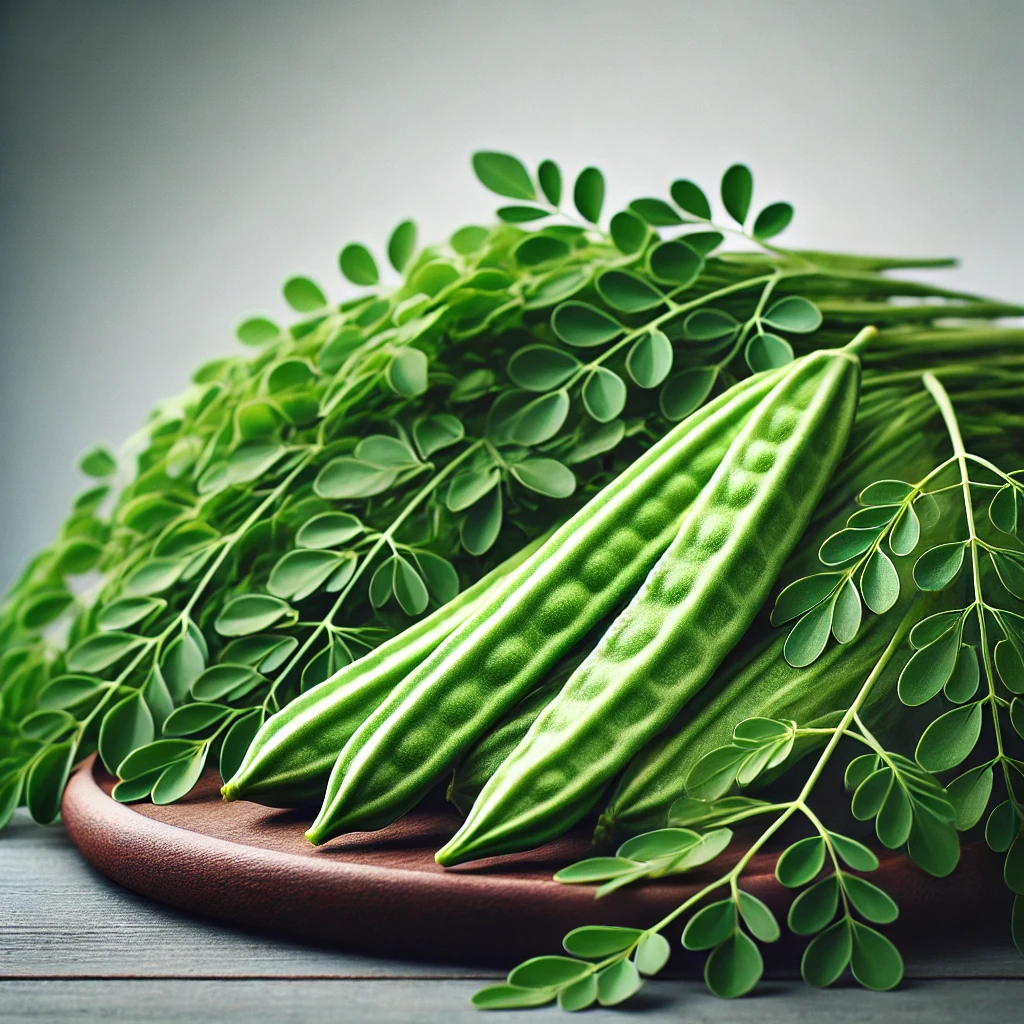
Culinary Uses: Moringa pods (drumsticks) are used in cooking, especially in Indian cuisine. They are rich in nutrients and add flavor to dishes.
Pharmaceuticals:
Traditional Medicine: Moringa has been used in Ayurvedic and traditional medicine for centuries to treat conditions like inflammation, diabetes, and digestive disorders.
Modern Medicine: Research into Moringa's bioactive compounds has led to its inclusion in supplements and herbal remedies. It is studied for its potential anti-cancer, anti-inflammatory, and antimicrobial properties.
Cosmetics:
Moringa Oil: Extracted from seeds, Moringa oil is a key ingredient in skincare products due to its moisturizing and anti-aging properties. It is also used in hair care products to promote scalp health and hair growth.
Natural Beauty Products: Moringa's high content of antioxidants and fatty acids makes it ideal for natural and organic beauty products.
Agriculture:
Animal Feed: Moringa leaves and pods are used as a nutritious feed for livestock. They enhance milk production in dairy animals and improve animal health.
Organic Fertilizer: Moringa leaf extracts are used as natural fertilizers and growth enhancers for crops. They improve soil fertility and plant growth.
Biofuel:
Seed Oil: Moringa seed oil can be processed into biodiesel, offering a sustainable energy source. Its high oil content and quality make it a promising biofuel feedstock.
Sustainable Energy: Moringa-based biofuel production contributes to renewable energy efforts and reduces dependence on fossil fuels.
Moringa plays a significant role in promoting sustainable agriculture due to its ability to grow in a variety of soil types and climates with minimal inputs. It is a drought-resistant crop that requires low water usage, making it suitable for cultivation in arid and semi-arid regions. The plant's deep root system helps prevent soil erosion, contributing to land conservation. Furthermore, Moringa enhances soil fertility through nitrogen fixation, improving the soil's organic matter content. Its leaves and seeds can be used as natural fertilizers and biopesticides, reducing the need for chemical inputs and promoting eco-friendly farming practices. Additionally, Moringa can be integrated into agroforestry systems, where it serves as a shade tree and provides habitat for beneficial organisms, thus promoting biodiversity. Its rapid growth and ability to be harvested multiple times a year make it an excellent source of food and income for smallholder farmers, supporting food security and rural development. This section explores Moringa's contribution to sustainable agriculture, highlighting its environmental and socio-economic benefits.
Soil Fertility:
Nitrogen Fixation: Moringa enhances soil fertility by fixing nitrogen, a crucial nutrient for plant growth. It improves soil structure and promotes the growth of other crops.
Organic Matter: Moringa leaves, when used as mulch or green manure, add organic matter to the soil. This improves soil texture, water retention, and nutrient availability.
Erosion Control:
Root System: Moringa's deep root system anchors the soil, preventing erosion caused by wind and water. It is particularly effective on slopes and in areas prone to soil degradation.
Soil Conservation: By reducing soil erosion, Moringa helps maintain soil health and productivity, ensuring long-term agricultural sustainability.
Agroforestry:
Shade and Shelter: Moringa can be integrated into agroforestry systems, providing shade and windbreaks for other crops. This creates a microclimate that enhances crop growth and biodiversity.
Biodiversity: Moringa supports a diverse ecosystem by providing habitat and food for beneficial insects and birds. This promotes natural pest control and pollination.
Water Conservation:
Low Water Requirement: Moringa requires minimal water for growth, making it an ideal crop for rain-fed agriculture. It reduces the strain on water resources and supports farming in drought-prone areas.
Water Purification: Moringa seeds contain natural coagulants that can purify water by removing impurities. This has applications in rural communities with limited access to clean water.
The global market for Moringa is expanding rapidly due to increasing awareness of its health benefits and environmental sustainability. Consumers are seeking natural and organic products, leading to a growing demand for Moringa-based health supplements, skincare products, and functional foods. The rising trend of plant-based diets and superfoods has further propelled Moringa into the spotlight, positioning it as a key ingredient in the health and wellness industry. In addition to consumer products, Moringa is gaining traction in the agriculture sector as a source of organic fertilizer, animal feed, and biofuel. The export market presents significant opportunities for Moringa producers, particularly in Europe, North America, and Asia-Pacific, where the demand for high-quality Moringa products is high. However, market access and quality control remain challenges for small-scale farmers. Adopting certification standards and implementing good agricultural practices can enhance market competitiveness. This section will delve into the current market trends, opportunities, and challenges for Moringa, highlighting the potential for economic growth and development.
Export Markets:
High Demand: There is a growing demand for Moringa products in international markets, particularly in Europe, North America, and Asia-Pacific. These regions have a strong preference for natural and organic health products.
Quality Standards: Meeting international quality standards and certification requirements is essential for accessing export markets. Organic certification and fair trade practices can enhance marketability and consumer trust.
Value-Added Products:
Moringa Powder: One of the most popular Moringa products, Moringa powder is used in dietary supplements, smoothies, and health foods. It is marketed for its high nutrient content and health benefits.
Moringa Oil: Moringa seed oil is used in cosmetics and personal care products for its moisturizing and anti-aging properties. It is also used in cooking and as a salad dressing.
Moringa Capsules and Extracts: Moringa capsules and extracts are widely used as dietary supplements for their antioxidant and anti-inflammatory properties.
Investment Opportunities:
Small-Scale Farming: Moringa cultivation offers income generation opportunities for smallholder farmers. It requires low investment and provides a quick return on investment due to its fast growth and multiple harvests per year.
Commercial Farming: Commercial Moringa farming is gaining momentum, with large-scale producers investing in value-added products and processing facilities. This creates opportunities for job creation and rural development.
Challenges:
Market Access: Small-scale farmers face challenges in accessing international markets due to a lack of market information, quality standards, and certification processes.
Quality Control: Ensuring consistent quality and meeting export standards is crucial for market success. Quality control measures, such as proper harvesting, processing, and packaging, are essential.
Despite its numerous advantages, Moringa cultivation is not without challenges. Small-scale farmers often face difficulties in accessing quality seeds, adequate knowledge of best practices, and market information. Ensuring consistent quality of Moringa products, especially for export markets, requires adherence to stringent quality control measures, including proper harvesting, processing, and packaging. Additionally, the presence of pests and diseases, though relatively limited, can impact crop yield and quality. There is also a need for more research and development to optimize Moringa cultivation practices, such as pest control, soil management, and yield improvement. Addressing these challenges requires a concerted effort from agricultural stakeholders, including researchers, policymakers, and farmers. This section discusses the key challenges in Moringa cultivation and provides insights into potential solutions.
Market Access:
Limited Market Information: Small-scale farmers often lack access to market information, including demand, pricing, and consumer preferences. This limits their ability to market their products effectively.
Certification: Obtaining organic and fair trade certifications can be costly and complex, posing a barrier to market entry for smallholders. Certification is essential for accessing high-value export markets.
Quality Control:
Consistent Quality: Ensuring consistent quality across batches is crucial for market success. Quality control involves proper harvesting, processing, and storage practices to preserve the nutritional content and shelf life of Moringa products.
Standards Compliance: Meeting international quality standards, such as ISO and HACCP, is necessary for exporting Moringa products. This requires investment in infrastructure and training.
Research and Development:
Pest Control: While Moringa is relatively resistant to pests and diseases, infestations can still occur. Research into integrated pest management (IPM) strategies is needed to minimize crop losses.
Yield Optimization: Research into soil management, irrigation practices, and plant breeding can enhance Moringa yields and quality. This includes developing high-yielding and disease-resistant Moringa varieties.
Moringa has gained significant attention as a nutraceutical due to its high nutrient content and potential health benefits. Nutraceuticals are products derived from food sources that provide health benefits beyond basic nutrition, including the prevention and treatment of disease. Moringa's leaves, in particular, are rich in vitamins, minerals, proteins, and antioxidants, making them a popular ingredient in dietary supplements and functional foods. Studies have shown that Moringa possesses anti-inflammatory, anti-diabetic, and cholesterol-lowering properties, among others, making it a valuable addition to the nutraceutical industry. The growing demand for natural and plant-based health products has propelled Moringa into the global market as a superfood and a natural remedy for various health conditions. This section explores Moringa's role in the nutraceutical industry, its health benefits, and its applications in supplements and functional foods.
Supplements:
Moringa Leaf Powder: Moringa leaf powder is commonly used in dietary supplements for its rich nutrient profile. It is available in powder, capsule, and tablet forms.
Moringa Extracts: Moringa extracts are used in liquid and encapsulated supplements for their concentrated bioactive compounds, including flavonoids, polyphenols, and saponins.
Functional Foods:
Smoothies and Teas: Moringa is added to smoothies, teas, and energy bars as a nutrient booster. Its antioxidant properties support immune function and overall health.
Beverages and Snacks: Moringa is incorporated into beverages, protein bars, and snack foods to enhance their nutritional value and provide health benefits.
Health Benefits:
Immune Support: Moringa's high vitamin and antioxidant content supports the immune system and helps combat oxidative stress. It is also known for its anti-inflammatory properties.
Anti-Inflammatory: Moringa contains bioactive compounds that reduce inflammation, making it beneficial for individuals with chronic inflammatory conditions like arthritis.
Metabolic Health: Moringa has been shown to regulate blood sugar levels and support metabolic health, making it a valuable supplement for individuals with diabetes.
Moringa cultivation has a profound socio-economic impact, particularly in developing countries where agriculture plays a pivotal role in livelihoods and food security. It provides a sustainable source of income for small-scale farmers, helping to alleviate poverty and improve living standards. In many rural communities, Moringa is used as a nutritional supplement, addressing issues of malnutrition and food insecurity. Its rapid growth and low input requirements make it an accessible crop for farmers with limited resources. Moreover, Moringa farming can empower women and marginalized groups by providing opportunities for income generation and entrepreneurship. The plant's versatility allows for various value-added products, creating additional revenue streams and contributing to local economies. This section examines the socio-economic impact of Moringa cultivation, including its role in income generation, nutritional security, and community development.
Income Generation:
Small-Scale Farmers: Moringa cultivation provides a source of income for small-scale farmers, particularly in developing countries. Its low input requirements and fast growth make it an ideal crop for farmers with limited resources.
Value-Added Products: Moringa can be processed into various value-added products, including leaf powder, oil, and supplements. These products have higher market value and generate additional revenue for farmers.
Nutritional Security:
Addressing Malnutrition: Moringa is a rich source of essential nutrients, making it a valuable food supplement in regions with high rates of malnutrition. Its leaves are particularly rich in vitamins, minerals, and proteins.
Food Security: Moringa can be grown year-round, providing a consistent food source for communities. It can be harvested multiple times a year, ensuring a steady supply of nutritious food.
Empowerment:
Women's Involvement: Moringa cultivation and processing provide opportunities for women to participate in income-generating activities. Women are often involved in harvesting, processing, and selling Moringa products.
Community Development: Moringa farming contributes to rural development by creating jobs, promoting entrepreneurship, and supporting local economies.
Moringa stands out as a versatile and sustainable crop with vast potential in the agricultural sector. Its robust nutritional profile, ease of cultivation, and adaptability to diverse climates make it an invaluable asset to food security and economic development. Moringa's multifaceted applications, ranging from dietary supplements to biofuel, underline its importance as a cornerstone of sustainable agriculture and rural livelihoods.
Moringa holds immense promise for the future of agriculture due to its diverse applications and adaptability to various environments. Its role in sustainable farming practices and its potential to address food security challenges make it an invaluable resource. Additionally, Moringa’s economic viability presents opportunities for farmers, especially in regions with limited agricultural options.
Continued research and development efforts are needed to overcome the challenges associated with Moringa cultivation, including pest management, market access, and quality control. Expanding the global market for Moringa products will require collaborative efforts from industry stakeholders, researchers, and policymakers.
Ultimately, Moringa's contribution to health, nutrition, and sustainable agriculture underscores its significance as more than just a crop. It represents a holistic solution that integrates environmental conservation, economic development, and human well-being. As awareness of its benefits grows, Moringa is poised to become an integral part of the agricultural landscape.
Note: This content is for informational purposes only. Please read our full disclaimer for more details.
Frequently Asked Questions
Moringa thrives in warm tropical and subtropical climates, with an optimal temperature range between 25°C to 35°C. It can tolerate temperatures up to 48°C but is sensitive to frost. The plant prefers well-drained sandy or loamy soils with a pH range of 6.0 to 7.5. Although it can grow in poor soil conditions, adding organic matter such as compost or manure can enhance its growth and yield. Moringa is highly drought-resistant and can grow in areas with annual rainfall ranging from 250 mm to over 1,000 mm.
However, proper irrigation is essential during the initial growth stages to ensure healthy establishment. Excessive water should be avoided, as waterlogging can cause root rot. In regions with limited water availability, drip irrigation is recommended for efficient water use. Moringa can also grow in regions up to 2,000 meters in elevation, provided temperatures do not fall below 5°C. Its adaptability to various climates and soils makes it an excellent crop for farmers in diverse regions.
Moringa is a fast-growing plant that allows for multiple harvests per year. Leaves can be harvested as early as 2 months after planting and subsequently every 35-40 days. Regular harvesting of the leaves not only ensures a continuous supply but also promotes new growth and increases the plant's overall yield. The pods, commonly referred to as "drumsticks," can be harvested 5-6 months after planting, when they are young and tender.
For seed production, the pods should be left to mature and dry on the tree, which usually takes about 6-8 months. Moringa's versatility extends to various parts of the plant: the leaves are used for nutritional supplements, the pods are consumed as vegetables, the seeds yield oil, and the roots can be used for medicinal purposes. This multipurpose nature makes Moringa an invaluable crop for smallholder and commercial farmers.
Moringa leaves are rich in essential nutrients, making them a highly nutritious food source. They are packed with vitamins A, C, and E, which support immune function, skin health, and vision. Moringa leaves are also a significant source of minerals such as calcium, potassium, iron, and magnesium. Calcium is crucial for bone health, potassium helps regulate blood pressure, iron is vital for oxygen transport in the blood, and magnesium supports muscle and nerve function.
Additionally, Moringa leaves contain all nine essential amino acids, making them a complete plant-based protein source. They are also rich in antioxidants like flavonoids and polyphenols, which help protect the body against oxidative stress and reduce the risk of chronic diseases. Due to their dense nutritional profile, Moringa leaves are often used in dietary supplements, powders, and teas to boost nutrition, particularly in regions with limited access to diverse foods.
Moringa plays a significant role in promoting sustainable agriculture due to its resilience, low water requirements, and ability to enhance soil fertility. Its deep root system helps prevent soil erosion, making it an ideal crop for land conservation. Moringa improves soil fertility through nitrogen fixation, enriching the soil with essential nutrients. When used as mulch or green manure, Moringa leaves add organic matter to the soil, enhancing soil structure, water retention, and nutrient availability.
The plant's ability to grow in arid and semi-arid regions with minimal inputs makes it suitable for rain-fed agriculture, reducing the reliance on irrigation and chemical fertilizers. Additionally, Moringa can be integrated into agroforestry systems, where it serves as a shade tree and promotes biodiversity by providing habitat for beneficial organisms. Its use in organic farming practices, as a natural fertilizer and pest repellent, further underscores its role in sustainable agriculture.
Moringa is generally resistant to many pests and diseases; however, it can be affected by certain common pests such as aphids, caterpillars, and whiteflies. Aphids feed on the plant's sap, causing yellowing and curling of leaves, while caterpillars and whiteflies can cause defoliation and weaken the plant. Fungal diseases like leaf spot, root rot, and powdery mildew can also impact Moringa, especially in humid conditions. Integrated Pest Management (IPM) strategies are recommended for managing these issues.
Organic pesticides, such as neem oil and insecticidal soaps, can effectively control aphid and whitefly infestations. Biological control methods, like introducing natural predators such as ladybugs, can help manage pest populations. Cultural practices like crop rotation, intercropping, proper spacing, and pruning promote air circulation and reduce disease incidence. Removing and destroying infected plant parts and maintaining good field sanitation are crucial to preventing the spread of diseases.
Moringa oil, also known as Ben oil, is extracted from the seeds of the Moringa tree. The extraction process typically involves two methods: cold-pressing and solvent extraction. In the cold-pressing method, Moringa seeds are cleaned, de-hulled, and then pressed to extract the oil. This method preserves the oil's natural nutrients and yields high-quality, edible oil. In solvent extraction, a solvent such as hexane is used to dissolve the oil from the seeds, which is then separated and refined.
Moringa oil is rich in oleic acid, antioxidants, and vitamins, making it highly valued in the cosmetics and health industries. It is used in skincare products for its moisturizing and anti-aging properties, in hair care for its nourishing effects, and in cooking as a healthy edible oil. Its stability and resistance to rancidity make it an excellent base oil for perfumes and aromatherapy.
Moringa is a powerful tool in combating malnutrition, particularly in developing countries where access to diverse and nutrient-rich foods is limited. Moringa leaves are rich in essential vitamins, minerals, proteins, and antioxidants, making them an excellent dietary supplement. They provide a concentrated source of nutrients such as vitamin A, which supports eye health, iron, which prevents anemia, and calcium, which is vital for bone development.
Incorporating Moringa into the diet can help improve nutritional intake, particularly in children, pregnant women, and the elderly. Moringa leaves can be consumed fresh, cooked, or dried into powder and added to various foods, such as soups, stews, and porridges. This versatility makes it easy to integrate into local diets. Furthermore, Moringa can be cultivated locally, providing a sustainable and cost-effective solution to malnutrition and supporting food security in vulnerable communities.
Moringa supports immune function and overall health through its rich nutritional and bioactive compounds. It contains vitamins A, C, and E, which are essential for maintaining a healthy immune system. Vitamin A plays a crucial role in immune responses, helping to protect the body against infections. Vitamin C enhances the body's natural defenses and promotes the production and function of white blood cells. Vitamin E acts as an antioxidant, protecting cells from damage caused by free radicals.
Moringa also contains bioactive compounds such as flavonoids, polyphenols, and saponins, which exhibit anti-inflammatory, antimicrobial, and antioxidant properties. These compounds help reduce inflammation, combat oxidative stress, and support the body's ability to fight off pathogens. Regular consumption of Moringa can help boost immunity, support digestive health, improve energy levels, and contribute to overall well-being.
Yes, Moringa can be used as a natural fertilizer and pesticide, promoting organic and eco-friendly farming practices. Moringa leaf extracts are rich in essential nutrients like nitrogen, phosphorus, and potassium, which are beneficial for plant growth. When used as a foliar spray, Moringa extract can enhance crop yields, improve plant health, and boost resistance to pests and diseases. It stimulates plant growth by providing micronutrients and growth hormones such as cytokinin.
Moringa also has natural pesticidal properties; its leaves and seeds contain bioactive compounds that repel pests like aphids and caterpillars. A natural pesticide can be prepared by crushing Moringa leaves and soaking them in water to create a spray. Using Moringa as a natural fertilizer and pesticide helps reduce the reliance on chemical inputs, contributing to sustainable agriculture and environmental conservation.
Cultivating Moringa offers significant economic benefits for farmers, especially in regions with limited agricultural options. Moringa is a low-maintenance, fast-growing crop that can be harvested multiple times a year, providing a consistent income source. Its high market demand in the health, food, and cosmetics industries makes it a lucrative crop for both small-scale and commercial farmers.
Moringa leaves, powder, oil, and seeds can be sold in various forms, including supplements, teas, skincare products, and animal feed, allowing farmers to tap into diverse markets. Additionally, Moringa's resilience and ability to thrive in challenging conditions reduce the risk of crop failure and input costs, enhancing profitability. By adopting value-added processing, such as producing Moringa powder or oil, farmers can increase their revenue and access higher-value markets, contributing to economic growth and rural development.
Cultivating and Profiting from Honey: A Comprehensive Overview Honey has been valued since ancient times for its sweetness, nutritional properties, and medicinal benefits. It plays a crucial role in...
Rosenbergii Prawn Farming: A Comprehensive Guide Introduction Rosenbergii prawns, also known as giant freshwater prawns, are a popular species for aquaculture due to their large size, delicious...
Challenges in Rosenbergii Prawn Farming Rosenbergii prawn farming, while offering significant economic and social benefits, is not without its challenges. Farmers and aquaculture businesses face...
Vannamei Shrimp Farming: A Comprehensive Guide Introduction Vannamei shrimp, also known as Pacific white shrimp or King prawn, are a popular species for aquaculture due to their rapid growth rate,...

 Share on X