Share on X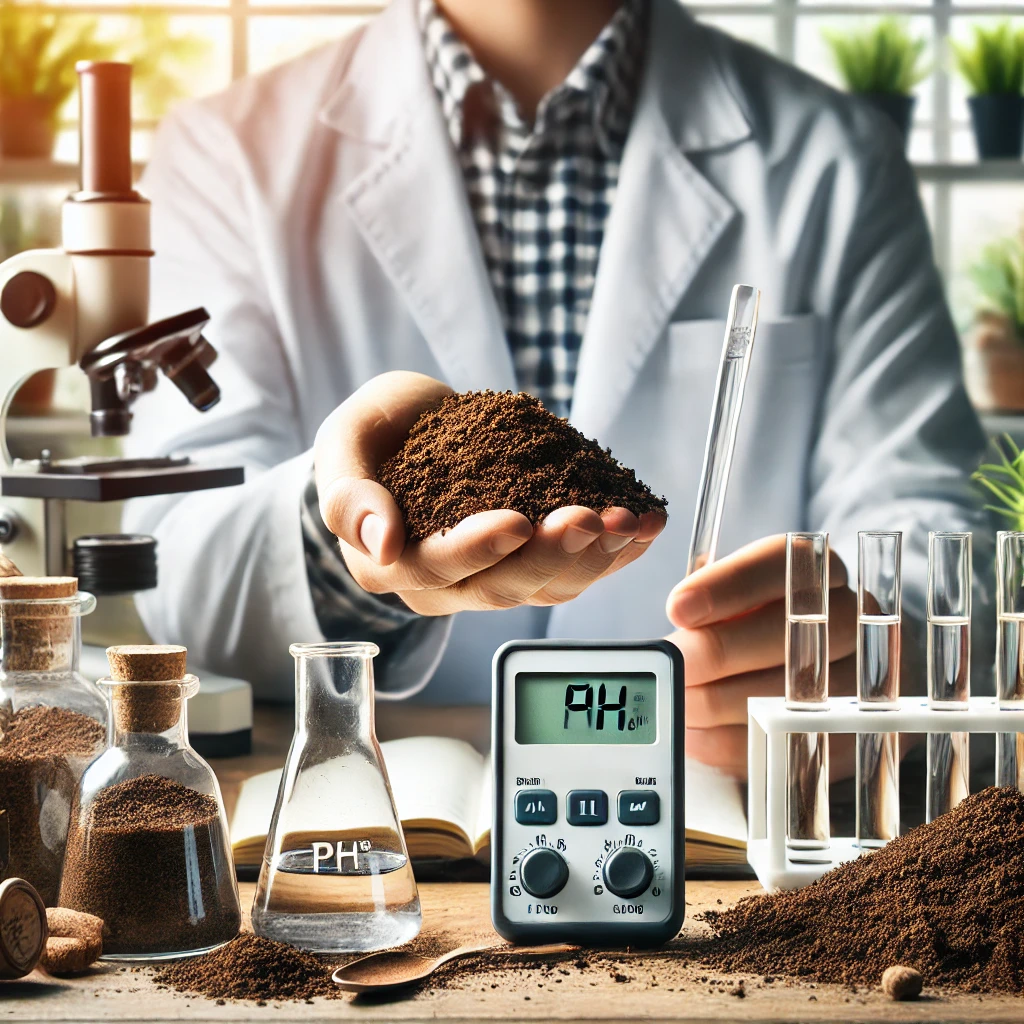
Acid Soil: Understanding Low pH Soils and Management
Acid soils, defined as soils with a pH below 7.0, represent a significant challenge in agriculture, particularly in areas with high rainfall. These soils develop over time due to natural processes such as leaching of essential nutrients and the decomposition of organic matter, as well as anthropogenic activities like intensive cropping and fertilizer application. Acid soils can significantly impact crop growth, leading to nutrient deficiencies, toxicities, and poor soil structure. For farmers and land managers, understanding the causes and effects of soil acidity is crucial for implementing effective management strategies. By identifying the factors contributing to soil acidity and utilizing appropriate amendments like liming, the adverse effects of acid soils can be mitigated, thereby improving crop yields and maintaining soil health. This article provides a comprehensive exploration of acid soils, including their causes, impacts on plant growth, pH measurement techniques, management strategies, and practical implications for sustainable agriculture. By addressing these key aspects, the article aims to serve as a guide for farmers, agronomists, and researchers in optimizing soil conditions for enhanced productivity and environmental sustainability.
Causes of Acid Soil
The formation of acid soils is influenced by a combination of natural and human-induced factors. In high-rainfall regions, the leaching of basic cations such as calcium and magnesium is a natural process that results in soil acidification over time. Additionally, soils that develop from acidic parent materials, such as granite and sandstone, are inherently more acidic. The decomposition of organic matter and plant root activity also play significant roles in lowering soil pH by releasing organic acids into the soil. Agricultural practices, including the excessive use of ammonium-based fertilizers and continuous cropping without replenishing soil nutrients, exacerbate soil acidity. This section delves into the various environmental, biological, and agricultural factors that contribute to soil acidification, highlighting the complexity and interplay of processes that lead to the formation of acid soils.
Environmental Factors
- High Rainfall:
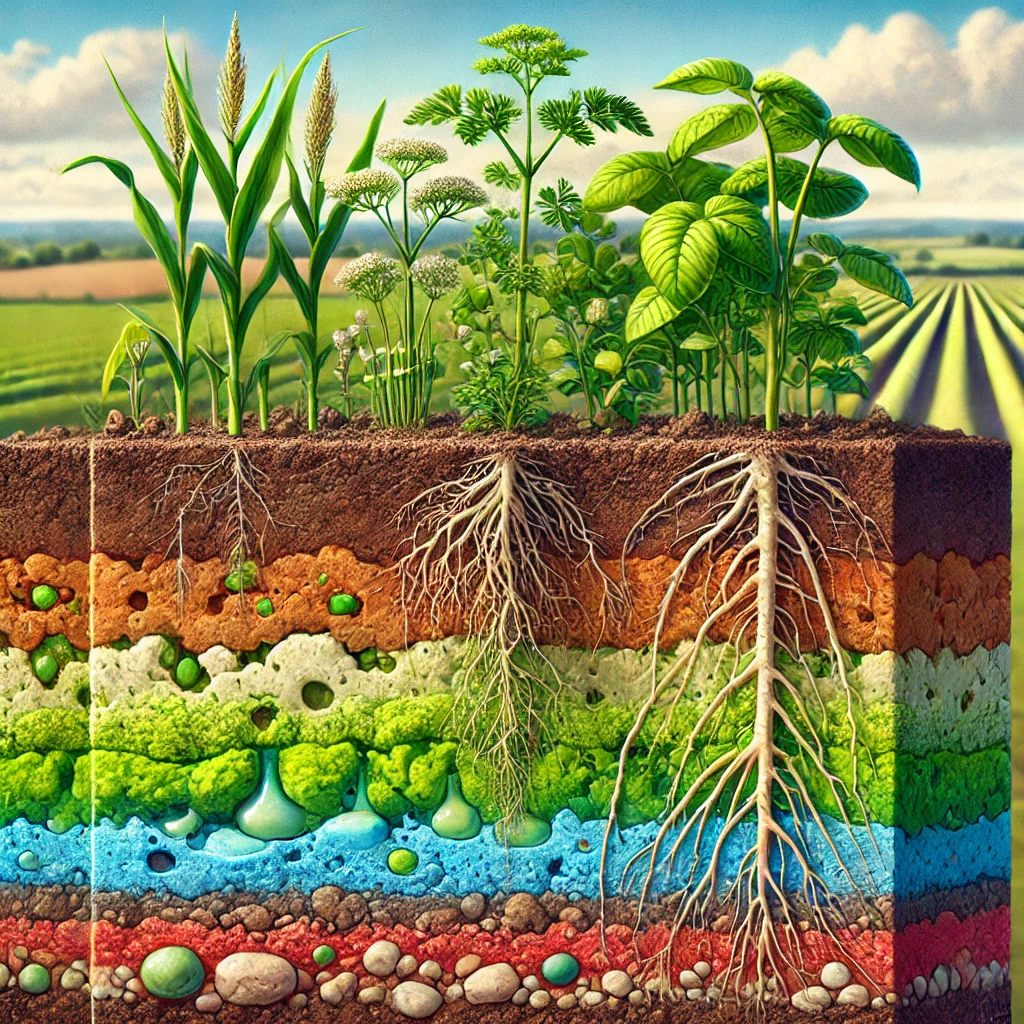
In regions with heavy rainfall, there is an increased risk of leaching, where water moves through the soil profile, carrying away essential basic cations such as calcium, magnesium, and potassium. This process leaves behind an excess of hydrogen ions, contributing to soil acidity. Over time, repeated leaching can significantly lower soil pH, creating an environment that is less conducive to plant growth. - Weathering of Parent Material:
The mineral composition of the soil's parent material plays a crucial role in determining its natural pH. Soils derived from acidic rocks like granite and sandstone contain minerals that, when weathered, release acidic compounds into the soil. This slow release of acids over time can lead to a gradual decrease in soil pH, contributing to the development of acid soils.
Biological Factors
- Decomposition of Organic Matter:
The breakdown of organic matter by soil microorganisms is a vital process for nutrient cycling and soil fertility. However, this process also releases organic acids, such as humic, fulvic, and citric acids, which can contribute to soil acidification. In soils with high organic matter content, the accumulation of these acids can lead to a significant reduction in soil pH if not counterbalanced by other soil management practices. - Plant Root Activity:
Some plant species, especially those adapted to acidic environments, excrete organic acids from their roots to aid in nutrient uptake. This process, known as root exudation, can increase the concentration of hydrogen ions in the soil, thereby lowering the soil pH in the immediate vicinity of the roots (rhizosphere). Over time, this localized acidification can affect the overall pH of the soil.
Agricultural Practices
- Fertilizer Application:
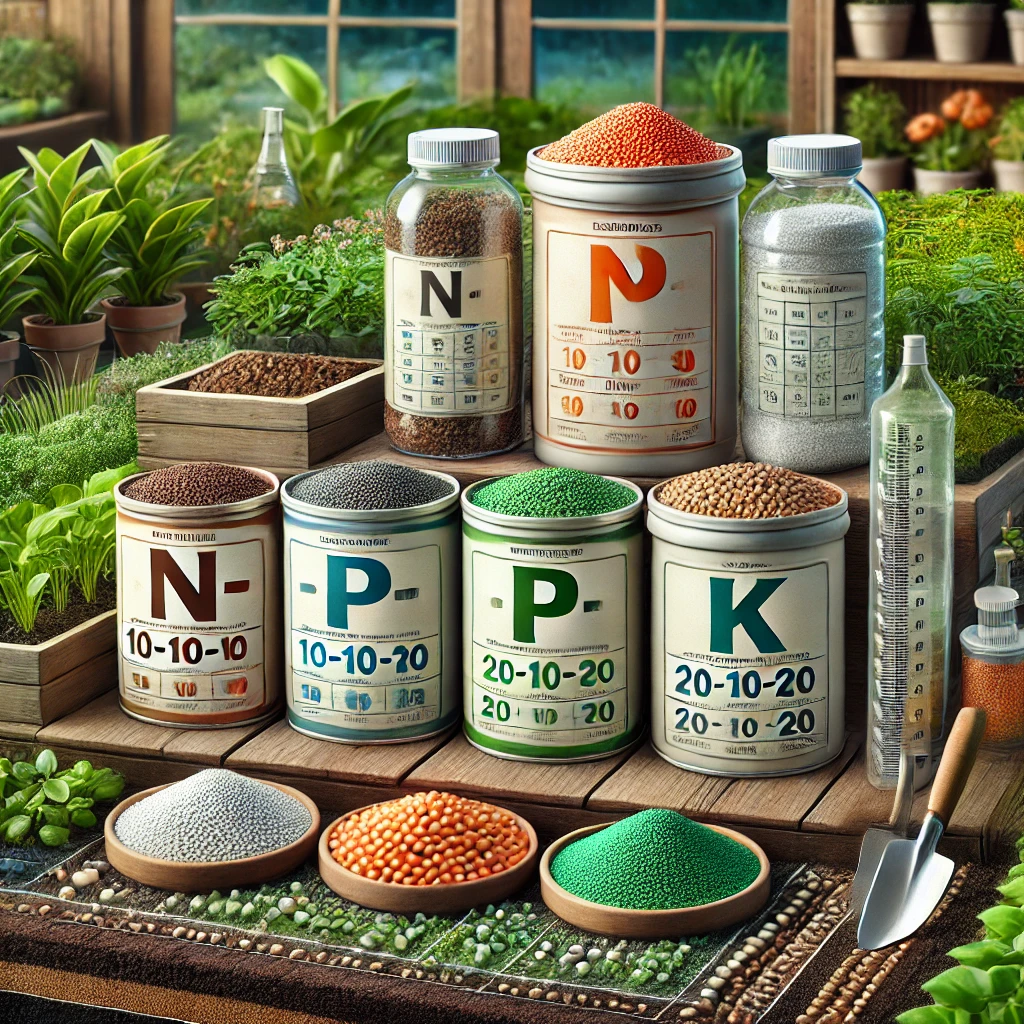
The use of ammonium-based fertilizers (e.g., ammonium sulfate, urea) is a common agricultural practice that can lead to soil acidification. During the nitrification process, soil microorganisms convert ammonium into nitrate, releasing hydrogen ions into the soil. This process increases the soil's acidity, particularly with the frequent or excessive application of these fertilizers. Furthermore, the application of sulfur-containing fertilizers can also contribute to soil acidification. - Continuous Cropping:
Intensive cropping without adequate soil nutrient replenishment can result in the depletion of basic cations (calcium, magnesium, and potassium) from the soil. As crops absorb these nutrients, they are removed from the soil system. If these nutrients are not replaced through fertilization or soil amendments, the soil becomes increasingly acidic over time. This effect is particularly pronounced in monoculture systems where the same crop is grown repeatedly without rotation or fallowing. - Irrigation with Acidic Water:
In some agricultural regions, irrigation water may have a naturally low pH or contain dissolved acids, such as carbonic or sulfuric acids. The use of such water for irrigation can contribute to the acidification of the soil over time, especially if the water is applied regularly or in large quantities.
Effects of Acid Soil on Plant Growth
Acid soils can have a profound impact on plant growth, often resulting in reduced crop yields and compromised plant health. One of the primary challenges associated with acid soils is the reduced availability of essential nutrients such as phosphorus, calcium, and magnesium. In acidic conditions, these nutrients can become less soluble and, therefore, less accessible to plants. Additionally, acid soils can increase the solubility of toxic elements like aluminum and manganese, which can harm plant roots and inhibit nutrient uptake. The altered soil chemistry can also affect soil microbial communities, reducing the activity of beneficial microbes involved in nutrient cycling and organic matter decomposition. This section explores the specific ways in which acid soils can limit plant growth, focusing on nutrient deficiencies, toxicity issues, and changes in soil microbial activity.
Nutrient Deficiency
- Reduced Availability of Essential Nutrients:
Acidic conditions affect the chemical forms of various nutrients, rendering them less available to plants. For example, phosphorus becomes fixed in forms that are insoluble and inaccessible to plants, leading to phosphorus deficiency. Similarly, calcium and magnesium, crucial for plant development, become scarce in acid soils. This deficiency can manifest as poor root development, chlorosis, and stunted growth, significantly impacting crop yields. - Disruption of Nutrient Uptake:
Acidic soils can alter the soil's cation exchange capacity (CEC), a property that influences the soil's ability to retain and supply essential nutrients. In low pH environments, the soil's CEC is reduced, leading to decreased retention of essential cations such as potassium, calcium, and magnesium. This disruption in nutrient balance can result in poor plant health and reduced resistance to environmental stressors.
Toxicity
- Aluminum Toxicity:
One of the most significant issues in acid soils is the increased solubility of aluminum, particularly at pH levels below 5.5. High concentrations of soluble aluminum can be toxic to plants, as aluminum ions interfere with root cell division and elongation. This interference results in a reduced root system, limiting the plant's ability to absorb water and nutrients. Aluminum toxicity symptoms include root stunting, leaf chlorosis, and overall poor plant growth. - Manganese Toxicity:
While manganese is an essential micronutrient for plants, excessive levels in acidic soils can lead to toxicity. Manganese toxicity can cause a range of symptoms, including chlorosis, necrosis, and dark spots on leaves. These symptoms can significantly reduce photosynthetic efficiency and, consequently, crop productivity.
Soil Microbial Activity
- Altered Soil Microbial Communities:
Soil acidity can affect the composition and activity of soil microbial populations. Beneficial microbes, such as nitrogen-fixing bacteria and mycorrhizal fungi, may be less active or replaced by acid-tolerant species that are less beneficial to plants. This shift can impair processes like nitrogen fixation, organic matter decomposition, and phosphorus solubilization, further exacerbating nutrient deficiencies in acid soils. - Reduced Organic Matter Decomposition:
Acidic conditions can slow down the decomposition of organic matter, leading to a buildup of undecomposed material in the soil. This accumulation can affect soil structure, aeration, and water infiltration, creating an environment that is less favorable for plant growth.
Soil pH and Its Measurement
Soil pH is a crucial parameter that reflects the acidity or alkalinity of the soil, influencing various chemical, physical, and biological processes within the soil ecosystem. It is determined by the concentration of hydrogen ions (H+) in the soil solution, with a lower pH indicating higher acidity. Soil pH can significantly affect nutrient availability, microbial activity, and soil structure, making its measurement an essential practice in soil management. Understanding the soil's pH is critical for diagnosing soil-related problems and for determining the appropriate amendments needed to optimize soil conditions for crop growth. This section provides an overview of the methods used to measure soil pH, emphasizing the importance of accurate and regular pH testing in effective soil management.
Methods of Soil pH Measurement
- Soil pH Meters:
Soil pH meters are electronic devices equipped with a glass electrode probe that measures the hydrogen ion concentration in the soil solution. These meters provide quick and precise pH readings, making them a popular choice for both field and laboratory use. To measure soil pH using a pH meter, a soil sample is mixed with distilled water or a pH buffer solution, and the electrode is inserted into the mixture to obtain a pH reading. Regular calibration of the pH meter is necessary to ensure accurate measurements. - pH Test Kits:
pH test kits are a more affordable and portable option for measuring soil pH. These kits typically include a chemical solution or pH indicator strips that change color based on the soil's pH level. To use a test kit, a soil sample is mixed with the provided solution, and the resulting color change is compared to a color chart to estimate the soil pH. While less precise than pH meters, pH test kits are useful for quick on-site assessments, providing a general indication of soil acidity or alkalinity. - Laboratory Analysis:
For the most accurate and comprehensive assessment of soil pH, soil samples can be sent to professional soil testing laboratories. Laboratory analysis involves mixing the soil sample with a specific ratio of water or a neutral salt solution (e.g., 0.01 M calcium chloride) to measure the soil's active pH. Additionally, laboratories can determine the buffer pH, which provides insight into the soil's buffering capacity or resistance to pH change. This information is essential for determining the appropriate liming rates for soil pH adjustment.
Management of Acid Soils
Managing acid soils effectively is crucial for enhancing soil fertility, improving crop yields, and promoting sustainable agricultural practices. The primary goal of managing acid soils is to raise the soil pH to an optimal range that supports nutrient availability and minimizes the risk of toxicity. This can be achieved through various soil amendment practices, including liming, the use of organic matter, and proper fertilization. In addition to pH adjustment, selecting acid-tolerant crops and implementing soil conservation practices can help mitigate the adverse effects of soil acidity. This section outlines the key strategies for managing acid soils, providing detailed guidance on liming, crop selection, organic amendments, and fertilization practices.
Liming
- Application of Lime:
Liming is the most widely used and effective method for neutralizing soil acidity. It involves the application of materials containing calcium or magnesium carbonate, such as ground limestone (calcitic lime) or dolomitic lime. The lime reacts with the hydrogen ions in the soil, raising the pH and reducing acidity. The appropriate liming rate depends on factors such as the soil's current pH, buffer capacity, texture, and organic matter content. It is recommended to apply lime based on soil test results to avoid over-liming, which can lead to excessively high pH levels. - Types of Liming Materials:
Various liming materials are available, each with different properties and effectiveness.- Calcium Carbonate (Limestone):
This is the most commonly used liming material, effective in raising soil pH and supplying calcium to the soil. - Dolomitic Lime:
Contains both calcium carbonate and magnesium carbonate, making it suitable for soils that are deficient in both calcium and magnesium. - Quicklime and Hydrated Lime:
These are faster-acting forms of lime that contain calcium oxide or calcium hydroxide. While effective, they require careful handling due to their caustic nature and higher reactivity.
- Calcium Carbonate (Limestone):
- Timing and Application Methods:
To maximize the effectiveness of lime, it should be applied well before planting, preferably during the primary tillage operation. Incorporating lime into the soil through tillage ensures uniform distribution and better reaction with the soil. Regular soil testing is essential to monitor pH changes and determine the need for reapplication.
Use of Acid-Tolerant Crops
- Crop Selection:
In situations where liming is not feasible or where soil acidity persists despite management efforts, selecting acid-tolerant crops can help maintain agricultural productivity. Acid-tolerant crops are capable of growing and yielding well in acidic conditions, making them suitable for cultivation in acid soils.- Cereal Crops:
Oats, rye, and triticale are more tolerant of acidic soils compared to other cereals like wheat and corn. These crops can be grown in soils with pH as low as 4.5, providing a viable option for farmers dealing with high soil acidity. - Legumes:
Certain legume species, such as lupins and serradella, can thrive in moderately acidic soils. These legumes can fix atmospheric nitrogen, enriching the soil with organic matter and nutrients, which can help improve soil conditions over time.
- Cereal Crops:
- Crop Rotation:
Implementing crop rotations that include acid-tolerant species can help manage soil acidity and reduce the impact of acid soil on crop yields. Rotating acid-tolerant crops with less tolerant crops can also help prevent the buildup of soil-borne pathogens and improve soil structure.
Organic Amendments
- Addition of Organic Matter:
Organic amendments such as compost, manure, and crop residues can improve soil structure, enhance microbial activity, and buffer soil pH. Organic matter has a high cation exchange capacity (CEC), which can help moderate pH fluctuations by binding to hydrogen and aluminum ions in the soil.- Compost:
Applying compost to acid soils can enhance soil fertility by adding organic matter and nutrients. Compost can also improve soil structure, water-holding capacity, and aeration, creating a more favorable environment for plant growth. - Manure:
Animal manure is a rich source of organic matter and nutrients, including calcium and magnesium, which can help counteract soil acidity. Properly composted manure should be used to avoid introducing weed seeds and pathogens into the soil.
- Compost:
- Biochar Application:
Biochar is a carbon-rich material produced through the pyrolysis of organic matter, such as crop residues or wood chips. When added to acid soils, biochar can increase soil pH, enhance nutrient retention, and improve soil structure. Its porous structure provides a habitat for beneficial microbes and helps retain nutrients and moisture, promoting plant growth and soil health.
Proper Fertilization
- Balanced Fertilizer Use:
Overuse of acidifying fertilizers, such as ammonium sulfate or urea, can exacerbate soil acidity. To manage acid soils, it is important to use balanced fertilization practices that avoid further acidification. This may include the use of nitrate-based fertilizers, which have a less acidifying effect on the soil.- Nitrate-Based Fertilizers:
Fertilizers such as calcium nitrate and potassium nitrate can supply essential nutrients without contributing to soil acidification. These fertilizers also provide calcium and potassium, which are important for raising soil pH and improving plant health. - Organic Fertilizers:
Incorporating organic fertilizers, such as bone meal or fish emulsion, can help maintain soil pH and provide a steady supply of nutrients to plants. Organic fertilizers release nutrients slowly, reducing the risk of nutrient leaching and soil acidification.
- Nitrate-Based Fertilizers:
- pH-Adjusting Fertilizers:
In some cases, applying fertilizers with liming properties, such as gypsum (calcium sulfate) or lime-containing fertilizers, can help manage soil pH while providing essential nutrients. These fertilizers can supply calcium to the soil, reducing the availability of toxic aluminum and promoting root growth.
Crop Rotation and Cover Cropping
- Diverse Crop Rotations:
Implementing diverse crop rotations that include a mix of deep-rooted plants, legumes, and acid-tolerant crops can help manage soil acidity. Deep-rooted plants can access nutrients from deeper soil layers, while legumes can fix atmospheric nitrogen, enriching the soil with organic matter and nutrients. This integrated approach can reduce the need for frequent liming and improve soil structure. - Cover Cropping:
Growing cover crops such as clover, vetch, or rye during fallow periods can enhance soil organic matter, reduce erosion, and contribute to pH stabilization. Cover crops can also improve soil structure, increase water infiltration, and support beneficial soil microbial communities, creating a more resilient soil system.
Benefits of Soil pH Management
Managing soil pH is fundamental to optimizing soil fertility, crop productivity, and overall soil health. Proper pH management ensures that essential nutrients are available to plants and minimizes the risk of nutrient deficiencies and toxicities. This section explores the key benefits of managing soil pH, including enhanced nutrient availability, reduced toxicity, improved soil structure, and increased biological activity.
- Enhanced Nutrient Availability
Raising soil pH to an optimal range (typically 6.0 to 7.0 for most crops) improves the availability of essential nutrients such as phosphorus, calcium, and magnesium. In this pH range, nutrients are more soluble and accessible to plant roots, promoting healthy growth and higher yields. Proper soil pH management ensures that plants receive a balanced supply of nutrients, reducing the need for excessive fertilization and enhancing nutrient use efficiency. - Reduced Toxicity
Liming acid soils reduces the solubility of toxic elements like aluminum and manganese, protecting plant roots from damage and enhancing nutrient uptake. By neutralizing excess hydrogen ions, lime raises the soil pH, causing aluminum and manganese to precipitate into less soluble forms that are less toxic to plants. This reduction in toxicity safeguards plant health, allowing roots to develop and function effectively. - Improved Soil Structure and Biological Activity
Organic amendments and liming improve soil structure by enhancing soil aggregation, increasing water infiltration, and promoting root penetration. Healthy soil structure supports a diverse microbial ecosystem, crucial for nutrient cycling and organic matter decomposition. By creating a more favorable environment for soil microorganisms, proper soil pH management can enhance microbial activity, leading to increased soil fertility and plant growth.
Selection of Crops for Acid Soils
In areas where liming is not feasible or where soil acidity persists, selecting acid-tolerant crops can be an effective strategy to maintain agricultural productivity. Acid-tolerant crops are adapted to grow and produce in acidic conditions, making them suitable for cultivation in acid soils. This section provides an overview of crops that can thrive in acid soils, focusing on cereal crops, legumes, and forage crops.
- Cereal Crops
- Oats: Oats are relatively tolerant of acidic soils and can be grown successfully in pH ranges as low as 4.5. This makes them an ideal crop for areas with high soil acidity where other cereal crops may struggle. Oats can also be used as a cover crop to improve soil structure and reduce erosion.
- Rye: Rye is another cereal crop that thrives in acidic conditions, making it suitable for areas with low soil pH. It has a deep root system that helps improve soil structure and reduces soil erosion. Rye is often used in crop rotations to break pest and disease cycles and enhance soil fertility.
- Legumes
- Lupins: Certain lupin varieties, such as white lupin (Lupinus albus), are well-adapted to acidic soils and can fix atmospheric nitrogen, enriching the soil with organic matter and nutrients. This nitrogen-fixing ability can benefit subsequent crops by improving soil fertility and reducing the need for nitrogen fertilizers.
- Serradella: Serradella is a legume that can grow in moderately acidic soils, providing a valuable forage crop for livestock. It is known for its ability to improve soil fertility through nitrogen fixation and organic matter addition, making it a beneficial component of crop rotations in acid soils.
- Forage Crops
- Grasses:
Certain forage grasses, such as fescue, orchardgrass, and timothy, can tolerate acidic conditions and are commonly used in pastures and hayfields. These grasses can provide high-quality forage for livestock while contributing to soil stability and erosion control. - Clover Varieties:
Clovers, such as red clover and white clover, can grow in moderately acidic soils and provide high-protein forage for livestock. Clovers also fix atmospheric nitrogen, enhancing soil fertility and supporting sustainable grazing systems.
- Grasses:
Monitoring and Maintenance
Continuous monitoring of soil pH is crucial for the long-term management of acid soils. Regular soil testing helps identify changes in soil pH and guides the implementation of management practices to maintain optimal soil conditions. This section discusses the importance of soil pH monitoring and provides recommendations for maintaining soil health in acid soils.
- Determining Liming Requirements:
Soil testing provides valuable information on the current soil pH and buffer capacity, which are essential for determining the appropriate liming rates. Regular soil tests help identify the need for lime application and ensure that the soil pH is maintained within the optimal range for crop growth. - Monitoring Changes:
Tracking soil pH changes over time allows farmers and land managers to assess the effectiveness of management practices and make necessary adjustments. Regular monitoring helps identify trends in soil acidity, enabling proactive management to prevent potential soil fertility issues. - Guiding Fertilization:
Soil pH testing provides insights into nutrient availability and guides fertilization practices. By understanding the soil's pH, farmers can select the appropriate fertilizers and application rates to avoid further soil acidification and ensure balanced nutrient supply.
Practical Implications for Farmers
Farmers working with acid soils need to adopt comprehensive management strategies to ensure optimal crop production and soil health. This section provides practical recommendations for farmers to address the challenges of acid soils and maximize agricultural productivity.
- Regular Soil Testing:
Regular soil testing is essential to identify soil pH levels and determine the need for lime application. Soil tests should be conducted at least once every 2-3 years to monitor changes in soil pH and adjust management practices accordingly. - Integrated Soil Management:
Combining liming with organic amendments, proper fertilization, and crop selection can create a holistic approach to managing acid soils. Integrated soil management practices improve soil structure, enhance nutrient availability, and promote long-term soil health. - Crop Selection:
Opting for acid-tolerant crops that can thrive in specific soil conditions is crucial for maintaining productivity in acidic environments. Farmers should select crops that are well-suited to their soil's pH range and use crop rotations to enhance soil fertility and reduce pest and disease pressure.
Sustaining Soil Health and Agricultural Productivity
Understanding and managing acid soils is an ongoing challenge for many agricultural regions. However, with proper soil management practices, it is possible to optimize crop yields and maintain soil health over the long term. Effective management of acid soils offers an opportunity to enhance agricultural sustainability by improving soil fertility, reducing the need for chemical inputs, and promoting environmental stewardship.
Acid soil management is not only crucial for immediate crop productivity but also plays a vital role in sustainable agricultural practices. By implementing effective soil management strategies, farmers can contribute to sustainable land use, ensuring long-term agricultural productivity and environmental health.
Addressing the challenges posed by acid soils is fundamental to achieving sustainable agricultural practices. Through an understanding of soil pH dynamics and the implementation of effective management strategies such as liming, organic amendments, and appropriate crop selection, it is possible to enhance soil fertility and crop productivity in acidic environments. Regular monitoring and soil testing are essential to maintain soil health and ensure the effectiveness of management practices over time.
Future research and technological advancements in soil science may offer new insights and tools for more efficient acid soil management. As global agricultural demands increase, it is crucial to continue exploring innovative approaches to soil management that can support sustainable food production while minimizing environmental impact.