Share on X
The Unraveling Beauty of Art Linen in the Textile Industry
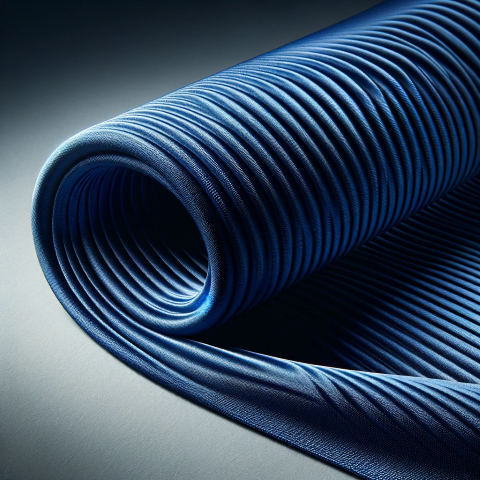
From the era of ancient civilizations to the contemporary fashion and home decor industries, linen has stood the test of time. One variant, art linen, brings together the resilience of linen and the richness of artistic expression. Art linen weaves an impressive tale of creativity, craftsmanship, and durability.
Historical Overview of Art Linen While the roots of linen production date back to ancient Egypt around 5000 BC, the birth of art linen, as it is recognized today, can be traced back to the 19th century. With the advent of the Arts and Crafts Movement, which emphasized craftsmanship and romanticized the artistic value of handmade items, artists started exploring textiles as an expressive medium. Thus, art linen, a medium that allowed artistic ingenuity to shine, was born. Embroidery, painting, and print techniques were employed to convert plain linen into works of art. There are numerous variations of art linen, each with unique visual aesthetics: To retain the aesthetic appeal and longevity of art linen, certain care measures should be taken: Art linen's versatile use is apparent in numerous sectors: Art linen, with its ability to combine durability with artistry, has carved a unique niche in the textile industry. Born out of an intersection of historical need and artistic curiosity, this fabric has evolved to become a sought-after material in fashion, home decor, and arts & crafts. Whether it's printed, embroidered, painted, or dyed, each variant of art linen brings a distinctive charm and aesthetic richness to the table. The fabric's care, though demanding careful attention, ensures its longevity and lasting beauty. The diversity of art linen applications underscores its wide acceptance and popularity, ranging from chic apparel to elegant home furnishings. The continual contribution of companies like John England Textiles, Fergusons Irish Linen, and Banana Republic, among others, enriches the landscape of art linen. By embracing this versatile material, these manufacturers and users are shaping a future where art and textiles coexist more seamlessly. As a testament to artistic expression and textile innovation, art linen continues to hold a significant place in the fabric of our lives.Varieties of Art Linen
Care Tips for Art Linen
Major Manufacturers and Users of Art Linen
Applications of Art Linen
Conclusion