
Substances that decompose readily and become absorbed by the environment. From an environmental standpoint, they should not contain inorganic salts, heavy metals, toxic chemicals and amines.
Textile
What is “Biodegradable”
Last updated 20-Jul-2024 (2 years, 2 months ago)
Share on Facebook Share on X
Share on X
Substances that decompose readily and become absorbed by the environment. From an environmental standpoint, they should not contain inorganic salts, heavy metals, toxic chemicals and amines.
Note: This content is for informational purposes only. Please read our full disclaimer for more details.
Some more terms:
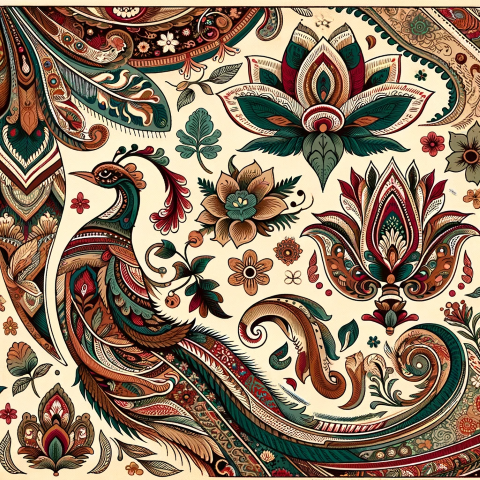
Kalamkari: Traditional Indian Artistry in Textile Printing and Dyeing
27-May-2024 • by Priya Desai
Textile
Kalamkari is a traditional textile art form that originated in India, and is known for its intricate hand-painted designs and patterns. The word "Kalamkari" is derived from the Persian words "kalam"...
Read about Kalamkari
Composite Yarn: Blending Fibers for Enhanced Strength and Performance in Textiles
08-Jun-2024 • by Radhika Shastri
Textile
Composite yarn is a type of textile yarn that is created by combining two or more different types of fibers or yarns together. This process creates a yarn that has unique properties that cannot be...
Read about Composite Yarn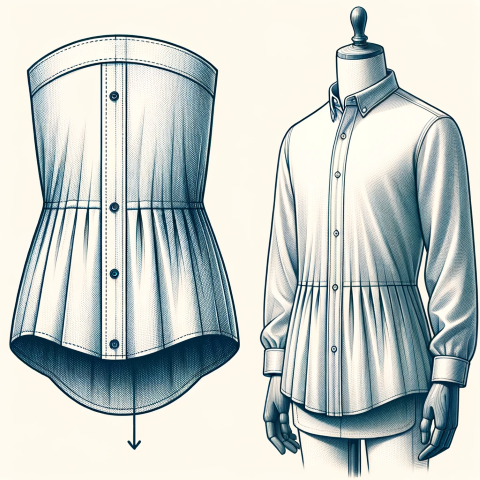
Shirttail Hem: Blurring the Line Between Formal and Casual
26-Apr-2024 • by Vikram Singh
Textile
Shirttail hem is a type of hemline used in the construction of shirts and blouses, where the front and back hemlines are curved, resembling the shape of a shirttail. The shirttail hem is named so...
Read about Shirttail Hem
Stretch in Weft Yarns: Enhancing Comfort and Flexibility in Woven Fabrics
12-Sep-2024 • by Pooja Jain
Textile
In textile manufacturing, "stretch in weft" refers to the ability of a fabric to stretch horizontally across the width of the fabric. It is also known as "crosswise stretch" or "widthwise stretch."...
Read about Stretch in weft