Share on X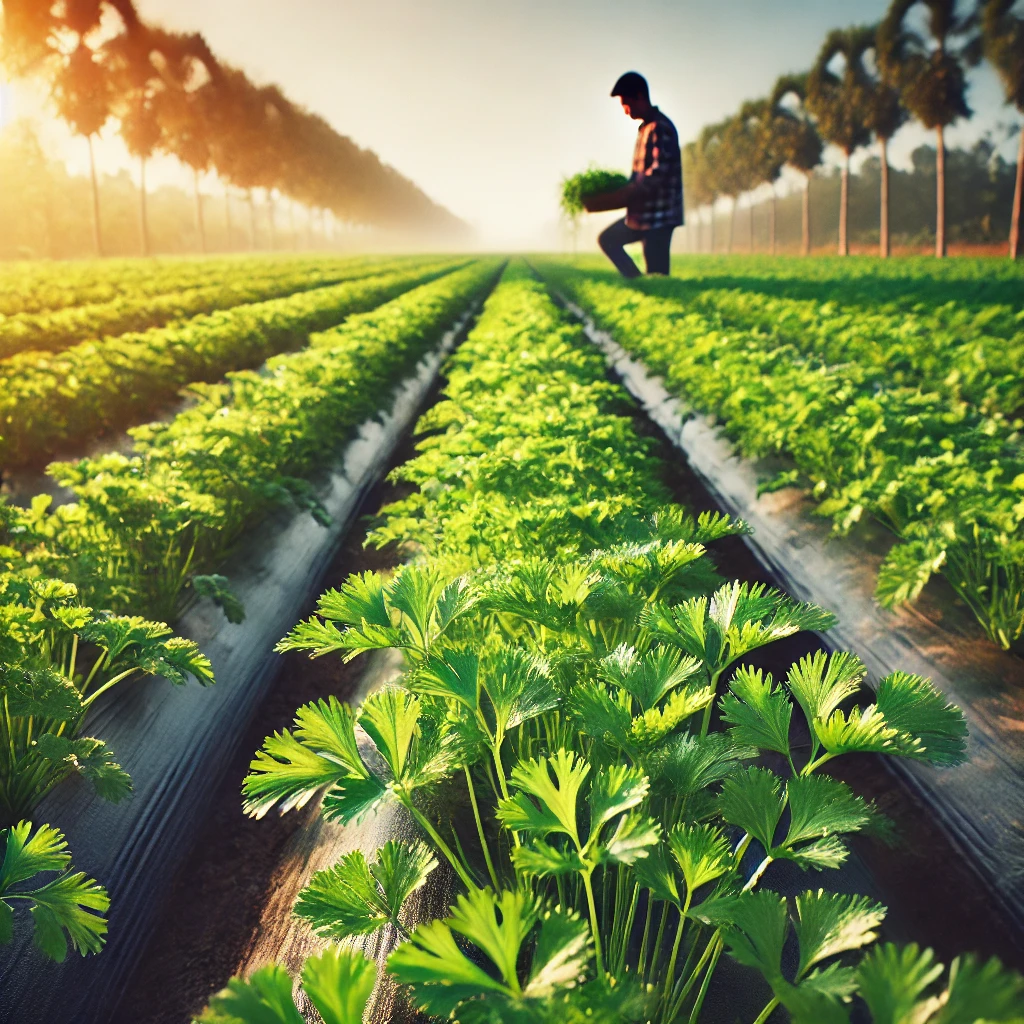
The Comprehensive Guide to Coriander: Cultivation, Harvesting, and Benefits of Coriandrum Sativum
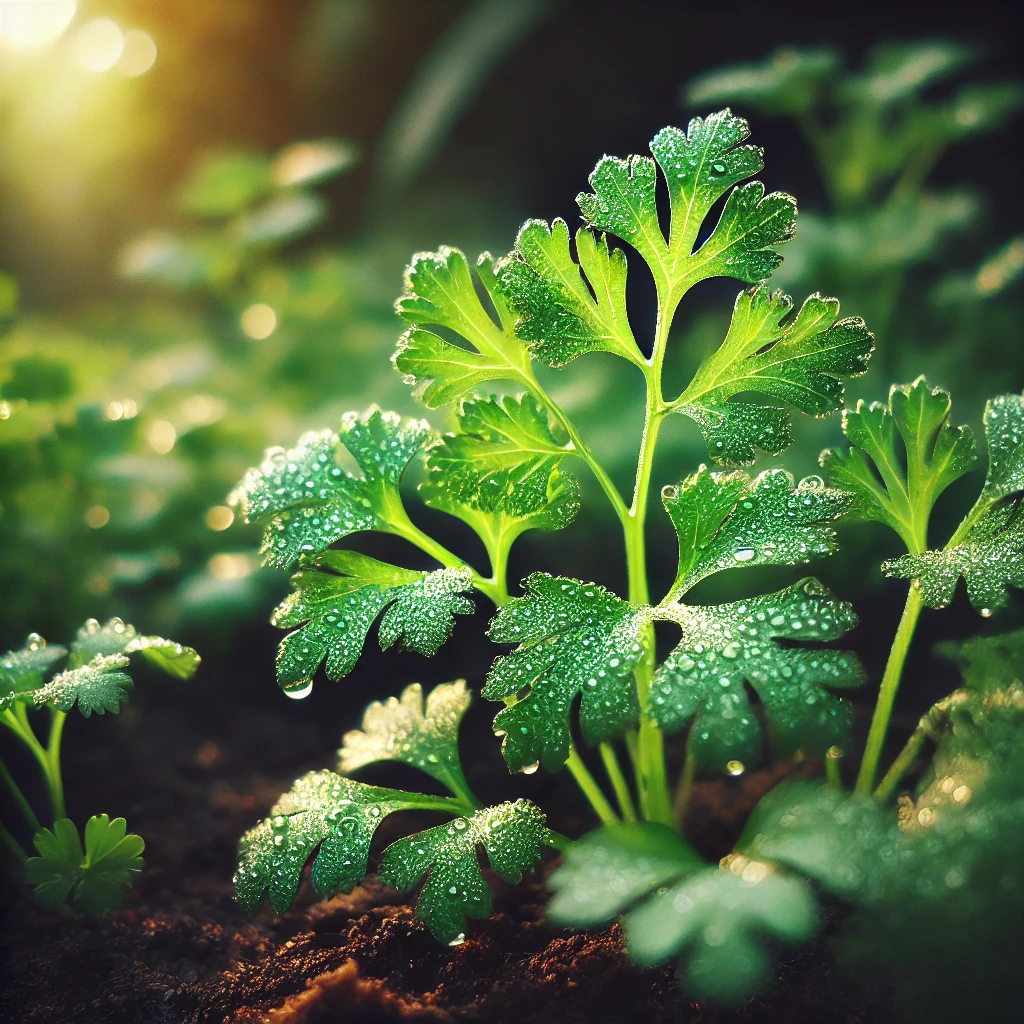
Coriander (Coriandrum sativum), also known as cilantro when referring to its fresh leaves, is one of the most versatile and widely used herbs in global cuisine. Both its fresh leaves and dried seeds are cherished for their unique flavors, with the leaves offering a fresh, citrusy taste and the seeds a warm, spicy, and slightly citrusy aroma. In addition to its culinary uses, coriander has been used for centuries for its medicinal properties, particularly for digestion and inflammation.
This comprehensive guide covers everything you need to know about coriander—from its cultivation and pest management to its culinary uses and market potential.
Overview of Coriander
Coriander is a fast-growing annual herb that belongs to the Apiaceae family, which also includes plants like parsley, carrots, and fennel. The plant’s leaves, known as cilantro, and its seeds, simply referred to as coriander seeds, are both commonly used in cooking and herbal remedies.
- Culinary Uses: The fresh leaves are used in salads, sauces, and salsas, while the seeds are a staple in spice blends such as curry powders, garam masala, and pickling spices.
- Medicinal Uses: Coriander is known for its digestive benefits, helping to relieve indigestion and bloating, and has anti-inflammatory properties.
- Market Value: Due to its versatility, coriander is highly valued in global markets, with increasing demand for both fresh and dried products.
Ideal Growing Conditions for Coriander
Coriander is relatively easy to grow but thrives best in specific conditions. Understanding these conditions can significantly improve your yield, whether you are growing the herb for personal use or for commercial farming.
- Soil
Coriander prefers well-drained, fertile soils that are rich in organic matter. Sandy loam and loamy soils with good drainage and aeration are ideal. Coriander is highly sensitive to waterlogging, which can lead to root rot and other diseases.- Soil pH: Coriander grows best in soil with a pH range of 6.2 to 6.8. Alkaline or overly acidic soils can affect the plant’s growth and flavor.
- Soil Preparation: Before planting, prepare the soil by loosening it to a depth of at least 12 inches and mixing in compost or well-rotted manure to boost fertility. Ensure the soil is free of weeds, as coriander is sensitive to competition during its early growth stages.
- Climate
Coriander is a cool-season herb, thriving in temperate climates. It prefers temperatures between 50°F and 85°F (10°C to 29°C), although it can tolerate warmer conditions in partial shade.- Ideal Growing Season: The plant grows best in spring and fall. In warmer climates, coriander is often grown during cooler months to prevent bolting (premature flowering).
- Light Requirements: Coriander requires full sun to partial shade, depending on the climate. In hotter regions, partial shade can prevent the plant from wilting or bolting early.
- Watering Needs: Coriander requires consistent moisture, especially during germination and early growth stages. Irrigate regularly to keep the soil evenly moist but not waterlogged. Overwatering can lead to fungal diseases.
How to Grow Coriander
Coriander is typically grown from seeds, which are planted directly in the soil. It is a fast-growing herb with a relatively short life cycle, making it an ideal choice for gardeners and commercial farmers alike. - Sowing Coriander Seeds: Coriander seeds should be sown directly into the ground as they do not transplant well. The seeds are usually sown in early spring when the risk of frost has passed, or in cooler climates, they can be planted in late summer or early fall.
- Seed Preparation: Coriander seeds are actually small fruits containing two seeds. Lightly crush the seeds to split them for better germination. Soaking the seeds in water for 24 hours before planting can also improve germination rates.
- Sowing Depth: Plant the seeds about 0.5 inches (1.25 cm) deep, spaced 6 inches (15 cm) apart. For optimal growth, rows should be spaced at least 12 inches (30 cm) apart.
- Thinning: Once the seedlings are 2-3 inches tall, thin them out to allow enough space for each plant to develop properly. The ideal spacing between plants is 8-10 inches (20-25 cm).
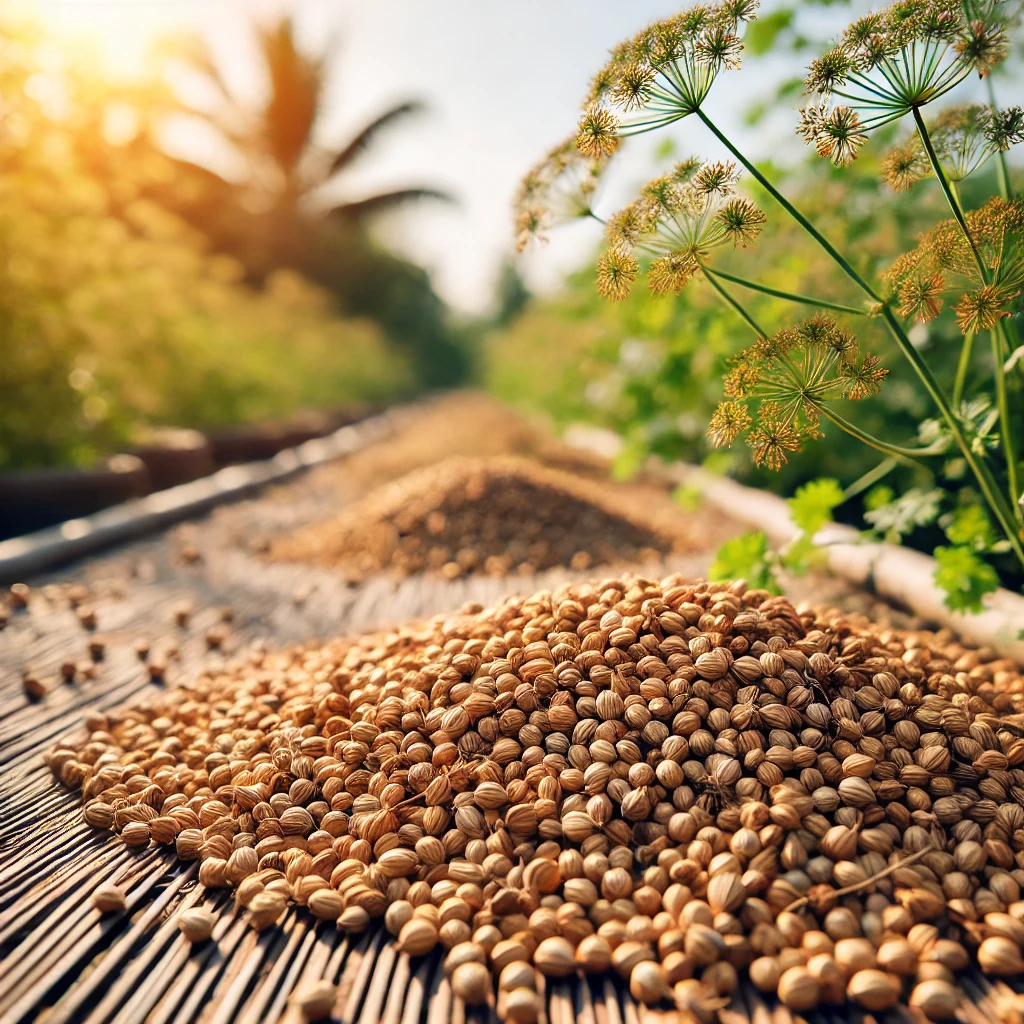
Growing for Leaves vs. Seeds Coriander can be grown for either its fresh leaves or seeds, but the cultivation practices differ depending on your intended use. While coriander is generally a hardy plant, it is still susceptible to pests and diseases that can impact yield and quality. Here are some common threats and how to manage them: The harvesting process for coriander depends on whether you are growing it for leaves or seeds. To harvest seeds, wait until the plants flower and the seed pods turn brown and dry on the plant. This usually takes 90 to 120 days from planting. Cut the seed heads and place them in a paper bag to finish drying. Once fully dried, thresh the seeds to separate them from the stems. Coriander’s versatility makes it a staple in kitchens and natural remedies around the world. The increasing global demand for fresh herbs and natural spices has boosted the popularity of coriander farming. As more consumers turn to organic and natural ingredients, coriander remains a high-value crop in international markets. Major exporters of coriander include India, Morocco, and Mexico, which supply both fresh leaves and seeds to global markets. Coriander is a versatile, resilient, and valuable crop that is used both as an herb and a spice. Whether you are cultivating coriander for its fresh cilantro leaves or its warm, nutty seeds, understanding the ideal growing conditions, pest management strategies, and harvesting techniques is key to success. With its rising demand in culinary, medicinal, and natural product markets, coriander presents an excellent opportunity for farmers and gardeners alike. Whether you are growing it for local markets or international exports, coriander offers both profitability and sustainability in agriculture.
Pests and Diseases in Coriander Cultivation
Adopting integrated pest management (IPM) practices can help control pests and diseases in coriander crops. This approach combines biological, cultural, and mechanical methods to minimize the need for chemical pesticides, preserving the health of the plants and the surrounding ecosystem.Harvesting Coriander
Cilantro leaves should be harvested when they are tender and fragrant. Cut the leaves near the base of the plant, typically around 30 to 40 days after planting, before the plant begins to flower. To extend the harvesting period, you can sow coriander seeds in succession every two to three weeks.Harvesting Coriander Seeds
Uses of Coriander: Culinary and Medicinal
Global Demand and Market Potential
Market Value:
The Versatility and Value of Coriander