Share on X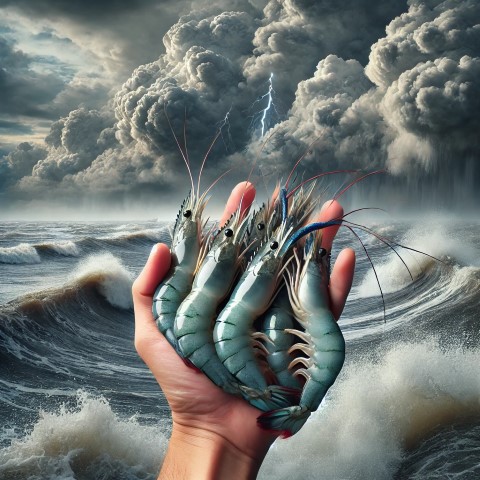
The Impact of Climate Change on Vannamei Shrimp Farming
Introduction
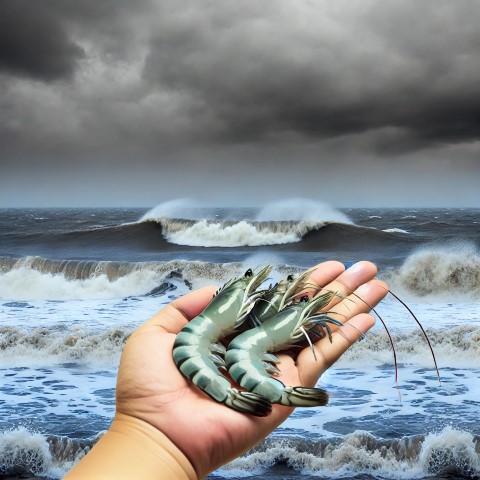
Climate change is a pressing global issue with far-reaching consequences for various industries, including aquaculture. The shrimp farming industry, particularly Vannamei shrimp, is particularly vulnerable to the impacts of climate change. Rising sea levels, temperature changes, extreme weather events, and ocean acidification pose significant challenges to shrimp farmers.
Rising Sea Levels
Rising sea levels can have a devastating impact on coastal aquaculture facilities. As sea levels rise, coastal erosion and saltwater intrusion can occur, leading to the loss of valuable farmland and contamination of freshwater sources. This can disrupt the operations of shrimp farms, particularly those located in low-lying areas near the coast.
To mitigate the impacts of rising sea levels, shrimp farmers can consider several strategies:
- Relocation: Relocating farms to higher elevations can help to reduce the risk of flooding and saltwater intrusion.
- Seawalls and dikes: Constructing seawalls and dikes can provide protection against rising sea levels and storm surges.
- Sustainable aquaculture practices: Adopting sustainable practices, such as reducing nutrient runoff and minimizing environmental impacts, can help to improve the resilience of shrimp farms to climate change.
Temperature Changes
Changes in temperature can have significant impacts on shrimp growth, survival, and disease susceptibility. Increased temperatures can lead to heat stress, reduced growth rates, and higher mortality rates. Additionally, warmer temperatures can create favorable conditions for the proliferation of diseases and pathogens.
To adapt to temperature changes, shrimp farmers can implement several strategies:
- Shade structures: Providing shade structures can help to reduce the impact of high temperatures on shrimp ponds.
- Cooling systems: Installing cooling systems can help to maintain optimal water temperatures during hot periods.
- Disease prevention: Implementing effective disease prevention measures, such as vaccination and biosecurity protocols, can help to mitigate the risks associated with warmer temperatures.
Extreme Weather Events
Extreme weather events, such as hurricanes, typhoons, and heavy rainfall, can pose significant risks to shrimp farming operations. These events can cause damage to infrastructure, disrupt production, and lead to losses.
To prepare for and mitigate the impacts of extreme weather events, shrimp farmers can:
- Emergency preparedness plans: Develop emergency plans to respond to natural disasters and minimize losses.
- Disaster-resistant infrastructure: Invest in infrastructure that is resistant to extreme weather events, such as storm-resistant buildings and flood-proof ponds.
- Insurance: Obtain insurance coverage to protect against losses caused by natural disasters.
Ocean Acidification
Ocean acidification, caused by the absorption of carbon dioxide from the atmosphere, can have negative impacts on marine ecosystems. This can affect the survival and growth of shrimp larvae and juveniles, as well as their ability to form their exoskeletons.
To address the challenges of ocean acidification, shrimp farmers can:
- Habitat restoration: Restore and protect seagrass beds and mangrove forests, which can help to buffer the effects of ocean acidification.
- Genetic selection: Develop strains of shrimp that are more resistant to ocean acidification.
- Innovative farming practices: Explore innovative farming practices that can help to mitigate the impacts of ocean acidification, such as using alkalinity-enhancing additives or modifying feeding strategies.
Additional Considerations
- Climate Modeling: Utilize climate modeling tools to predict future climate scenarios and assess the potential impacts on shrimp farming.
- Collaboration: Collaborate with researchers, government agencies, and other stakeholders to develop adaptation strategies and share knowledge.
- Policy Support: Advocate for government policies that support climate adaptation in aquaculture, such as funding research, providing financial incentives, and developing regulations.
Conclusion
Climate change poses significant challenges to Vannamei shrimp farming, but by understanding the potential impacts and implementing appropriate adaptation strategies, shrimp farmers can improve the resilience of their operations and ensure long-term sustainability. It is essential for the industry to collaborate with researchers, government agencies, and other stakeholders to develop innovative solutions and address the challenges posed by climate change.
Further Exploration
- Climate Change Impacts on Aquaculture: Explore additional research and studies on the impacts of climate change on aquaculture, including other species and regions.
- Adaptation Strategies: Investigate other potential adaptation strategies for shrimp farming, such as using climate-resistant shrimp varieties or developing alternative farming systems.
- Policy Implications: Analyze the implications of climate change for aquaculture policies and regulations, and advocate for policies that support adaptation and sustainability.
- International Cooperation: Explore opportunities for international cooperation and knowledge sharing on climate change adaptation in aquaculture.
- Vannamei Shrimp Farming Boosts Economic Growth in Developing Countries Today
- Vannamei Shrimp Market Shifts: Unlock Emerging Opportunities and Challenges
- Discover Game-Changing Vannamei Shrimp Farming Innovations for Higher Yields
- Vannamei Shrimp Farming’s Bright Future: Embrace Tech and Sustainability Today
- Vannamei Shrimp Farming Faces Climate Change Threats: Here's How to Adapt