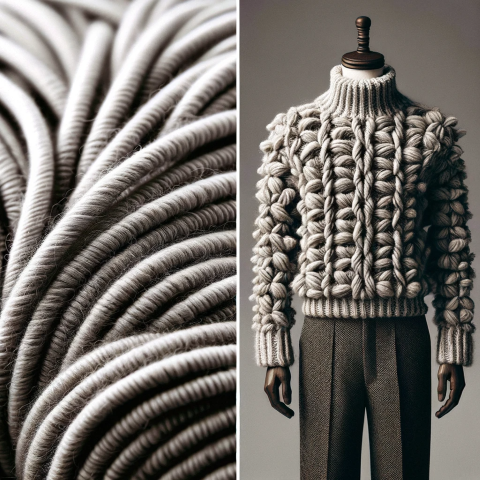
Doubleknit is a type of knitted fabric that is created by interlocking two layers of knit fabric during the knitting process. This interlocking creates a thicker, more stable fabric with a smooth, uniform appearance on both sides.
Doubleknit fabric is known for its stretch and resiliency, making it ideal for use in garments that require both comfort and durability, such as athletic wear, outerwear, and activewear. The fabric also has excellent shape retention, meaning it maintains its original shape and appearance even after repeated wear and washing.
The doubleknit construction of the fabric allows for a range of design possibilities. It can be made in a variety of weights and textures, from fine, lightweight fabrics suitable for layering to heavier, denser fabrics suitable for use in jackets or coats. The fabric can also be dyed in a variety of colors and patterns, allowing for a range of design options.
One of the key benefits of doubleknit fabric is its versatility. It can be used for a wide range of garments, from casual wear to formal wear. Its stretch and resiliency make it comfortable for everyday wear, while its smooth, uniform appearance makes it suitable for more formal occasions.
Doubleknit fabric is also easy to care for. It is machine washable and can be tumble dried, making it a low-maintenance choice for busy individuals or families. It also resists wrinkling and shrinking, ensuring that it maintains its shape and appearance over time.
In addition to its use in garments, doubleknit fabric can also be used for a variety of other textile applications, such as upholstery, curtains, and bedding. Its durability and versatility make it a popular choice for a range of household textiles, as well as for use in commercial settings such as hotels and restaurants.
In recent years, advancements in textile technology have led to the development of new types of doubleknit fabrics, such as performance doubleknits and eco-friendly doubleknits. These fabrics offer additional benefits, such as moisture-wicking properties or sustainable production methods, and are gaining popularity in the fashion and textile industries.
In summary, doubleknit is a type of knitted fabric that is created by interlocking two layers of knit fabric during the knitting process. It is known for its stretch, resiliency, and excellent shape retention, making it ideal for use in a range of garments and textile applications. Doubleknit fabric is versatile, easy to care for, and can be made in a variety of weights, textures, and colors. Advancements in textile technology have led to the development of new types of doubleknits, expanding the range of possibilities for designers and manufacturers.
Additional definition by Aisha Bhatia
Doubleknit
A woven fabric construction made by interlacing two or more sets of warp yarns with two or more sets of filling yarns. A weft knit fabric in which two layers of loops are formed that cannot be separated. Made from cotton, wool, worsted, silk, rayon, and synthetics with a circular or flat-needle bar type. A two faced cloth, either face may be utilized as the right side. The fabric originated in Milan and Florence. Can be stabilized for shrinkage control and dry cleans satisfactorily. A double knit machine, which has two complete sets of needles, is required for this construction.
— Aisha BhatiaAisha Bhatia is a seasoned textile professional with over 10 years of experience in fabric sourcing and quality control. She has worked with some of the leading textile mills in India and has a deep understanding of both traditional and modern weaving techniques. Aisha’s keen eye for detail and her passion for sustainable practices have led her to spearhead several eco-friendly initiatives within her organization. Her work has been recognized in several industry journals, and she is a regular speaker at textile innovation conferences.
Note: This content is for informational purposes only. Please read our full disclaimer for more details.
Textured Yarn Benefits: Improve Fabric Performance and Visual Appeal Textured yarn is a type of yarn that is created by modifying the surface of the yarn in some way, which gives it a distinctive...
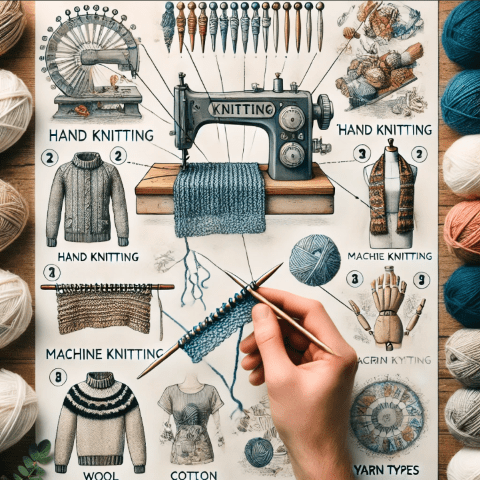
Knitting is a process in which yarn or thread is looped together to create a fabric. It involves interlocking a series of loops through the use of knitting needles or machines to create a piece of...
Honeycomb Textile Magic: The Perfect Blend of Warmth and Style Honeycomb is a unique texture in textiles that mimics the hexagonal structure of a beehive. It is created by weaving a fabric in a way...
In the realm of textiles, a yoke refers to a specific garment construction technique that is commonly used in various types of apparel, including shirts, dresses, and skirts. The yoke is a separate...

 Share on X