Share on X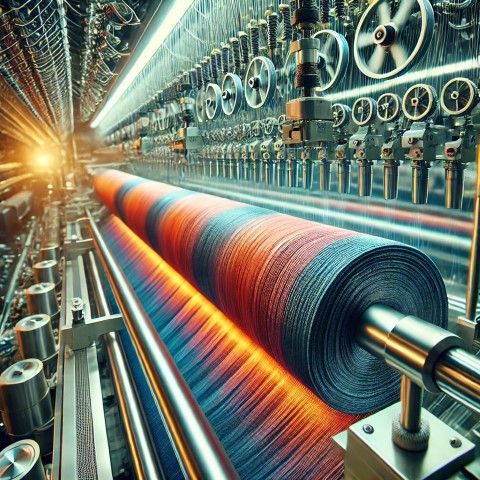
Tension in the Textile Industry: A Comprehensive Guide
Tension, defined as the force applied in a pulling direction, plays an essential role in textile production. It affects various processes, from spinning and weaving to knitting and finishing, ensuring fabrics meet industry standards for quality, durability, and functionality. Proper tension management is critical for preventing defects and improving product performance. This article provides an in-depth exploration of how tension influences each stage of textile production, its effects on fabric characteristics, and modern advancements in tension control technologies. A well-calibrated approach to tension not only enhances operational efficiency but also aligns with sustainability goals by minimizing waste and defects.
Introduction to Tension in the Textile Industry
Tension is a mechanical force that plays a critical role in the stability, durability, and quality of textile products. It ensures that fibers, yarns, and fabrics retain their structure during production, preventing defects like puckering, uneven stitching, or broken fibers. The use of tension is essential across the textile value chain—from spinning yarn to weaving, knitting, and applying finishing treatments. However, improperly managed tension can cause issues such as thread breakage, fabric skewing, or loss of elasticity.
Managing tension is especially important as textiles become more diverse in terms of materials and applications. With advances in synthetic fibers, performance fabrics, and smart textiles, precise tension control has become a necessity. Textile production is also increasingly data-driven, with real-time tension monitoring systems improving production consistency. Balancing tension ensures that textiles not only meet design specifications but also perform well under practical conditions, such as high-stress use in sportswear or industrial applications. With sustainability becoming a focus, proper tension management helps reduce waste by minimizing defective outputs. This article examines the role of tension in spinning, weaving, knitting, and finishing, with a focus on modern technologies that ensure efficient production.
Tension in Yarn Spinning: Enhancing Fiber Strength and Uniformity
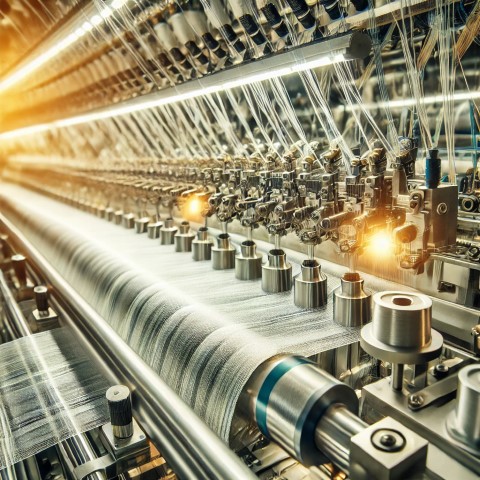
In the intricate process of yarn spinning, maintaining the appropriate level of tension is crucial. This tension is not just a mere mechanical requirement but a fundamental aspect that plays a vital role in ensuring that the fibers are aligned properly. Proper fiber alignment is essential for both the strength and uniformity of the yarn, qualities that are highly desirable in the textile industry.
The importance of tension lies in its ability to:
- Keep fibers taut and orderly: Ensuring that fibers remain parallel and consistent, which contributes to the overall robustness and durability of the yarn.
- Determine yarn strength: Affects the yarn's capability to withstand stresses during further processing stages and end-use applications.
Without adequate tension, several issues can arise, such as:
- Fiber misalignment: Leads to yarns that are intrinsically weaker and more susceptible to breakage.
- Manufacturing failures: Yarns may fail during processes like weaving or dyeing, where mechanical stresses are applied.
- Poor textile quality: Results in fabrics that are uneven or have undesirable texture variations.
Therefore, achieving the right balance of tension is not only a technical challenge but a necessary condition for producing high-quality yarn. Spinners must continuously monitor and adjust the tension to accommodate different types of fibers and spinning speeds, ensuring that each strand contributes optimally to the desired characteristics of the yarn.
In conclusion, the role of tension in yarn spinning is indispensable. It not only affects the immediate quality of the yarn but also its long-term performance and the quality of the final textile products. By understanding and controlling tension, spinners can enhance the strength, consistency, and overall quality of the yarn, ultimately leading to superior textile products. Yarn spinning machines use automated tension control systems to maintain consistency, ensuring that the yarn meets both technical and aesthetic requirements.
The Role of Tension in Weaving: Ensuring Fabric Structure
Tension plays a vital role in weaving by maintaining the correct alignment and interaction between warp and weft threads. Any imbalance in tension can distort the fabric structure, leading to defects that affect both appearance and durability.
-
Warp Thread Stability:
- Tension keeps warp threads taut, ensuring they maintain proper spacing throughout the weaving process.
- Loose warp threads can cause skewed patterns or puckered fabric surfaces.
-
Smooth Weft Insertion:
- Proper tension facilitates the smooth insertion of weft threads, preventing breaks or uneven distribution.
- Tension helps avoid thread snarling or tangling during high-speed weaving operations.
-
Influence on Fabric Drape:
- Higher tension creates fabrics with greater stiffness, which may be desirable for certain applications.
- Lower tension allows for more flexible fabrics, improving the drape and flow required in apparel fabrics.
Modern weaving machines employ tension sensors to adjust force levels dynamically, maintaining product quality while enhancing production efficiency.
Tension in Knitting: Balancing Flexibility and Stability
Knitting processes require precise tension control to achieve consistent stitch formation and fabric elasticity. Knitted fabrics, known for their flexibility and stretch, can suffer from defects if tension is improperly managed.
-
Stitch Size Consistency:
- Tension regulates the size of loops formed during knitting, ensuring uniform stitch patterns.
- Inconsistent tension may lead to tight or loose stitches, compromising fabric strength.
-
Elasticity and Recovery:
- Fabrics intended for activewear require carefully calibrated tension to maintain both flexibility and durability.
- Excess tension reduces stretch, while insufficient tension can lead to fabric distortion.
-
Preventing Defects:
- Balanced tension prevents common knitting issues like laddering, where fabric loops unravel.
- Automated knitting machines use sensors to adjust tension, minimizing human error.
Effective tension control ensures that knitted fabrics retain their stretch and structure, even under high-performance use.
Factors Influencing Tension in Textile Production
Several factors determine the level of tension required during textile production. These variables must be managed carefully to ensure optimal fabric quality.
-
Material Composition:
- Natural fibers like cotton require different tension settings than synthetic fibers like polyester.
- Elastic materials such as spandex demand lower tension to prevent loss of stretchability.
-
Machine Speed and Settings:
- High-speed production increases the demand for precise tension control to avoid fabric damage.
- Automated systems continuously adjust tension to match changes in machine speed.
-
Environmental Conditions:
- Humidity and temperature can affect fiber behavior, requiring adjustments in tension.
- Consistent environmental control helps maintain tension settings across different production shifts.
Manufacturers use real-time monitoring systems to adjust tension based on these factors, ensuring smooth production with minimal defects.
The Importance of Tension in Finishing and Fabric Treatments
In finishing processes, tension ensures that treatments like dyeing, printing, or coatings are applied evenly. Proper tension management prevents fabric distortion, preserving both texture and appearance.
-
Dye and Print Application:
- Tension stabilizes fabrics during dyeing and printing, ensuring uniform color distribution.
- Without proper tension, color streaks or misaligned prints may occur, reducing product quality.
-
Heat Treatments and Coatings:
- Fabrics undergoing heat-setting require controlled tension to prevent shrinkage.
- Tension ensures that coatings adhere properly, maintaining fabric softness and functionality.
Tension management in finishing enhances fabric durability and aesthetic appeal, ensuring products meet consumer expectations.
Tension Control in Modern Textile Manufacturing: Trends and Technologies
Advanced technologies have transformed tension management in textile production, enabling greater precision and consistency.
-
Automated Tension Control Systems:
- Modern systems use sensors to measure tension and adjust machine settings in real-time.
- These systems reduce downtime by quickly correcting tension imbalances.
-
Data Analytics for Tension Management:
- Real-time monitoring provides insights into tension trends, improving decision-making.
- Predictive analytics help manufacturers optimize tension settings for different fabrics.
Technological advancements allow manufacturers to enhance product quality while reducing waste, contributing to sustainable textile production.
A Key Force in Textile Production
Tension is an indispensable and crucial force that significantly influences the structure, durability, and performance of textiles. In the world of textile manufacturing, understanding and mastering tension management is essential for ensuring smooth and efficient operations across all stages of production. From the initial phase of spinning the fibers into yarns to the final processes of finishing the fabric, managing tension effectively is vital for maintaining the integrity and quality of the textiles.
In the spinning stage, precise tension control is crucial to ensure that the fibers are aligned correctly and twisted into uniform yarns. This not only affects the strength and elasticity of the yarns but also contributes to the overall quality of the finished fabric. During weaving or knitting, maintaining consistent tension helps in preventing defects such as uneven fabric density or pattern distortions, which can compromise the aesthetic and functional qualities of the textiles.
As the textile industry continues to evolve and incorporate modern technologies, such as automated machinery and digital monitoring systems, the role of tension control becomes even more pronounced. These advancements allow for greater precision and consistency in tension management, enabling manufacturers to produce textiles that meet the highest standards of efficiency and sustainability. Effective tension control not only enhances the performance and longevity of the textiles but also reduces waste and energy consumption, aligning with the industry's growing emphasis on sustainable practices.
In conclusion, tension is not just a mechanical force but a pivotal element that underpins the entire textile production process. By mastering tension management, manufacturers can ensure the creation of high-quality products that cater to the demands of modern consumers, while also contributing to a more sustainable and efficient industry.