Share on X
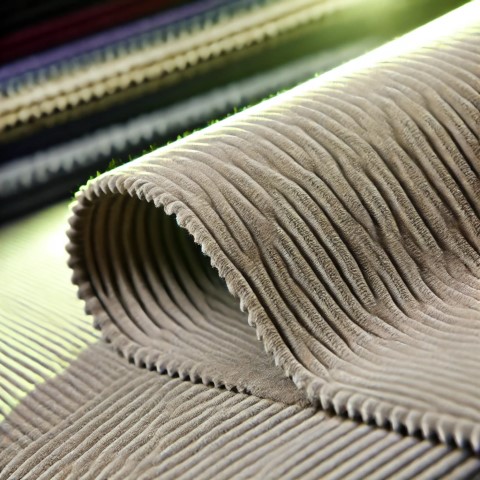
Uncut Corduroy: A Unique Fabric with Strength and Versatility
Corduroy is a staple in the textile industry, known for its soft, ribbed texture, created by cutting and brushing the pile. However, uncut corduroy stands apart by retaining the pile intact, resulting in a fabric with enhanced durability and a distinctive appearance. This article will delve into the characteristics, production methods, and applications of uncut corduroy, along with its advantages and challenges in various industries. Uncut corduroy combines the aesthetic appeal of texture with the structural integrity of a woven fabric, making it a sought-after choice for high-performance applications.
Unlike traditional corduroy, uncut corduroy features warpwise ribs that are left unshorn, giving it a tougher and more compact surface. This feature contributes to its strength, enabling its use in a range of applications that demand both aesthetics and resilience. The fabric retains its natural sheen and offers greater resistance to wear, further enhancing its practicality. In addition, uncut corduroy aligns with sustainable textile practices as it reduces the steps involved in post-processing. As consumers seek fabrics with a mix of functionality and eco-friendliness, uncut corduroy is becoming increasingly relevant in fashion, upholstery, and industrial textiles.
History and Evolution of Corduroy
Corduroy’s origins trace back to ancient Egypt, where woven pile fabrics were initially developed. The modern version emerged during the 18th century in England, where it was popular among laborers for its durability. Traditional corduroy gained widespread use due to its ribbed texture and softness, but uncut corduroy has more specialized uses due to its unprocessed pile.
By maintaining the pile uncut, this fabric offers enhanced structural integrity compared to its cut counterpart. Over time, innovations in weaving techniques have allowed textile manufacturers to create various versions of corduroy, each tailored for different applications. As industries began demanding stronger yet visually appealing materials, uncut corduroy gained traction for both decorative and functional uses. Its robustness and versatility have made it a staple in areas such as industrial textiles and luxury upholstery.
Production Process of Uncut Corduroy
The creation of uncut corduroy involves meticulous weaving and precision control to ensure the ribs remain intact.
Key Steps in the Production Process:
- Yarn Selection: Strong yarns like cotton or polyester are chosen to ensure durability. Blended yarns can also be used to achieve specific qualities such as stretch or moisture resistance.
- Weaving Method: Uncut corduroy is produced on a dobby loom or a specialized weaving machine. The pile yarns are introduced vertically (warp direction) to form ribs across the surface.
- Tension Management: Precision in loom tension is essential to maintain uniform rib height and prevent distortions.
- Finishing: Since the pile remains uncut, fewer post-weaving treatments are required, reducing production costs and environmental impact.
This process results in a firm, structured fabric that can withstand heavy use, making it a popular choice for industries requiring strong upholstery or protective wear.
Characteristics and Properties of Uncut Corduroy
Uncut corduroy distinguishes itself from other textiles due to the following attributes:
- Durability: The intact pile and densely woven ribs enhance the fabric's strength and abrasion resistance, making it long-lasting.
- Aesthetic Appeal: It offers a unique ribbed texture with a natural sheen, ideal for upholstery and decorative fabrics.
- Low Maintenance: Uncut corduroy requires minimal post-processing, aligning with eco-friendly textile practices.
- Breathability and Comfort: The fabric retains breathable qualities, making it suitable for both apparel and furnishings.
These properties ensure that uncut corduroy serves both functional and aesthetic purposes in various sectors.
Applications of Uncut Corduroy
Uncut corduroy finds applications across multiple industries due to its combination of strength and style.
- Fashion Industry:
- Outerwear and Accessories: The fabric is used for coats, jackets, and hats that require ruggedness without compromising on aesthetics.
- Workwear: The durability of uncut corduroy makes it a preferred choice for work uniforms and aprons.
- Upholstery and Home Décor:
- Furniture Upholstery: It provides a refined yet sturdy covering for sofas and chairs, ensuring long-lasting use.
- Cushions and Curtains: Its ribbed texture adds a decorative element to interior spaces, combining function with form.
- Industrial Textiles:
- Protective Fabrics:
- Uncut corduroy is used in industrial settings for protective gear and tool covers.
- Its resistance to wear ensures that it holds up under harsh conditions.
Advantages of Uncut Corduroy
- High Strength: The uncut pile enhances the overall strength, making it suitable for heavy-duty applications.
- Eco-Friendly Production: The elimination of additional cutting processes reduces water usage and energy consumption.
- Versatility: It serves both aesthetic and practical purposes across fashion, home décor, and industrial applications.
Challenges in Using Uncut Corduroy
Despite its many benefits, uncut corduroy presents certain challenges:
- Limited Availability: Due to specialized production processes, the fabric can be harder to source.
- Cost: The precision required in weaving uncut corduroy may increase production costs compared to standard corduroy.
- Maintenance: Although it is durable, uncut corduroy may require careful handling to prevent rib distortion over time.
Future Trends and Innovations
The growing demand for sustainable and multifunctional fabrics positions uncut corduroy as an important textile for future innovation. As technology advances, manufacturers are exploring ways to enhance production efficiency without compromising on quality. Blended fibers and smart textiles with uncut corduroy properties are being researched to offer moisture-wicking or temperature-regulating capabilities. These innovations will likely expand the use of uncut corduroy into new industries such as automotive interiors and technical apparel.
Uncut Corduroy—A Fusion of Strength, Style, and Sustainability
Uncut corduroy exemplifies the blend of aesthetic appeal and functional durability that modern industries seek. Its unique combination of resilience, texture, and low-maintenance production makes it a versatile choice across fashion, interior design, and industrial applications. As sustainability becomes a greater focus in the textile industry, uncut corduroy stands out for its eco-friendly production methods and reduced need for post-processing.
While challenges such as cost and availability remain, the continuous evolution of textile technologies promises new opportunities for this fabric. With innovations on the horizon, uncut corduroy is poised to become a key player in both traditional and emerging markets. Its ability to maintain form and function under demanding conditions ensures that it will continue to be a valuable resource for designers and manufacturers alike.