Share on X
Vinyon Fibers Explained: Discover Their Strength and Versatile Applications
Introduction
Vinyon, also known as "Vinylon," is a synthetic fiber widely used in the textile industry for its durability, resilience, and versatility. Derived from vinyl chloride, a chemical compound, Vinyon is often employed as a substitute for natural fibers such as wool and cotton due to its superior strength and resistance to various environmental factors. This article provides a detailed overview of Vinyon, discussing its production process, key characteristics, applications, and notable manufacturers and users. Understanding the properties and uses of Vinyon can help textile professionals make informed decisions regarding its incorporation into various products.
What is Vinyon?
Vinyon is a type of synthetic polymer fiber made from vinyl chloride, which is known for its high tensile strength, elasticity, and resistance to abrasion and chemicals. These attributes make Vinyon a valuable material for numerous textile applications that require durability and resilience.
- Definition: A synthetic fiber derived from vinyl chloride, used as a substitute for natural fibers like wool and cotton.
- Key Properties: High tensile strength, excellent abrasion resistance, chemical resistance, good elasticity, shape retention, and low moisture absorption.
Production Process of Vinyon
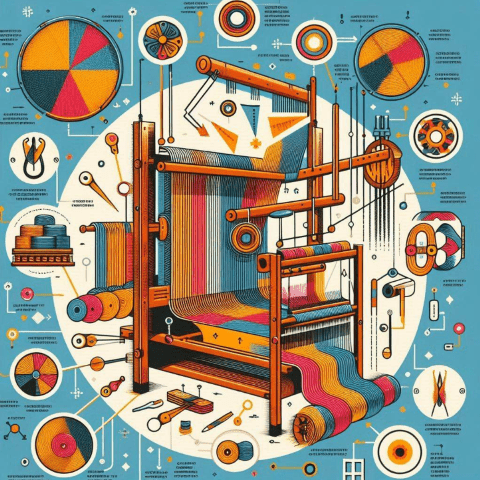
The production of Vinyon fibers involves a specialized process known as wet spinning. This process is crucial for transforming the vinyl chloride polymer into a usable fiber form that can be woven or knitted into textiles.
- Wet Spinning Process:
- Polymer Dissolution: Vinyl chloride polymer is dissolved in a suitable solvent to create a viscous solution.
- Extrusion: The polymer solution is extruded through spinnerets—small holes that shape the fibers.
- Coagulation Bath: The extruded solution is passed through a coagulating bath, where the fibers solidify.
- Washing and Drying: The fibers are washed to remove any remaining solvent, then dried to ensure stability.
- Stretching: The fibers are stretched to enhance their tensile strength and stability.
- Outcome: The result is a strong, resilient fiber with a range of desirable properties suitable for various applications in the textile industry.
Key Characteristics of Vinyon Fibers
Vinyon fibers possess several unique characteristics that make them suitable for a wide range of applications in textiles:
- High Tensile Strength: Vinyon fibers are stronger than many natural fibers, making them ideal for applications requiring durability.
- Abrasion Resistance: The fibers have excellent resistance to abrasion, allowing them to withstand wear and tear in heavy-duty applications.
- Chemical Resistance: Vinyon fibers are resistant to many chemicals, making them suitable for industrial environments.
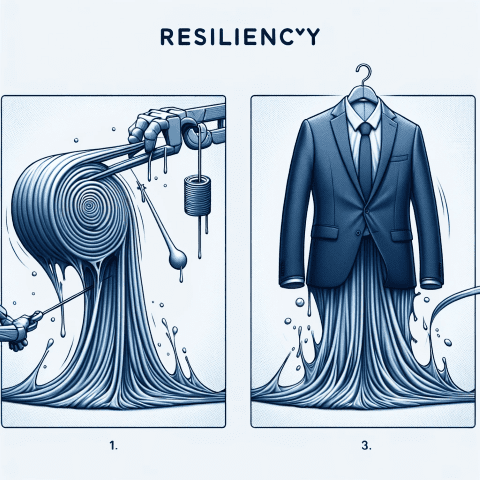
- Elasticity and Shape Retention: Vinyon maintains its shape and elasticity, preventing wrinkles and deformation even after repeated use and washing.
- Low Moisture Absorption: These fibers do not easily absorb moisture, enabling quick drying and resistance to moisture-related issues such as mildew and rot.
Applications of Vinyon in the Textile Industry
Due to its durability, resilience, and unique properties, Vinyon is used in various textile products across multiple industries. Some common applications include:
- Outdoor Gear
Vinyon is widely used in outdoor gear due to its water resistance, durability, and ability to withstand harsh environmental conditions.
- Tents: Vinyon fibers are used in tent fabrics to provide strength and resistance to wear and tear.
- Backpacks: The fibers' durability makes them ideal for backpacks, which require materials that can handle significant weight and stress.
- Raincoats: Vinyon's water resistance and quick-drying properties make it suitable for raincoats and other weather-resistant clothing.
- Industrial Textiles
The strength and chemical resistance of Vinyon fibers make them well-suited for industrial applications.- Conveyor Belts: Used in the manufacturing of conveyor belts due to their strength and ability to withstand continuous use.
- Ropes and Tarps: The fibers' resilience makes them ideal for heavy-duty ropes and tarps used in industrial settings.
- Military and Defense Sector
Vinyon's properties are particularly valued in the military and defense sectors, where durability and performance under challenging conditions are critical.- Military Uniforms: Used in uniforms for its durability, water resistance, and abrasion resistance.
- Combat Gear: The fibers' resilience ensures long-lasting performance in combat gear and protective clothing.
- Other Applications
Vinyon fibers are also used in other applications where strength, durability, and easy maintenance are required.- Fishing Lines and Nets: Vinyon's strength and resistance to water make it ideal for fishing lines and nets.
- Upholstery Fabrics: Used in upholstery fabrics and heavy-duty curtains due to its durability and resistance to wear.
Notable Manufacturers and Users of Vinyon
Several manufacturers and industries utilize Vinyon fibers in their products. Key players in the market include:
- Toray Industries: A leading Japanese multinational corporation, Toray Industries specializes in various industries, including textiles. Toray produces Vinyon-based materials for outdoor and industrial applications, leveraging its durability and water resistance.
- Military and Defense: The military sector employs Vinyon for uniforms, combat gear, and protective clothing, taking advantage of its resilience and ability to perform in challenging conditions.
Advancing Textile Innovation with Vinyon
Vinyon fibers have carved out a significant niche in the textile industry due to their unique properties and versatility. As a synthetic fiber derived from vinyl chloride, Vinyon offers numerous advantages over natural fibers, including high tensile strength, exceptional abrasion resistance, and low moisture absorption. These characteristics make it an excellent choice for various applications that demand durability, resilience, and performance under challenging conditions. From outdoor gear to industrial textiles and military applications, Vinyon's role in enhancing product quality and longevity is undeniable.
The production process of Vinyon, involving wet spinning and stretching, allows for the creation of fibers that are not only strong but also flexible and resistant to deformation. This process gives Vinyon its unique ability to maintain its shape and integrity, even after repeated use and exposure to harsh environments. These attributes are particularly valuable in outdoor and industrial settings, where materials must withstand constant wear and tear while maintaining their functionality. The quick-drying nature and low moisture absorption of Vinyon further enhance its appeal for applications where water resistance is crucial, such as in raincoats, tents, and backpacks.
In addition to its use in outdoor and industrial products, Vinyon is also favored in the military and defense sectors. The fiber's durability and resistance to abrasion make it ideal for military uniforms, combat gear, and protective clothing, where the highest standards of performance and protection are required. Vinyon's ability to endure extreme conditions without compromising comfort or functionality makes it a preferred choice for military applications, where reliability and longevity are paramount.
Vinyon's role in advancing textile innovation is further underscored by its application in specialized fields like fishing lines, nets, upholstery fabrics, and heavy-duty curtains. These applications benefit from Vinyon's strength, durability, and ease of maintenance, providing solutions that meet the demands of both industrial and consumer markets. The fiber's resilience and low maintenance requirements align with the growing trend toward sustainable and durable materials, which are increasingly sought after in various industries.
Looking ahead, the potential for Vinyon in the textile industry is vast. As environmental concerns continue to shape consumer preferences and industry standards, the demand for materials that offer a balance of durability, functionality, and sustainability will likely grow. Vinyon, with its array of desirable properties, is well-positioned to meet this demand. Manufacturers like Toray Industries are at the forefront of this innovation, leveraging the fiber's strengths to develop new products and applications that cater to evolving market needs.
Moreover, the ongoing research and development efforts in synthetic fibers, including Vinyon, suggest a future where textiles are not only stronger and more durable but also more environmentally friendly. Advances in production techniques and fiber technology could lead to the creation of Vinyon variants with enhanced performance characteristics, such as improved biodegradability or greater resistance to specific environmental factors. These developments would further solidify Vinyon's position as a critical component in the future of textile innovation.
In summary, Vinyon is a versatile and robust synthetic fiber that plays a crucial role in various textile applications. Its unique properties make it an excellent alternative to natural fibers, particularly in contexts where strength, resilience, and water resistance are paramount. As the textile industry continues to evolve, Vinyon's contributions to enhancing product quality and sustainability will remain significant, driving innovation and meeting the diverse needs of global markets.