Share on X
Cultivating and Profiting from Honey: A Comprehensive Overview
Honey has been valued since ancient times for its sweetness, nutritional properties, and medicinal benefits. It plays a crucial role in the agricultural ecosystem, not only as a product of beekeeping but also in enhancing crop pollination. The significance of honey extends beyond its use as a sweetener, encompassing various applications in health, cosmetics, and industrial processes. In agriculture, honey production involves the meticulous management of bees and their habitats, influencing not just the quality of honey but also the health of entire ecosystems. Beekeeping and honey production offer economic benefits for rural communities, contribute to biodiversity, and aid in maintaining ecological balance. This article delves into the various aspects of honey in agriculture, examining production methods, economic impact, nutritional value, and the challenges faced in this industry. Additionally, it explores the advancements in technology and sustainable practices that are shaping the future of honey production.
Honey Production
Beekeeping and Apiary Management
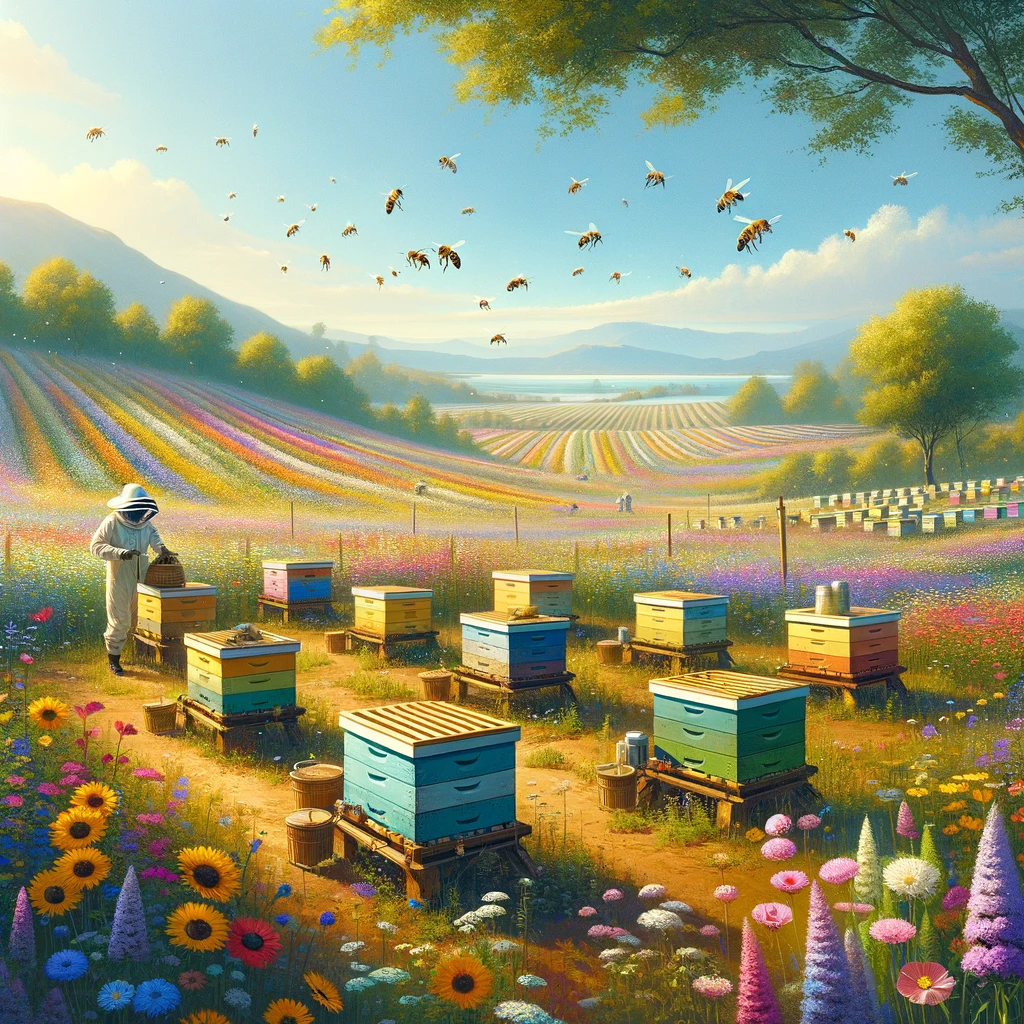
Beekeeping, also known as apiculture, is the practice of maintaining bee colonies in hives to produce honey and other bee products. Successful beekeeping requires careful planning, knowledge of bee behavior, and the ability to manage various environmental factors. Apiary management is a critical aspect of beekeeping that involves selecting the right location for hives, providing adequate food sources for bees, and implementing practices to prevent diseases and pests. Beekeepers must monitor hive health, ensure proper ventilation, and maintain the ideal temperature within the hives. Additionally, seasonal management is essential to prepare colonies for different weather conditions, such as insulating hives during winter and providing shade in summer. By managing apiaries effectively, beekeepers can optimize honey production, ensure the health of the bees, and contribute to the pollination of nearby crops, enhancing agricultural productivity.
- Hive Placement:
Selecting an appropriate location for hives is crucial. Factors to consider include proximity to flowering plants, water sources, and protection from extreme weather conditions. Strategic hive placement enhances bee foraging and ensures a steady supply of nectar and pollen. - Seasonal Management:
Beekeepers must adjust their management practices according to the season. For example, they may need to provide supplemental feeding during nectar dearth periods and take measures to protect hives from cold during winter months. - Disease and Pest Control:
Effective apiary management includes regular inspections to detect and manage common bee diseases like Varroa mite infestations, Nosema, and American Foulbrood. Treatments may involve chemical control, hygienic breeding practices, and maintaining strong colonies to resist pests naturally. - Queen Rearing:
Beekeepers may practice queen rearing to ensure the hive has a healthy and productive queen. A strong queen leads to a robust colony, increasing honey production and enhancing the hive’s overall health. - Pollination Services:
Bees play a vital role in pollination, contributing to the growth of many crops. Beekeepers may move hives to different locations seasonally to provide pollination services for crops like almonds, apples, and berries, earning additional income and supporting agricultural production.
Types of Honey
Honey is categorized based on its floral source, processing method, and geographical origin. Each type of honey possesses unique characteristics, including flavor, color, and medicinal properties. Monofloral honey, for example, is produced when bees predominantly forage on a single type of flower, resulting in honey with distinct flavor profiles and beneficial compounds specific to that plant. Polyfloral honey, on the other hand, is a blend of nectar from various flowers, offering a more complex taste and a wide range of nutrients. Raw honey is often sought after for its unprocessed state, which retains natural enzymes, antioxidants, and pollen. In contrast, processed honey undergoes filtration and pasteurization to remove impurities and extend shelf life, albeit at the expense of some beneficial properties. Specialty types like Manuka honey are prized for their unique therapeutic benefits, such as antibacterial activity, which is linked to the nectar source. Understanding the different types of honey helps consumers make informed choices and allows producers to cater to diverse market demands.
- Monofloral Honey:
This type of honey is derived mainly from the nectar of a single flower species. Examples include clover honey, lavender honey, and orange blossom honey. Monofloral honey often has a distinctive taste and aroma, influenced by the specific plant source. - Polyfloral Honey:
Also known as wildflower honey, polyfloral honey is produced from the nectar of various flowers. Its flavor, color, and nutritional content can vary depending on the types of flowers in bloom and the season. - Raw Honey:
Unprocessed and unpasteurized, raw honey contains natural enzymes, antioxidants, and pollen. It is believed to have higher nutritional value and health benefits compared to processed honey. - Processed Honey:
Processed honey is filtered and pasteurized to remove impurities, prevent crystallization, and increase shelf life. While processing can extend honey’s usability, it may reduce some of its natural nutrients and beneficial compounds. - Manuka Honey:
Produced in New Zealand and Australia, Manuka honey is known for its potent antibacterial and medicinal properties. Its unique activity is attributed to the compound methylglyoxal (MGO), making it a sought-after product for health and wellness.
Economic Importance of Honey in Agriculture
The economic impact of honey production in agriculture extends far beyond the sale of honey itself. Beekeeping serves as an income-generating activity, particularly for small-scale and rural farmers. It requires relatively low initial investment and can be integrated into existing agricultural practices, making it an accessible venture for those in developing regions. Honey and other bee products like beeswax, propolis, royal jelly, and bee pollen have significant market value. These products are used in various industries, including food, cosmetics, pharmaceuticals, and traditional medicine. Additionally, honey bees play a crucial role in the pollination of crops, which directly influences the yield and quality of fruits, vegetables, nuts, and seeds. Pollination services provided by bees contribute significantly to agricultural productivity, ensuring food security and supporting biodiversity. The economic benefits of honey production, combined with its environmental importance, make it a valuable component of sustainable agriculture.
- Income Generation:
Beekeeping offers an alternative source of income for farmers and rural communities. Small-scale beekeepers can sell honey, beeswax, and other bee products at local markets, adding to their financial stability. - Employment Opportunities:
The honey industry creates jobs in various sectors, including beekeeping, honey processing, packaging, and distribution. It provides employment opportunities, especially in rural areas, supporting livelihoods and community development. - Export Revenue:
Honey is an export commodity for many countries. High-quality, specialty honey like Manuka commands premium prices in international markets, contributing to foreign exchange earnings. - Pollination Services:
Honey bees play an essential role in pollinating numerous crops, including almonds, apples, blueberries, and melons. By facilitating pollination, bees enhance crop yields, improve fruit quality, and increase the economic value of agricultural produce. - Value-Added Products:
Beekeepers can diversify their income by producing value-added products such as flavored honey, honey-infused skincare products, and beeswax candles. These products cater to niche markets and enhance the profitability of beekeeping operations.
Honey’s Nutritional and Medicinal Value
Honey is not just a natural sweetener; it is also packed with essential nutrients, antioxidants, and bioactive compounds that offer numerous health benefits. Its nutritional profile includes carbohydrates, primarily fructose and glucose, which provide a quick source of energy. Honey also contains small amounts of vitamins and minerals such as vitamin C, calcium, iron, and magnesium. The presence of antioxidants like flavonoids and phenolic acids helps combat oxidative stress in the body, contributing to overall health. In traditional medicine, honey has been used for its antibacterial, anti-inflammatory, and wound-healing properties. It is often used as a natural remedy for sore throats, digestive issues, and skin conditions. Scientific studies have supported many of these claims, revealing honey’s potential in promoting gut health, boosting immunity, and even aiding in the management of diabetes due to its lower glycemic index compared to refined sugar. Understanding honey's nutritional and medicinal properties underscores its value as a multifunctional product in both dietary and therapeutic contexts.
- Nutritional Content:
Honey is rich in natural sugars, particularly fructose and glucose, which provide an immediate energy boost. It also contains vitamins (e.g., vitamin B6, niacin, riboflavin), minerals (e.g., calcium, potassium, zinc), amino acids, and enzymes, contributing to its health benefits. - Antioxidant Properties:
Honey is a source of antioxidants, including flavonoids and phenolic compounds, which help neutralize free radicals in the body. These antioxidants may reduce the risk of chronic diseases such as heart disease and cancer. - Antibacterial and Wound-Healing Properties:
Honey’s antibacterial properties are attributed to its low pH, hydrogen peroxide content, and natural compounds like methylglyoxal (MGO). It has been used topically to promote wound healing, reduce infection, and alleviate skin conditions such as burns and ulcers. - Digestive Health:
Honey acts as a prebiotic, promoting the growth of beneficial gut bacteria. It can aid in digestion, soothe the stomach lining, and alleviate gastrointestinal disorders like gastritis and acid reflux. - Alternative to Refined Sugars:
Due to its lower glycemic index, honey is considered a healthier alternative to refined sugars. It can be used in moderation by individuals managing blood sugar levels, although caution is advised for those with diabetes.
Environmental and Sustainable Practices
The relationship between honey production and the environment is mutually beneficial. Bees play an essential role in pollinating many of the crops that make up the world's food supply, thereby supporting biodiversity and ecosystem health. Sustainable beekeeping practices are vital to ensure the long-term health of bee populations and the environment. Organic beekeeping, for example, avoids the use of synthetic chemicals and antibiotics, fostering a healthier habitat for bees and preserving the purity of honey. Practices such as providing diverse forage, minimizing hive disturbance, and maintaining natural habitats contribute to the well-being of bee colonies and the surrounding ecosystem. By promoting biodiversity, sustainable beekeeping helps mitigate the effects of climate change and supports the resilience of agricultural systems. Additionally, beekeepers and farmers can collaborate on practices like planting bee-friendly crops and reducing pesticide use to create a more favorable environment for bees. Environmental stewardship in honey production is not only crucial for preserving bee populations but also for ensuring the sustainability of the agricultural industry as a whole.
- Biodiversity Conservation:
Bees are key pollinators for many plants, including wildflowers and agricultural crops. By supporting diverse flora, bees contribute to the health and resilience of ecosystems, enhancing biodiversity and promoting the survival of various plant and animal species. - Organic Beekeeping:
Organic beekeeping avoids the use of synthetic pesticides, fertilizers, and antibiotics, ensuring that honey remains free from chemical residues. This practice promotes a healthier environment for bees and produces high-quality honey. - Natural Habitat Preservation:
Sustainable beekeeping practices include preserving and restoring natural habitats for bees. Beekeepers may plant native flowers, shrubs, and trees to provide year-round forage for bees, supporting their nutritional needs and promoting hive health. - Climate Change Mitigation:
By enhancing biodiversity and supporting pollination, beekeeping contributes to the stability of ecosystems. Healthy ecosystems are more resilient to climate change, helping to mitigate its impact on agriculture and food security. - Collaboration with Farmers:
Beekeepers and farmers can work together to implement bee-friendly agricultural practices. This includes reducing pesticide use, creating buffer zones with wildflowers, and adopting integrated pest management (IPM) techniques to minimize harm to pollinators.
Challenges in Honey Production
Honey production faces numerous challenges that threaten the sustainability of beekeeping and the health of bee populations. Pesticide exposure is a significant concern, as harmful chemicals used in agriculture can contaminate nectar and pollen, leading to bee mortality and reduced hive productivity. Climate change also poses a threat, affecting the availability of floral resources and altering flowering patterns. These changes can disrupt bees' foraging behavior and impact honey yields. Additionally, the phenomenon known as Colony Collapse Disorder (CCD) has resulted in the sudden and unexplained loss of entire bee colonies, raising alarm among beekeepers and researchers. CCD is attributed to a combination of factors, including pesticides, pathogens, habitat loss, and nutritional deficiencies. Other challenges include diseases such as Varroa mites, Nosema, and American Foulbrood, which require vigilant management and treatment. Addressing these challenges is crucial to ensuring the future viability of honey production and the essential pollination services that bees provide to agriculture.
- Pesticide Exposure:
Pesticides, particularly neonicotinoids, pose a significant risk to bees. Exposure to these chemicals can result in bee mortality, impaired foraging behavior, and weakened immune systems, leading to reduced honey production and colony decline. - Climate Change:
Changes in climate patterns, such as shifts in temperature and rainfall, affect the availability and quality of floral resources. Altered flowering times and reduced nectar flow can impact bees' ability to forage effectively, resulting in lower honey yields. - Colony Collapse Disorder (CCD):
CCD is characterized by the sudden disappearance of worker bees from a hive, leaving behind the queen and immature bees. The exact cause of CCD is not well understood, but it is believed to result from multiple stressors, including pesticide exposure, pathogens, and poor nutrition. - Diseases and Pests:
Honey bees are susceptible to various diseases and pests, such as Varroa mites, Nosema, and American Foulbrood. These threats can weaken colonies, reduce honey production, and require active management to prevent outbreaks. - Habitat Loss:
Urbanization, agricultural intensification, and deforestation contribute to the loss of natural habitats for bees. Reduced access to diverse forage and nesting sites impacts bee health and the sustainability of honey production.
The Role of Technology in Honey Production
Technology plays an increasingly vital role in modern beekeeping and honey production, offering innovative solutions to the challenges faced by beekeepers. Modern beekeeping techniques, such as the use of Langstroth hives, have revolutionized hive management by allowing beekeepers to inspect, harvest, and manage bee colonies more efficiently. Digital tools, including hive monitoring systems and mobile applications, provide real-time data on hive conditions, bee activity, and environmental factors. These technologies enable beekeepers to monitor hive health, detect potential problems early, and take proactive measures to maintain colony strength. Advanced processing techniques, such as pasteurization, filtration, and crystallization, ensure honey quality and safety for consumers. Additionally, breeding programs that focus on developing resistant and resilient bee strains help address the challenges of pests and diseases. By leveraging technology, beekeepers can optimize honey production, improve the health and welfare of bees, and contribute to the sustainability of the agriculture industry.
- Modern Beekeeping Techniques:
The use of movable-frame hives like Langstroth hives allows beekeepers to inspect and manage colonies with minimal disturbance. It facilitates efficient honey extraction and swarm control, enhancing hive productivity. - Hive Monitoring Systems:
Digital hive monitoring systems use sensors to collect data on temperature, humidity, hive weight, and bee activity. This information helps beekeepers track hive conditions, detect issues such as brood diseases or queen loss, and make informed management decisions. - Mobile Applications:
Mobile apps provide beekeepers with tools to record hive inspections, monitor weather conditions, and access educational resources. These apps support decision-making and help optimize beekeeping practices for better honey production. - Advanced Processing Techniques:
Modern processing methods, including pasteurization and filtration, improve honey quality by removing impurities, reducing moisture content, and preventing crystallization. These techniques ensure that honey meets safety and quality standards for consumer markets. - Breeding and Genetic Research:
Breeding programs focus on developing bee strains that are resistant to pests and diseases, such as Varroa-resistant bees. Genetic research also aims to enhance traits like honey production, foraging efficiency, and climate adaptability in bee populations.
Market Trends and Consumer Preferences
The global honey market is influenced by various trends and consumer preferences, reflecting the evolving demands for natural, organic, and health-promoting products. There is a growing demand for organic honey, driven by consumers’ increasing awareness of health and environmental issues. Organic honey is produced using sustainable beekeeping practices that avoid synthetic chemicals, ensuring a pure and high-quality product. Specialty honey, such as Manuka honey, has gained popularity due to its unique medicinal properties and premium status. Consumers are also seeking raw and unprocessed honey, which is valued for its natural enzymes, antioxidants, and unaltered flavor. Additionally, the rise of the health and wellness industry has led to an increased use of honey as a natural sweetener and functional ingredient in various food and beverage products. The market is also witnessing a trend toward traceability and transparency, with consumers seeking information about the honey’s origin, production methods, and authenticity. These market trends highlight the importance of quality, sustainability, and innovation in meeting consumer expectations and driving the growth of the honey industry.
- Organic Honey:
The demand for organic honey is on the rise, driven by consumers' preference for natural and chemical-free products. Organic honey is produced using sustainable beekeeping practices, ensuring that it is free from pesticides, antibiotics, and synthetic additives. - Specialty Honey:
Manuka honey, Acacia honey, and other specialty honeys are sought after for their unique flavor profiles and health benefits. Manuka honey, in particular, is prized for its antibacterial properties and commands a premium price in the market. - Raw and Unprocessed Honey:
Consumers increasingly prefer raw honey for its natural enzymes, antioxidants, and nutritional value. Raw honey is minimally processed, retaining its original flavor, texture, and beneficial compounds. - Health and Wellness Industry:
Honey is used as a natural sweetener and functional ingredient in health foods, beverages, and dietary supplements. It is favored by consumers seeking healthier alternatives to refined sugars and artificial sweeteners. - Traceability and Authenticity:
Consumers are becoming more conscious of the origin and authenticity of honey. They seek transparency in labeling, including information about the floral source, production methods, and country of origin, to ensure they are purchasing genuine and high-quality honey.
Future Prospects of Honey in Agriculture
The future of honey in agriculture looks promising, with opportunities for innovation, sustainable practices, and expanded market potential. Advancements in beekeeping technology and research are expected to address some of the current challenges, such as disease management, climate change adaptation, and colony health. Innovations in hive design, genetic research, and digital monitoring will enhance beekeeping efficiency and productivity, supporting the growth of the honey industry. Sustainable agricultural practices, including agroecology and organic farming, will continue to promote the health and resilience of bee populations, contributing to biodiversity and ecosystem services. The integration of beekeeping with crop farming can enhance pollination services, improve crop yields, and create more resilient agricultural systems. The market for honey is also expected to grow, driven by increasing consumer demand for natural, organic, and health-promoting products. Producers who focus on quality, sustainability, and value-added products will be well-positioned to capitalize on these market trends. By embracing innovation, sustainability, and consumer preferences, the honey industry can play a vital role in the future of agriculture.
- Innovation in Beekeeping:
Research and development in beekeeping technology will lead to improved hive designs, advanced monitoring systems, and better management practices. These innovations will enhance honey production, support bee health, and address challenges such as disease control and climate adaptation. - Sustainable Agricultural Practices:
The future of honey production lies in sustainable and organic practices that support the health and resilience of bee populations. Integrated farming systems, agroforestry, and habitat restoration will promote biodiversity, enhance pollination services, and ensure the sustainability of agriculture. - Market Expansion:
The demand for honey and honey-based products is expected to grow, driven by consumer preferences for natural, organic, and health-promoting foods. Producers who focus on quality, authenticity, and value-added products, such as flavored honey, honey-infused products, and functional foods, will have a competitive edge in the market. - Global Trade and Standards:
As the honey market expands globally, there will be a greater emphasis on quality standards, traceability, and certification. International trade regulations and consumer awareness will drive the adoption of best practices in honey production and ensure the authenticity and safety of honey products. - Collaboration and Education:
Collaboration among beekeepers, farmers, researchers, and policymakers will be crucial in addressing the challenges and opportunities in honey production. Education and awareness programs will promote sustainable beekeeping practices, support bee conservation, and enhance the economic and environmental benefits of honey production.
A Comprehensive Summary of Honey's Role in Agriculture
Honey is not merely a by-product of beekeeping but a vital component of the agricultural industry. It serves multiple roles, from economic benefits to ecological significance. The production of honey involves intricate processes and practices that have both direct and indirect impacts on agriculture, influencing pollination, crop yields, and biodiversity. Its diverse applications in nutrition, medicine, and industry highlight its multifaceted value. Addressing the challenges in honey production through sustainable and innovative practices is crucial for the continued prosperity of the agriculture sector.
Honey's Impact on Agriculture
Honey's multifaceted role in agriculture extends beyond simple production to encompass ecological, economic, and health-related aspects. The ongoing challenges, such as pesticide exposure and climate change, necessitate a collaborative approach involving beekeepers, farmers, scientists, and policymakers. Integrating technological advancements and sustainable practices can enhance honey production, ensuring its continued contribution to global agriculture.
Honey's economic importance is evident in its ability to provide income and employment opportunities, particularly in rural areas. The demand for various types of honey, including organic and specialty varieties like Manuka honey, highlights the market's evolving nature. Furthermore, honey's nutritional and medicinal benefits continue to drive consumer interest, positioning it as a valuable agricultural product.
Incorporating honey into sustainable agricultural practices can contribute to biodiversity and ecosystem resilience. Bees, as essential pollinators, play a crucial role in supporting crop production and maintaining ecological balance. Therefore, the future of honey in agriculture depends on fostering sustainable practices, embracing innovation, and addressing the challenges facing bee populations and honey production.