Agriculture
What are "Rosenbergii Prawns" - Definition & Explanation
Last Updated on: 07-Oct-2024 (1 year, 6 months, 26 days ago)
Help Us Grow

Boost Rosenbergii Prawn Growth: Top Nutritional Tips Every Farmer Must Know


rosenbergii-prawn-farming-nutrition
rosenbergii-prawn-farming-nutrition-1
rosenbergii-prawn-farming-nutrition-2

Nutrition for Optimal Rosenbergii Prawn Growth

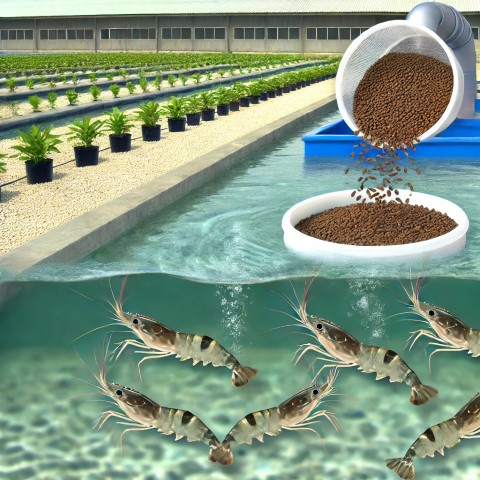
Providing adequate nutrition is crucial for the health and growth of Rosenbergii prawns. A balanced diet that supplies the necessary nutrients is essential for optimal development and productivity.

Nutrient Requirements

Rosenbergii prawns require a variety of nutrients to meet their nutritional needs. These include:

  • Protein: Protein is essential for growth, tissue repair, and immune function.
  • Carbohydrates: Carbohydrates provide energy for metabolism and growth.
  • Fats: Fats are necessary for energy storage, hormone production, and cell membrane structure.
  • Vitamins: Vitamins are essential for various physiological functions, including growth, reproduction, and immune health.
  • Minerals: Minerals are required for bone formation, enzyme activity, and overall health.

The specific nutrient requirements of Rosenbergii prawns can vary depending on their growth stage and environmental conditions. Juvenile prawns may have different nutritional needs compared to adult prawns.

Feed Formulation

High-quality feed is essential for ensuring that Rosenbergii prawns receive the necessary nutrients. Commercial feed formulations are specifically designed to meet the nutritional requirements of prawns at different stages of their life cycle. These feeds typically contain a balanced mixture of protein, carbohydrates, fats, vitamins, and minerals.

In addition to commercial feeds, some farmers may choose to supplement their prawns' diet with natural ingredients, such as fish meal, shrimp meal, and plant-based proteins. However, it is important to ensure that these supplements are properly formulated and do not contain harmful contaminants.

Feeding Strategies

Proper feeding strategies are essential for maximizing prawn growth and minimizing feed wastage. Factors to consider include:

  • Feeding frequency: The frequency of feeding will depend on the age and size of the prawns. Juvenile prawns may require more frequent feedings compared to adult prawns.
  • Feeding amounts: The amount of feed provided should be adjusted based on the prawns' growth rate and water temperature. Overfeeding can lead to water pollution and reduced feed efficiency.
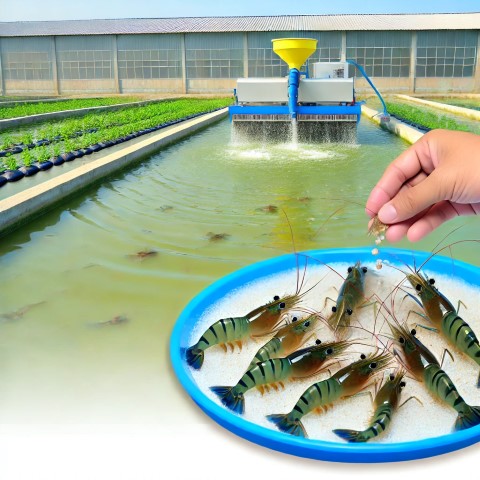
  • Feed delivery methods: Feed can be delivered manually or through automated feeders. Automated feeders can help to ensure consistent feeding and reduce labor costs.

By providing a balanced diet and following appropriate feeding strategies, farmers can optimize the growth and productivity of their Rosenbergii prawn farms.


See Also:

Author Image

TGA Staff Sub-Editor, TG Academy

TGAcademy Staff Writer

Note: This content is for informational purposes only. Please read our full disclaimer for more details.

Frequently Asked Questions

Rosenbergii prawns require a balanced diet with high protein content (30-40%) to support muscle development and tissue repair. Carbohydrates provide energy for metabolic processes, while fats play a crucial role in energy storage and hormone production. Essential vitamins like A, D, E, and B-complex boost immune function, reproduction, and growth, while minerals such as calcium, phosphorus, and zinc are necessary for exoskeleton formation and enzyme activity.

Each growth stage demands a specific nutrient ratio. Juvenile prawns need more protein-rich feed to accelerate early growth, while adult prawns benefit from a diet focused on energy and immune health to maintain optimal weight and productivity.

Commercial feed tailored for prawns contains a balance of proteins, fats, carbohydrates, vitamins, and minerals. Many feeds incorporate fishmeal or shrimp meal as primary protein sources, with plant-based proteins (e.g., soybean or algae) supplementing the diet. These formulations are designed to mimic natural diets, ensuring efficient digestion and nutrient absorption.

Farmers can also customize feed by adding probiotics or supplements, improving gut health and reducing disease risks. However, balancing these inputs is critical, as poor formulation can lead to nutrient deficiencies or water pollution from unabsorbed feed.

Water temperature affects the metabolism and appetite of prawns. Warmer water increases metabolic rates, necessitating higher feeding frequencies and energy intake to support growth. In colder temperatures, prawns become less active, requiring smaller and less frequent feedings to avoid waste accumulation and poor water quality.

Monitoring water temperature helps farmers adjust feed quantities and schedules, preventing overfeeding, which can result in water pollution and reduced feed conversion efficiency.

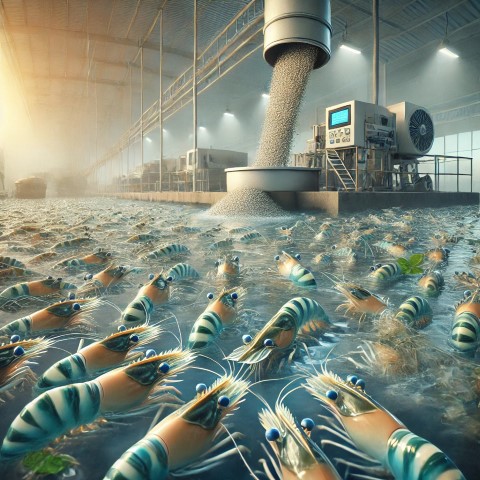
Automated feeders release feed at programmed intervals, ensuring consistent feeding that matches the prawns’ growth needs. This reduces labor costs and minimizes human error associated with manual feeding. Automated systems also prevent overfeeding by controlling the exact quantity dispensed, improving feed efficiency and water quality.

These systems can be integrated with IoT-based sensors, enabling real-time monitoring of prawn behavior and water conditions to further fine-tune feeding schedules and maximize growth.

Overfeeding leads to uneaten feed accumulation, which decomposes and releases harmful substances like ammonia and nitrites into the water. To prevent this, farmers should carefully monitor feeding rates and observe prawn behavior to adjust feed quantities accordingly. Using feeding trays allows farmers to assess consumption levels, ensuring that all feed is eaten.

Adopting biofloc technology also helps reduce nutrient buildup, as beneficial bacteria convert excess organic matter into microbial feed that prawns can consume, preventing pollution and waste.

Probiotics enhance the gut microbiome of prawns, promoting better digestion and nutrient absorption. They also help boost immunity, reducing the risk of diseases and improving survival rates. Regular inclusion of probiotics in feed improves the feed conversion ratio (FCR), making the farm more sustainable by reducing feed waste.

Additionally, probiotics can minimize pathogen growth in ponds, promoting healthier environments for prawns and ensuring optimal growth conditions.

The feed conversion ratio (FCR) measures the efficiency of feed usage—how much feed is required to produce one kilogram of prawn weight. Lower FCR values indicate better feed efficiency, reducing feed costs, which typically constitute a large portion of operational expenses. Achieving an optimal FCR involves providing balanced feed, using automated feeders, and maintaining ideal water conditions.

Efficient FCR also minimizes environmental impact by reducing nutrient discharge from uneaten feed, contributing to sustainable farming practices.

Farmers often supplement commercial feeds with natural sources like algae, aquatic plants, and insect larvae, which provide essential nutrients and simulate the prawns' natural diet. Fish offcuts or shrimp shells are also popular, adding protein and minerals. However, these supplements must be carefully balanced to prevent contamination and nutrient imbalances.

Sustainable farms explore microalgae or insect-based feeds, which are environmentally friendly alternatives to traditional fishmeal, promoting biodiversity and reducing dependence on overfished marine stocks.

During the grow-out phase, prawns require frequent, well-timed feedings to reach market size efficiently. Farmers typically adopt split feeding strategies, providing smaller amounts of feed several times a day to match prawn activity levels and avoid waste. Monitoring prawns’ growth through weekly sampling helps farmers adjust feeding rates accordingly.

In larger operations, automated systems can dispense feed based on real-time data, ensuring that prawns receive the appropriate amount of nutrients to optimize growth rates without compromising water quality.

Sustainable feeding practices involve minimizing waste, reducing dependency on wild fishmeal, and incorporating eco-friendly ingredients like plant-based proteins. By adopting technologies like biofloc systems and automated feeding, farmers can improve nutrient utilization, cut costs, and reduce environmental impact. These practices support long-term farm productivity by maintaining clean water conditions and ensuring healthy prawn stock.

Additionally, using certified sustainable feeds opens access to premium markets, attracting environmentally conscious consumers and enhancing farm profitability through better market positioning.

Some more terms:

Moringa Farming: A Sustainable Solution for Nutrition and Income Growth

Moringa Farming: A Sustainable Solution for Nutrition and Income Growth

14-Sep-2024 • by Maria Fernandez
Agriculture

Moringa in the Agriculture Industry: A Comprehensive Overview Moringa (Moringa oleifera) is a highly valued plant in the agriculture industry due to its nutritional, medicinal, and economic benefits....

Read about Moringa
Rosenbergii Prawn Disease Control: Proven Strategies to Protect Your Farm

Rosenbergii Prawn Disease Control: Proven Strategies to Protect Your Farm

07-Oct-2024 • by TGA Staff
Agriculture

Preventing and Controlling Diseases in Rosenbergii Prawn Farming Diseases can pose a significant threat to the health and productivity of Rosenbergii prawns. Effective prevention and control measures...

Read about Rosenbergii Prawns
Discover Game-Changing Vannamei Shrimp Farming Innovations for Higher Yields

Discover Game-Changing Vannamei Shrimp Farming Innovations for Higher Yields

07-Oct-2024 • by TGA Staff
Agriculture

Innovations in Vannamei Shrimp Farming Introduction The Vannamei shrimp industry has witnessed significant advancements in recent years, driven by a focus on efficiency, sustainability, and...

Read about Vannamei Shrimp
Vannamei Shrimp Market Shifts: Unlock Emerging Opportunities and Challenges

Vannamei Shrimp Market Shifts: Unlock Emerging Opportunities and Challenges

07-Oct-2024 • by TGA Staff
Agriculture

Consumer Trends and Market Dynamics for Vannamei Shrimp Introduction Understanding consumer trends and market dynamics is essential for Vannamei shrimp farmers and businesses to succeed in the global...

Read about shrimp farmers

Add a definition
Add a definition for a textile term that you know about! Send us an email & tell us:
  • The term you want to define
  • Its definition in 500 words or less
  • Attach an image if necessary.
  • Optionally, tell us about yourself in 200 words or less!

Companies for Rosenbergii Prawns:
If you manufacture, distribute or otherwise deal in Rosenbergii Prawns, please fill your company details below so that we can list your company for FREE! Send us the following details:
  • Company name
  • Company address
  • Attach a logo, if necessary.
  • Optionally, tell us about yourself in 200 words or less!

Did you know this fact?
The United States is a significant producer of plums, with an annual production of over 100,000 metric tons. Plum orchards are concentrated in California, where varieties like Santa Rosa and Black Amber are grown for fresh consumption, processing, and export.
(s) TextileGlossary.com Some rights reserved. • SitemapDisclaimer