Agriculture
What are "Rosenbergii Prawns" - Definition & Explanation
Last Updated on: 07-Oct-2024 (1 year, 6 months, 26 days ago)
Help Us Grow

Rosenbergii Prawn Farming Challenges: How to Protect Your Investment Today?


rosenbergii-prawn-farming-challenges

Challenges in Rosenbergii Prawn Farming

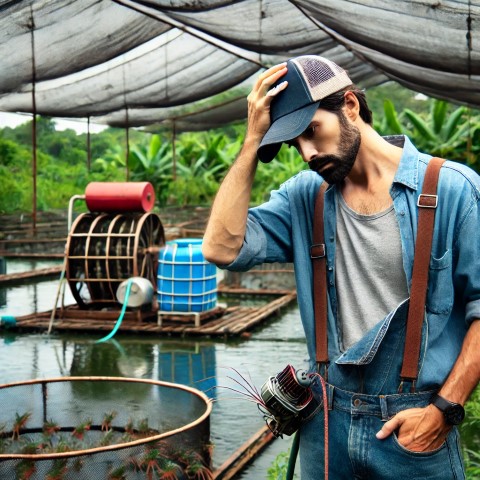
Rosenbergii prawn farming, while offering significant economic and social benefits, is not without its challenges. Farmers and aquaculture businesses face various obstacles that can impact their profitability and sustainability.

Disease Outbreaks

One of the most significant challenges in Rosenbergii prawn farming is the risk of disease outbreaks. Viral diseases such as white spot syndrome virus (WSSV) and Taura syndrome virus (TSV) can cause significant mortality rates and economic losses. Preventing and controlling these diseases requires strict biosecurity measures, regular monitoring, and prompt treatment.

Environmental Factors

Environmental factors can also pose challenges to Rosenbergii prawn farming. Water quality issues, such as fluctuations in pH, salinity, and dissolved oxygen levels, can negatively impact prawn health and survival. Climate change can also affect aquaculture operations, leading to increased temperatures, changes in rainfall patterns, and more frequent extreme weather events.

Market Fluctuations

The market for Rosenbergii prawns can be subject to significant fluctuations, impacting prices and demand. Factors such as economic conditions, consumer preferences, and competition from other seafood sources can influence market dynamics. Farmers and businesses need to be aware of market trends and adjust their operations accordingly.

Technological Advancements

While technological advancements can improve efficiency and sustainability in aquaculture, they can also present challenges. Adopting new technologies may require significant investments and may involve overcoming technical difficulties.

Addressing Challenges

To overcome these challenges, Rosenbergii prawn farmers can implement various strategies:

  • Biosecurity Measures: Implementing strict biosecurity protocols to prevent the introduction and spread of diseases.
  • Water Quality Management: Monitoring and controlling water quality parameters to ensure optimal conditions for prawn growth.
  • Disease Prevention and Control: Implementing vaccination programs, prophylactic treatments, and early detection systems.
  • Sustainable Practices: Adopting sustainable aquaculture practices to minimize environmental impacts and improve long-term sustainability.
  • Market Diversification: Exploring different markets and product lines to reduce reliance on a single market.
  • Risk Management: Implementing risk management strategies to mitigate the impact of market fluctuations and other uncertainties.

By addressing these challenges and adopting effective strategies, Rosenbergii prawn farmers can improve their resilience and ensure the long-term sustainability of their businesses.


See Also:


— TGA StaffTGAcademy Staff Writer

Note: This content is for informational purposes only. Please read our full disclaimer for more details.

Frequently Asked Questions

Diseases such as white spot syndrome virus (WSSV) and Taura syndrome virus (TSV) are highly contagious and can cause severe economic losses by wiping out entire stocks. To prevent these outbreaks, farmers implement biosecurity protocols, including disinfecting equipment, controlling access to ponds, and screening broodstock for pathogens. Early detection through real-time monitoring systems enables rapid response to potential outbreaks, minimizing losses.

Additionally, some farms are exploring probiotics and immunostimulants to enhance the immune system of prawns, reducing their susceptibility to infections. Vaccination programs for emerging diseases are also being developed, though they require continuous research and monitoring for effectiveness.

Water quality fluctuations—in pH, salinity, and dissolved oxygen—directly affect prawn health, growth rates, and survival. Poor water quality can lead to stress, reducing immune responses and making prawns vulnerable to disease. Farmers need to monitor key water parameters frequently and use aeration systems to maintain oxygen levels, especially during high temperatures when oxygen demand increases.

Regular water exchange cycles and filtration systems help remove ammonia and nitrites, preventing toxic buildups. Some farms also adopt recirculating aquaculture systems (RAS), which recycle water and maintain stable environmental conditions, promoting healthy prawn growth throughout the production cycle.

Climate change impacts aquaculture by altering rainfall patterns, increasing temperatures, and causing extreme weather events like floods and droughts. These shifts can disrupt prawn farming operations, affecting productivity and increasing operational costs. To adapt, farmers are integrating cooling systems, shading structures, and disaster-resistant infrastructure into their operations.

Planning for emergency water supplies during droughts or high temperatures is also crucial. Monitoring climate patterns helps farmers make proactive decisions about stocking and harvesting schedules, minimizing disruptions caused by unpredictable weather.

Market fluctuations driven by consumer preferences, competition from other seafood products, and trade policies can impact prices and demand. Shrimp farmers can reduce risk by diversifying their markets—exploring export opportunities in new regions or developing value-added products like pre-cooked or marinated prawns.

Collaborating with buyer cooperatives or securing long-term contracts with retailers also helps stabilize prices. Understanding market trends through data analytics and forecasting tools enables farmers to align production schedules with periods of higher demand.

Implementing new technologies like automated feeding systems and IoT-based monitoring tools can be costly and require technical expertise. For small-scale farmers, accessing the capital needed for these investments is a significant barrier. Governments and financial institutions can provide loans or grants to ease adoption costs and ensure that farmers benefit from these innovations.

Training programs and knowledge-sharing platforms also help farmers understand and operate advanced systems effectively, maximizing the return on investment. Partnering with research institutions ensures access to cutting-edge technologies, promoting efficiency and sustainability in farming practices.

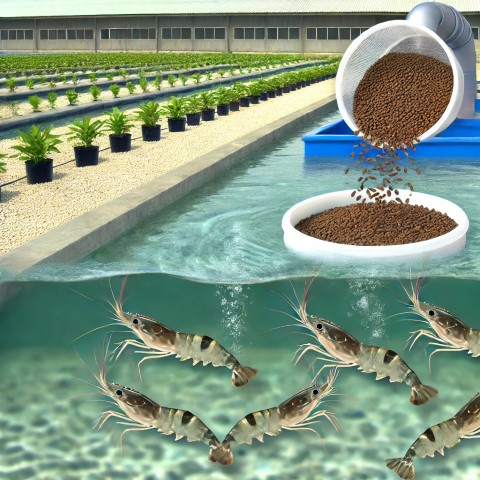
Resilience in prawn farming comes from a combination of disease prevention, sustainable practices, and proactive management. Using genetically improved prawn strains with higher resistance to diseases and environmental stress can reduce losses. Incorporating integrated aquaculture systems, where prawns are raised alongside fish or plants, promotes biodiversity and limits pathogen spread.

Continuous learning from industry trends and staying updated with scientific developments allows farmers to adapt quickly to emerging risks. Participating in insurance programs also provides financial protection in the event of major disruptions.

Prawn farming involves significant financial investment in infrastructure, feed, and technology, and returns are subject to environmental and market risks. Farmers can mitigate financial risks by participating in cooperatives to pool resources and reduce operational costs. Accessing microloans or government grants enables small-scale farmers to fund operations without overextending financially.

Diversifying revenue streams through product innovation—such as developing new prawn-based products—adds stability to income. Keeping detailed financial records helps farmers track profitability and identify areas for cost reduction or efficiency improvements.

Balancing sustainability with profitability is essential to long-term success. Farmers can adopt biofloc systems that recycle nutrients, reducing the need for external feed and preventing water pollution. Recirculating aquaculture systems (RAS) also promote sustainability by minimizing water use and controlling environmental conditions.

Consumers increasingly prefer sustainably certified products, and participating in certification programs like the Aquaculture Stewardship Council (ASC) can provide access to premium markets. Sustainable practices also reduce regulatory risks, ensuring compliance with environmental laws and maintaining operational continuity.

Labor shortages—particularly in remote farming regions—can hinder production and increase operational costs. To address this, farmers are increasingly adopting automation technologies to reduce labor dependency. Automated feeding systems and IoT-powered water monitoring reduce the need for manual labor, ensuring operations run smoothly even with fewer workers.

Additionally, investing in employee training programs helps attract and retain skilled workers, improving operational efficiency. Collaborating with local communities and government employment programs can also provide access to labor resources while fostering rural development.

Partnerships between farmers, government agencies, research institutions, and private companies promote innovation and address common challenges. Collaborative efforts can result in better disease management, improved technologies, and access to new markets. Governments can support farmers by offering incentives and subsidies for sustainable practices and funding research in disease-resistant prawn strains.

International cooperation provides opportunities for knowledge sharing and technology transfer, ensuring that farmers worldwide can adopt best practices. Partnering with certification bodies helps build trust with consumers, further enhancing market opportunities for sustainable prawn products.

Some more terms:

Coriander Farming Success: Key Practices for Healthier Crops and Yield

Coriander Farming Success: Key Practices for Healthier Crops and Yield

22-Sep-2024 • by TGA Staff
Agriculture

The Comprehensive Guide to Coriander: Cultivation, Harvesting, and Benefits of Coriandrum Sativum Coriander ( Coriandrum sativum ), also known as cilantro when referring to its fresh leaves, is one...

Read about Coriander
Boost Rosenbergii Prawn Growth: Top Nutritional Tips Every Farmer Must Know

Boost Rosenbergii Prawn Growth: Top Nutritional Tips Every Farmer Must Know

07-Oct-2024 • by TGA Staff
Agriculture

Nutrition for Optimal Rosenbergii Prawn Growth Providing adequate nutrition is crucial for the health and growth of Rosenbergii prawns . A balanced diet that supplies the necessary nutrients is...

Read about Rosenbergii Prawns
Vannamei Shrimp Market Shifts: Unlock Emerging Opportunities and Challenges

Vannamei Shrimp Market Shifts: Unlock Emerging Opportunities and Challenges

07-Oct-2024 • by TGA Staff
Agriculture

Consumer Trends and Market Dynamics for Vannamei Shrimp Introduction Understanding consumer trends and market dynamics is essential for Vannamei shrimp farmers and businesses to succeed in the global...

Read about shrimp farmers
Vannamei Shrimp Farming Boosts Economic Growth in Developing Countries Today

Vannamei Shrimp Farming Boosts Economic Growth in Developing Countries Today

07-Oct-2024 • by TGA Staff
Agriculture

Vannamei Shrimp Farming in Developing Countries Introduction Vannamei shrimp farming has the potential to contribute significantly to economic development and poverty reduction in developing...

Read about Vannamei shrimp farming

Add a definition
Add a definition for a textile term that you know about! Send us an email & tell us:
  • The term you want to define
  • Its definition in 500 words or less
  • Attach an image if necessary.
  • Optionally, tell us about yourself in 200 words or less!

Companies for Rosenbergii prawns:
If you manufacture, distribute or otherwise deal in Rosenbergii prawns, please fill your company details below so that we can list your company for FREE! Send us the following details:
  • Company name
  • Company address
  • Attach a logo, if necessary.
  • Optionally, tell us about yourself in 200 words or less!

Did you know this fact?
Australia is a key producer of oats, with an annual production of over 1.5 million metric tons. Oat farming is concentrated in regions like Western Australia, South Australia, and New South Wales, where the grain is grown for food, animal feed, and use in breakfast cereals and snacks.
(s) TextileGlossary.com Some rights reserved. • SitemapDisclaimer