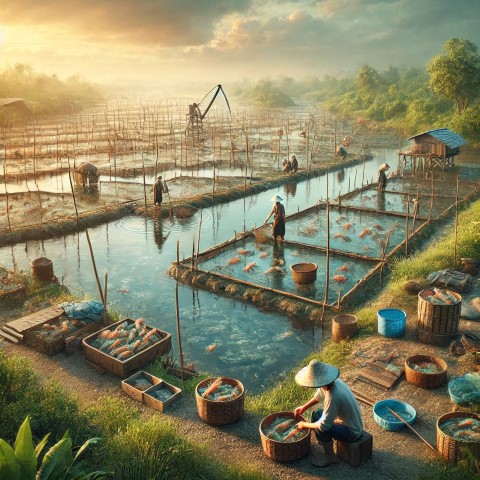
Rosenbergii prawn farming, like many aquaculture industries, has faced criticism for its environmental impacts. However, there is a growing movement towards more sustainable practices in aquaculture, including Rosenbergii prawn production.
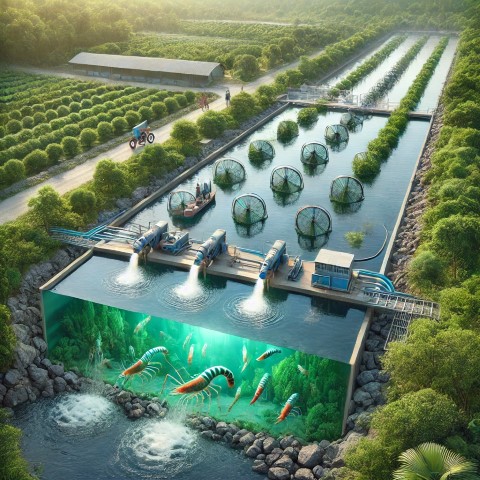
One of the key areas where sustainable practices can be implemented is in reducing water consumption. Recirculating aquaculture systems (RAS) are becoming increasingly popular in Rosenbergii prawn farming. These systems recycle and reuse water, significantly reducing the need for fresh water intake. By minimizing water consumption, RAS can help conserve water resources and reduce the environmental impact of aquaculture.
Rosenbergii prawn farms can also contribute to water pollution through the release of nutrients, organic matter, and antibiotics. Sustainable practices aim to minimize pollution by implementing effective nutrient management strategies, reducing the use of antibiotics, and adopting organic farming methods. Nutrient management involves carefully controlling the amount of feed provided to prawns to avoid excess nutrients entering the water. Organic farming practices focus on using natural inputs and avoiding synthetic chemicals, which can reduce pollution and promote ecosystem health.
Sustainable Rosenbergii prawn farming also involves efforts to conserve biodiversity. This can be achieved through habitat restoration, promotion of native species, and sustainable feed sourcing. Habitat restoration involves creating or restoring suitable habitats for aquatic organisms, while promoting native species helps to maintain biodiversity and ecosystem balance. Sustainable feed sourcing ensures that the feed used for prawns is produced in a way that minimizes environmental impacts and supports biodiversity.
Sustainable practices in Rosenbergii prawn farming are essential for ensuring the long-term viability of the industry and minimizing its environmental footprint. By reducing water consumption, minimizing pollution, and conserving biodiversity, farmers can contribute to a more sustainable and responsible aquaculture sector.
See Also:
Note: This content is for informational purposes only. Please read our full disclaimer for more details.
RAS systems recycle water within closed loops, minimizing the need for continuous water intake. These systems filter out waste and maintain optimal water quality by controlling parameters like pH, dissolved oxygen, and ammonia levels. RAS reduces the environmental footprint by ensuring that fewer water sources are drawn from local ecosystems, conserving both freshwater resources and maintaining ecological balance.
Additionally, RAS minimizes wastewater discharge into surrounding environments, helping farmers comply with regulatory standards. With climate change causing unpredictable water availability, RAS offers a sustainable path forward by stabilizing water use and improving production efficiency year-round.
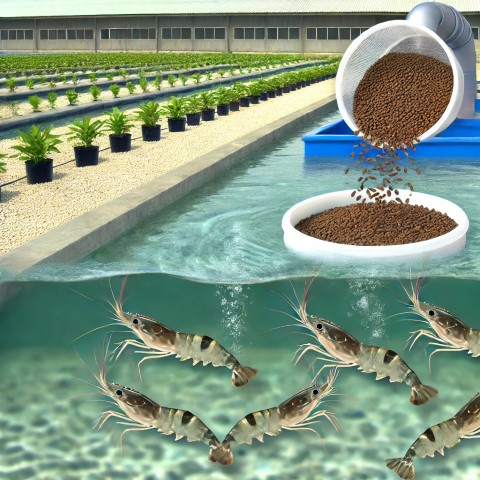
Nutrient management involves precise feeding strategies to avoid overfeeding, which can lead to excessive nutrient build-up in ponds. Overfeeding results in nutrient-rich effluents that cause eutrophication—the excessive growth of algae, reducing oxygen levels and harming aquatic life. Farmers can mitigate this by using automated feeders that release controlled amounts of feed based on shrimp size and water conditions.
Biofloc technology further supports nutrient management by converting waste and uneaten feed into microbial biomass, which prawns can consume as natural feed, reducing dependency on commercial feeds. This method not only minimizes pollution but also enhances the sustainability of the farm.
Integrated aquaculture involves raising prawns alongside other aquatic species, such as fish or aquatic plants, creating a mutually beneficial system. For example, plants absorb excess nutrients from prawn ponds, preventing nutrient runoff and improving water quality. This promotes biodiversity while reducing environmental impacts associated with monoculture systems.
Some farms also raise prawns with filter-feeding fish, which consume algae and organic particles, maintaining clean pond ecosystems. Integrated systems mimic natural ecosystems, promoting sustainability and reducing the need for chemical inputs.
Restoring natural habitats—such as mangrove forests or wetland areas—around prawn farms improves biodiversity and offers essential ecosystem services, including water filtration and carbon sequestration. Mangroves also protect farms from coastal erosion and storm surges, creating a buffer against extreme weather events.
Promoting native aquatic species within farms helps maintain ecosystem stability. By avoiding the introduction of non-native or invasive species, farmers reduce risks to local biodiversity and enhance the ecological integrity of the surrounding environment.
Sustainable feed sourcing involves using feeds that rely less on wild-caught fishmeal and more on plant-based proteins or by-products from other industries. This shift reduces pressure on marine ecosystems and promotes more sustainable fisheries management. Some farms are experimenting with insect-based feeds, which offer a low-impact alternative to traditional fishmeal.
Additionally, biofloc systems enable prawns to consume naturally occurring microbes in their environment, reducing dependence on commercial feeds. Sustainable feed sourcing aligns with global efforts to reduce overfishing and promote a more responsible aquaculture industry.
Overuse of antibiotics in prawn farming can lead to antibiotic resistance and contaminate local water sources. Sustainable farms adopt biosecurity measures and probiotics to maintain prawn health without relying on antibiotics. Probiotics promote a healthy gut microbiome, improving prawns' resistance to diseases and minimizing the need for medical intervention.
Many sustainable farms also implement vaccination programs and early disease detection systems, further reducing the reliance on antibiotics. This approach not only protects the environment but also ensures the production of healthier, safer prawns for consumers.
Biofloc technology (BFT) creates an eco-friendly nutrient cycle by encouraging beneficial bacteria to thrive in prawn ponds. These microbes break down organic waste, preventing pollution while producing a natural feed source for prawns. Biofloc reduces the need for commercial feed inputs, lowering both costs and environmental impact.
By minimizing water exchange requirements, biofloc systems help conserve water and limit nutrient runoff into surrounding ecosystems. The use of biofloc enhances farm sustainability by promoting healthier prawns and reducing disease outbreaks.
Sustainable prawn farms integrate climate adaptation strategies, such as planting mangroves, which act as natural buffers against rising sea levels and storms. Farms adopting recirculating systems (RAS) and shading structures also mitigate the risks of extreme temperatures, ensuring consistent production.
Monitoring climate trends through predictive models helps farmers plan stocking and harvesting cycles, minimizing disruptions caused by unpredictable weather. Adopting sustainable practices not only protects ecosystems but also enhances farm resilience in the face of environmental changes.
Certification programs like the Aquaculture Stewardship Council (ASC) promote sustainable practices by setting environmental, social, and animal welfare standards. Farms that earn ASC certification gain access to premium markets and attract consumers willing to pay higher prices for sustainably farmed seafood.
Certification also builds trust with retailers and regulators, ensuring transparency and accountability across the supply chain. Meeting certification standards encourages farms to reduce pollution, conserve biodiversity, and improve overall farm management practices.
Sustainable prawn farming not only protects the environment but also supports long-term economic growth in rural areas. Farms that adopt sustainable practices reduce risks of disease outbreaks and environmental degradation, ensuring consistent production and stable incomes for farmers.
Promoting sustainable practices also opens new opportunities in eco-certification markets and export industries, generating foreign exchange and boosting local economies. In regions where employment opportunities are limited, sustainable aquaculture provides job opportunities across the value chain, from hatchery operations to processing and marketing.
Rosenbergii Prawn Farming: A Comprehensive Guide Introduction Rosenbergii prawns, also known as giant freshwater prawns, are a popular species for aquaculture due to their large size, delicious...
Read about Rosenbergii prawns
Sustainable Practices in Rosenbergii Prawn Farming Rosenbergii prawn farming, like many aquaculture industries, has faced criticism for its environmental impacts. However, there is a growing movement...
Read about Rosenbergii prawns
Preventing and Controlling Diseases in Rosenbergii Prawn Farming Diseases can pose a significant threat to the health and productivity of Rosenbergii prawns. Effective prevention and control measures...
Read about Rosenbergii Prawns
Vannamei Shrimp Farming in Developing Countries Introduction Vannamei shrimp farming has the potential to contribute significantly to economic development and poverty reduction in developing...
Read about Vannamei shrimp farming