Textile
What is "Weight" - Definition & Explanation
Last Updated on: 24-Jun-2024 (1 year, 10 months, 13 days ago)
Help Us Grow

Fabric Weight: The Key Factor for Textile Performance and Durability


Fabric Weight Explained: Measuring Textiles for Fashion, Home, and Industry

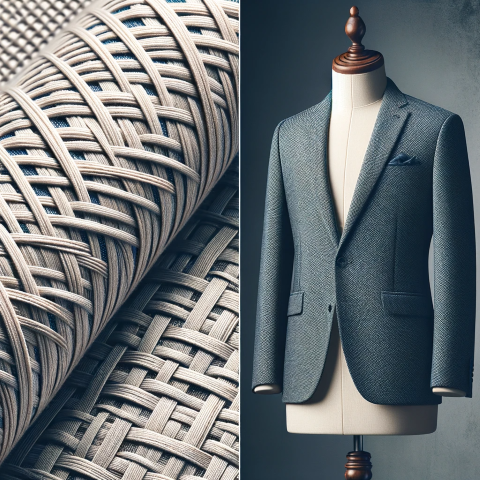
Weight in textiles refers to the heaviness or mass of a fabric, typically measured in ounces per yard or grams per square meter (GSM). Fabric weight is an essential factor in determining a fabric’s performance, drape, durability, and suitability for various applications. Different fabric weights are used for different types of garments, home textiles, and industrial products, making it one of the most important considerations in textile manufacturing and design.

Fabric weight impacts how a fabric feels, its breathability, and its ability to maintain structure. Lightweight fabrics, such as chiffon or tulle, are airy, sheer, and used for garments that require fluid draping, such as evening gowns, blouses, or scarves. On the other hand, heavyweight fabrics like denim, wool, or canvas are much sturdier and are commonly used for outerwear, upholstery, and industrial purposes.

In fashion, weight plays a significant role in determining how a garment looks and feels. For instance, a light fabric like silk may drape beautifully for an elegant dress, while a heavier wool fabric is more appropriate for winter coats due to its warmth and structure. Understanding fabric weight allows designers to select materials that enhance both the functionality and aesthetics of a garment.

The measurement of fabric weight also affects how a fabric is produced and priced. Heavier fabrics often require more raw materials, which can increase production costs. They also tend to be more durable and long-lasting, making them a suitable choice for products that need to withstand wear and tear, such as bags, workwear, or outdoor textiles. Conversely, lightweight fabrics are often more delicate and may require special care to maintain their appearance.

In the home textile industry, weight is crucial in determining the practicality of items such as bedding, curtains, and upholstery. Heavier fabrics provide better insulation and durability, making them ideal for curtains or upholstery, while lighter fabrics are often used for bed linens or decorative throws.

In summary, fabric weight is a critical factor that affects the performance, durability, and appearance of textiles. From light, airy fabrics to heavy-duty materials, weight plays a defining role in the design and function of textiles across various industries.
Author Image

TGA Staff Sub-Editor, TG Academy

TGAcademy Staff Writer

Note: This content is for informational purposes only. Please read our full disclaimer for more details.

Some more terms:

Cuprammonium Fluidity: Improving Fiber Strength and Drape in Fashion and Industrial Textiles

Cuprammonium Fluidity: Improving Fiber Strength and Drape in Fashion and Industrial Textiles

06-Sep-2024 • by Vikram Singh
Textile

Cuprammonium fluidity, also known as the cuprammonium process, is a method of producing high-quality regenerated cellulose fibers. The process involves dissolving cellulose in a cuprammonium solution...

Read about Cuprammonium Fluidity
Honeycomb Patterns: Why Designers Love This Fashion revolution

Honeycomb Patterns: Why Designers Love This Fashion revolution

26-Jun-2024 • by Vikram Singh
Textile

Honeycomb Textile Magic: The Perfect Blend of Warmth and Style Honeycomb is a unique texture in textiles that mimics the hexagonal structure of a beehive. It is created by weaving a fabric in a way...

Read about Honeycomb
Decitex Insights: Mastering Fiber Fineness in Textile Production

Decitex Insights: Mastering Fiber Fineness in Textile Production

12-May-2024 • by Pooja Jain
Textile

Decitex Secrets: How It Defines Textile Strength and Texture In the textile industry, Decitex (dtex) is a unit of measurement used to determine the linear density or fineness of fibers or yarns. It...

Read about Decitex
Elongation in Textiles: Measuring Fabric Stretch and Durability

Elongation in Textiles: Measuring Fabric Stretch and Durability

07-May-2024 • by Meera Nair
Textile

Elongation refers to a fundamental property of textile materials that measures their ability to stretch or lengthen under tension. It is a crucial factor in determining the performance and behavior...

Read about Elongation
Add a definition
Add a definition for a textile term that you know about! Send us an email & tell us:
  • The term you want to define
  • Its definition in 500 words or less
  • Attach an image if necessary.
  • Optionally, tell us about yourself in 200 words or less!

Companies for Weight:
If you manufacture, distribute or otherwise deal in Weight, please fill your company details below so that we can list your company for FREE! Send us the following details:
  • Company name
  • Company address
  • Attach a logo, if necessary.
  • Optionally, tell us about yourself in 200 words or less!

Did you know this fact?
Fashion designer Stella McCartney is the daughter of former Beatle Paul McCartney.
(s) TextileGlossary.com Some rights reserved. • SitemapDisclaimer