Antifungal: Protecting Textiles from Fungal Growth and Damage
Antifungal treatments are crucial in the textile industry for inhibiting or killing fungi that can damage fabrics and compromise their longevity. Textiles exposed to moisture and humidity, such as outdoor fabrics, sportswear, and healthcare textiles, are particularly susceptible to fungal growth, including mold and mildew. Antifungal agents applied to fabrics create a protective barrier that prevents fungi from colonizing the material, ensuring the textiles remain durable, odor-free, and safe for use.
Incorporating antifungal treatments into textiles enhances their lifespan by preventing fiber degradation caused by fungal enzymes. This is especially important for textiles used in environments with high moisture exposure, like marine applications, outdoor furniture, and athletic wear. The treatment also helps maintain the fabric’s aesthetic appeal by preventing discoloration and stains caused by fungal growth.
The antifungal process can be applied during various stages of textile production, including fiber treatment, fabric finishing, or as a post-production coating. These treatments are often combined with other protective finishes, such as water-repellent or antibacterial agents, to offer comprehensive fabric protection. Advances in antifungal technology have led to the development of eco-friendly and non-toxic agents that ensure the treated textiles are safe for human contact while effectively inhibiting fungal growth.
Overall, antifungal treatments play a vital role in maintaining the quality and safety of textiles, especially in applications where moisture and hygiene are concerns. By preventing fungal infestation, these treatments ensure that textiles retain their structural integrity, visual appeal, and functionality over time.
— TGA StaffTGAcademy Staff Writer
Note: This content is for informational purposes only. Please read our full disclaimer for more details.
Faille is a type of woven fabric that is characterized by a slightly ribbed or corded texture. It is traditionally made from silk, but can also be made from other fibers such as cotton, rayon, or...
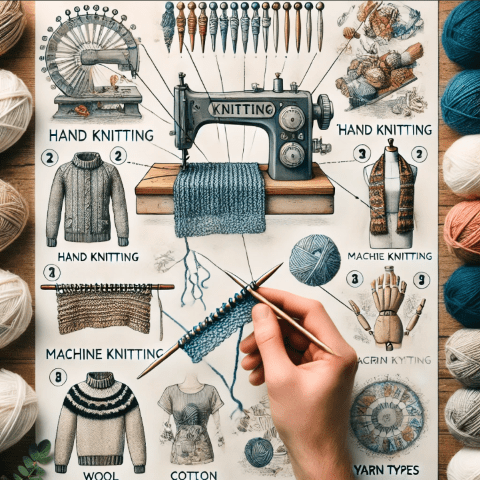
Knitting is a process in which yarn or thread is looped together to create a fabric. It involves interlocking a series of loops through the use of knitting needles or machines to create a piece of...
Surah is a type of fabric that is commonly used in the production of formal and semi-formal clothing. It is a lightweight and lustrous fabric that has a smooth texture and a silky finish. The name...
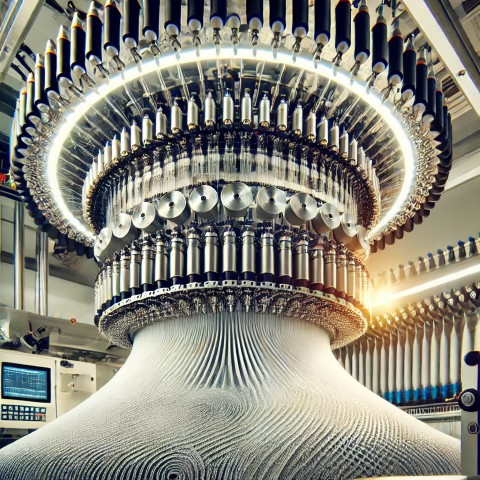
A garment length knitting machine is a specialized type of knitting machine used in the textile industry to produce seamless garments of various lengths. Unlike traditional knitting machines that...

 Share on X